
Last updated November 16, 2026
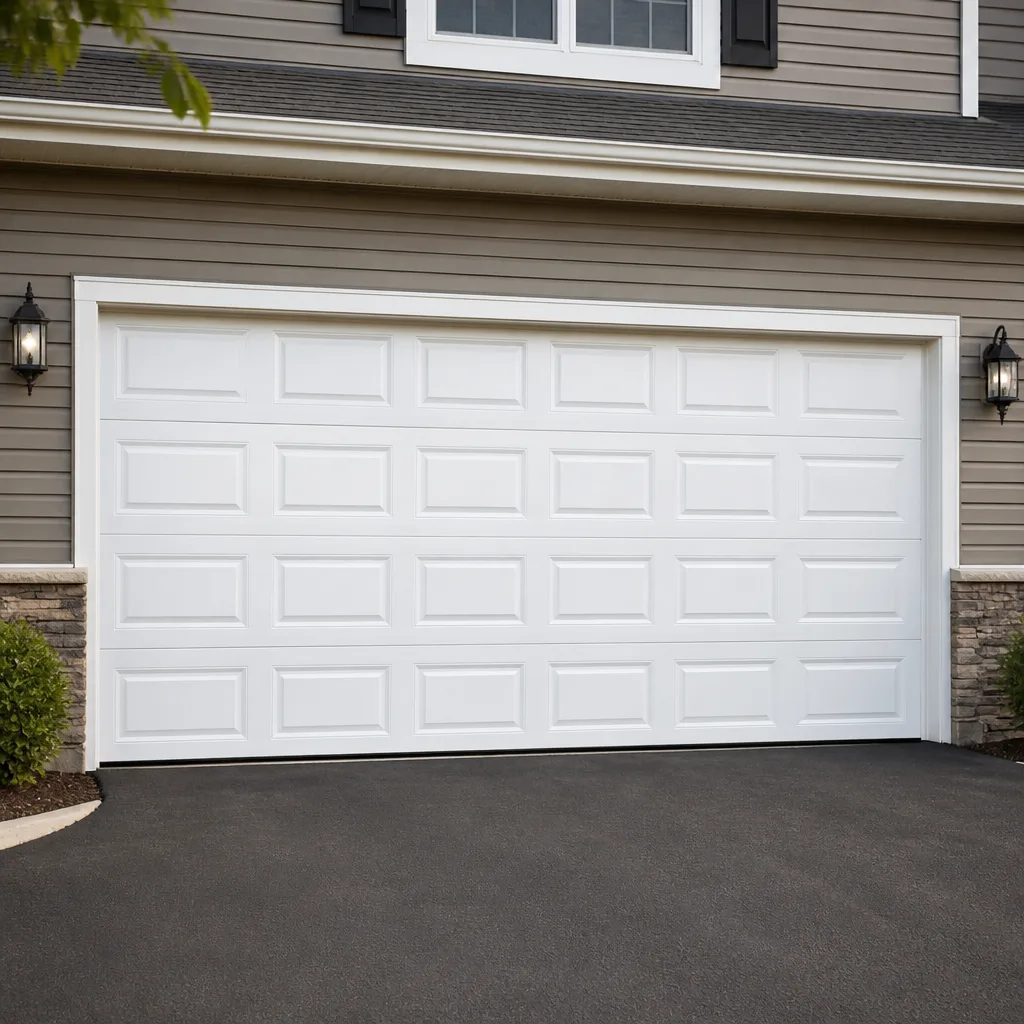 Raised-panel steel
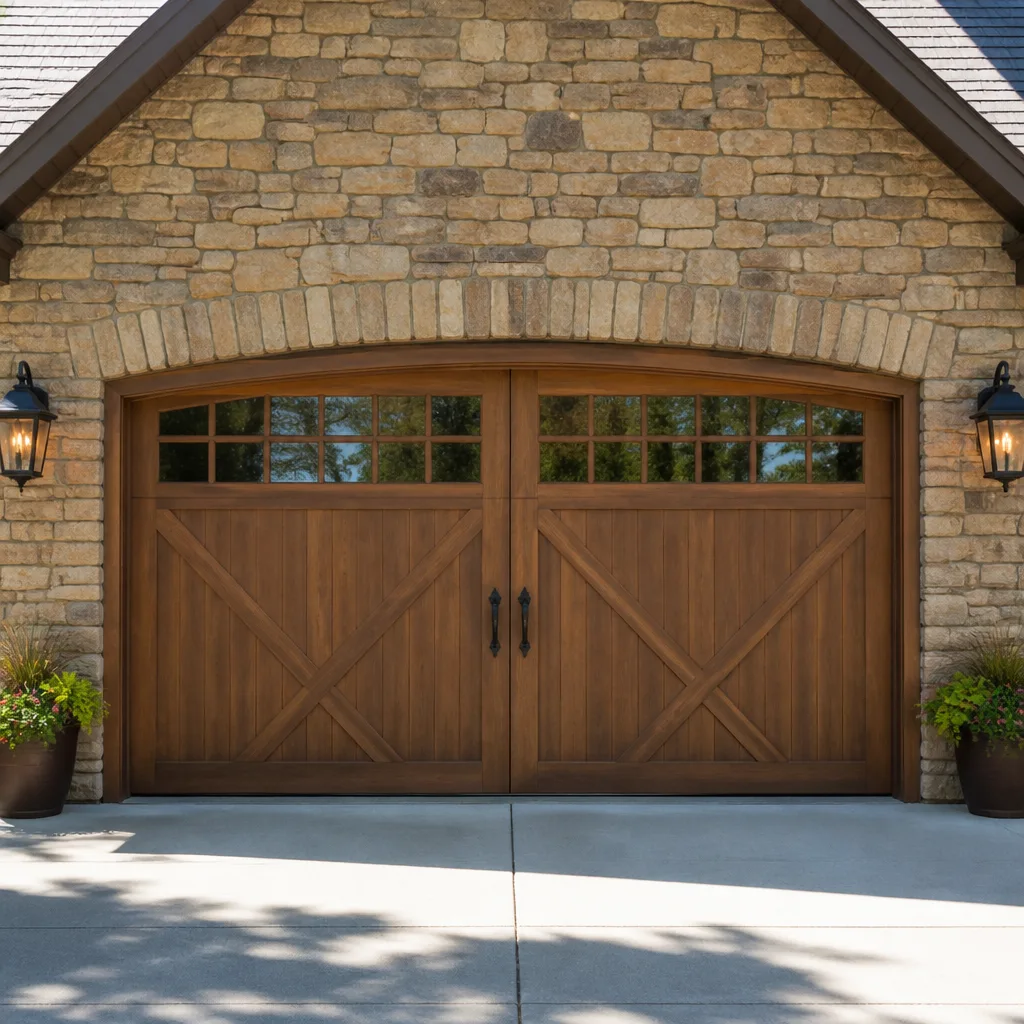 Carriage house
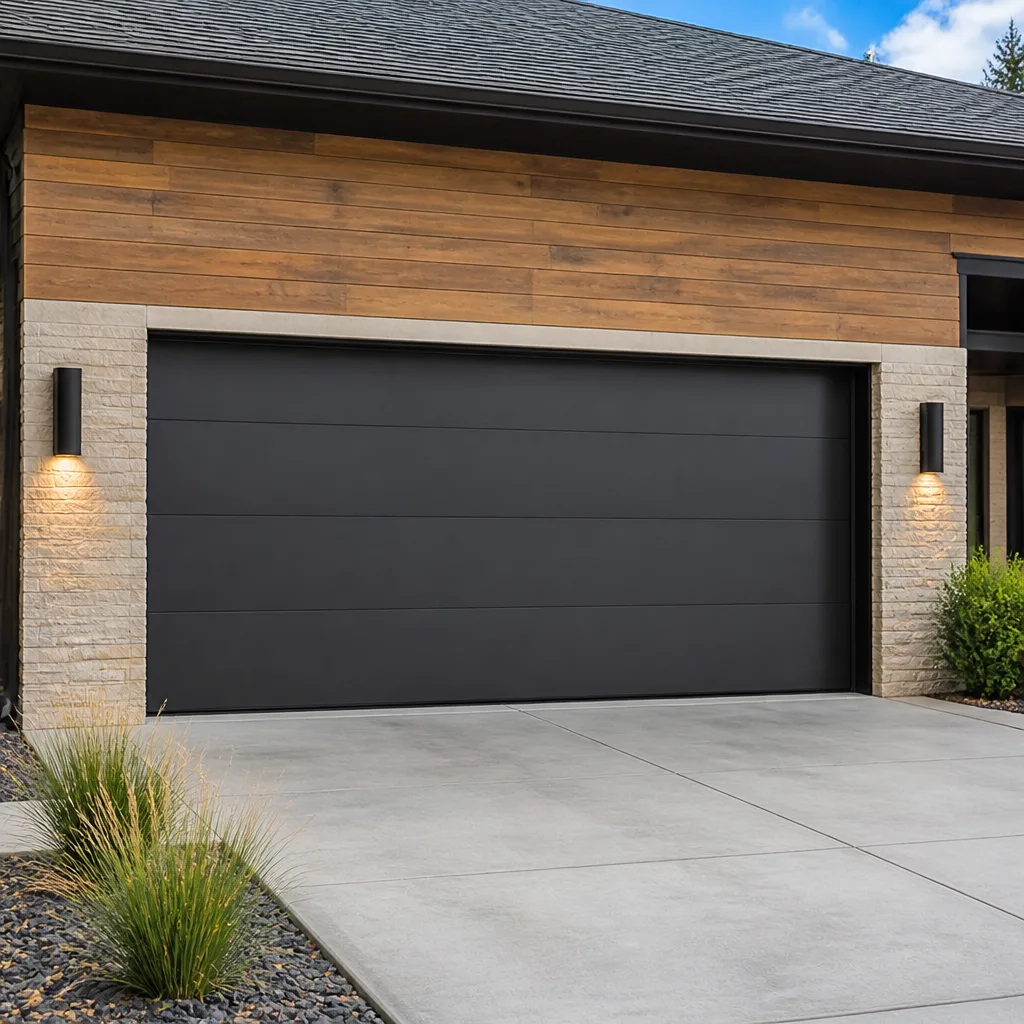 Modern flush
 Full-view glass
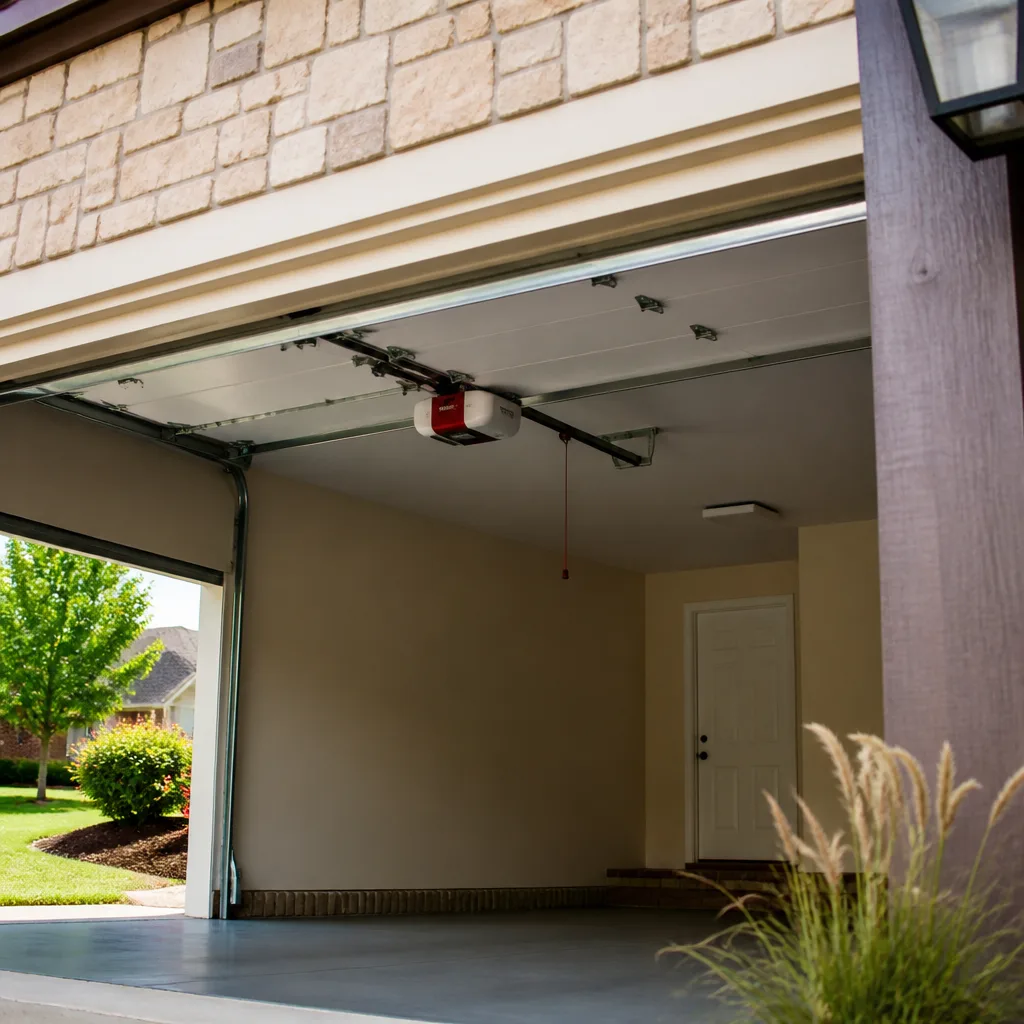 LiftMaster openers
 Chamberlain openers
Full 25-point door and opener safety check with every visit - springs, cables, rollers, tracks, and your LiftMaster or Chamberlain opener included
You get a price before we start. It does not change when the pro arrives.
Get your free estimateGarage Door Repair Maintenance Schedule: What to Do and When
Most maintenance checklists tell you to lubricate your springs twice a year. They don’t tell you that using the wrong lubricant, including WD-40, accelerates wear faster than no lubrication at all. Garage door upkeep isn’t about doing more; it’s about doing the right things at the right intervals, matched to how hard your door actually works and what Huntsville’s weather does to metal and rubber over a year. This guide lays out a real schedule you can follow, explains which products belong on which parts, and is honest about the jobs you shouldn’t attempt yourself.
Quick Answer
A garage door needs a light monthly visual check, lubrication two to four times a year depending on daily use, a balance and safety-reverse test every few months, and a full professional tune-up once a year. In Huntsville, the two inspections that matter most fall in late October and early March, timed to the local freeze-thaw and humidity swings.
Styles & brands we work with
- Raised-panel steel
- Carriage house
- Modern flush
- Full-view glass
- LiftMaster openers
- Chamberlain openers
Table of Contents
- Why a Garage Door Needs a Schedule
- Matching Your Schedule to Daily Use
- Huntsville Timing: The Two Critical Windows
- The Right Lubricant for Each Component
- The Visual Inspection Sequence
- What a Professional Tune-Up Covers
- Opener and Drivetrain Care
- The Full Seasonal Checklist
Why a Garage Door Needs a Schedule
A garage door is the largest moving object in most homes. It opens and closes on a set of springs, cables, rollers, and hinges that all wear at different rates. Left alone, that wear compounds quietly until something fails. A schedule spreads the attention out so small issues get caught while they’re still cheap to correct.
The reason a schedule beats “fix it when it breaks” comes down to how the parts interact. A dry hinge wears faster, which puts more load on the roller, which stresses the track. One neglected component nudges the next one toward failure. Regular upkeep interrupts that chain before it starts.
There’s also the safety side. A door that’s out of balance or whose safety reverse has stopped working is a genuine hazard, especially in a household with kids or pets. Testing those functions is part of any sensible schedule, not an optional extra.
In our experience, the homeowners who stay ahead of maintenance are the ones who never face a door stuck open in bad weather. They’re also the ones who get the longest life out of their springs and opener. For a closer look at what repair work involves when something does go wrong, our garage door repair page covers the common failures and how they’re handled. The point of a schedule is to need that page less often.
Matching Your Schedule to Daily Use
Manufacturers publish generic intervals, but the real driver is cycles: how many times your door goes up and down each day. A household that uses the door four or more times daily puts roughly twice the wear on the system as one that uses it twice. That difference should change how often you lubricate and inspect.
Think about your routine honestly. A family where everyone drives, plus deliveries and yard work, easily hits six cycles a day. A retired couple who mostly use the front door might run two or three. Same door, very different maintenance needs.
Here’s how to translate that into intervals:
- Light use (1-2 cycles daily): lubricate twice a year, run a full visual inspection quarterly, and book an annual professional tune-up.
- Moderate use (3-4 cycles daily): lubricate three times a year, inspect every other month, and keep the annual tune-up.
- Heavy use (5+ cycles daily): lubricate every quarter, inspect monthly, and consider a professional check twice a year.
Those numbers assume a door in reasonable condition. If your door is older, or you’ve noticed it getting louder or slower, tighten the intervals until a technician has looked at it. Small noises are the early signal; they’re much easier to address than a snapped spring.
It also helps to know your door’s brand and model, since some systems have quirks worth noting. We work on Genie, Clopay, Amarr, Wayne Dalton, and the other major lines, so we can tell you what’s normal for your specific system.
Huntsville Timing: The Two Critical Windows
Huntsville’s climate asks more of a garage door than a mild coastal or desert market would. Summers bring heavy humidity that works on metal and rubber. Winters bring freeze-thaw cycles that expand and contract the whole assembly. The two inspection windows that catch the most problems sit right before each of those shifts.
Late October is the first window. Before the first hard freeze, you want every seal, hinge, and moving part checked. Cold makes rubber stiff and brittle, so a weather seal that’s already cracking will fail fast once temperatures drop. Lubricant applied in October carries the door through the dry, cold stretch when everything tightens up. A technician can also confirm the door is balanced, since an unbalanced door strains the opener all winter.
Early March is the second. After months of freeze-thaw, fasteners can loosen and tracks can shift slightly. Spring humidity is about to arrive, and damp air is what turns a small rust spot on a track or a hinge into a bigger problem. A March inspection catches winter’s loosening and preps the door for the wet season. It’s also the smart time to check that your weather seal still meets the floor evenly, since a gap here lets in both water and pests.
Why these two dates specifically? Because they sit on either side of the two conditions that do the most wear in Huntsville: the humid summer and the freezing winter. Inspecting just before each one means your door faces the hard season already in good shape. If you’d rather have someone go through it with you, we can schedule a free estimate and walk the door with you. Our team serving Huntsville sees these seasonal patterns clearly, and the checklist doesn’t change much from one neighborhood to the next.
The Right Lubricant for Each Component
Here’s the part most checklists skip. Not every part of a garage door wants the same product, and some lubricants actively cause harm. Using the wrong one can attract grit, gum up moving parts, or wash away the protection you were trying to add.
WD-40 is the classic mistake. It’s a solvent and light penetrant, not a lasting lubricant for a garage door. Sprayed on springs or rollers, it can strip the existing grease and leave metal exposed. It may quiet a squeak for a day, then the part wears faster because it’s now running dry. Keep WD-40 for loosening a rusted bolt, not for routine door care.
What each component actually needs:
- Springs: a dedicated garage door spring lubricant or a lithium-based grease that stays put. Never use a thin spray that runs off.
- Rollers: a light silicone spray or a proper roller lubricant. Nylon rollers need very little; steel rollers on bearings want a few drops worked in.
- Hinges: a lithium grease or silicone lubricant on the pivot points. A few drops per hinge is plenty; more just collects dust.
- Tracks: no lubricant. Tracks are meant to stay clean and dry. Wipe them down and leave them bare so the rollers can travel freely.
That last point surprises people. Tracks don’t need oil; oil on a track mixes with dust into a paste that drags on the rollers. Clean and dry is correct. For everything else, apply sparingly. Excess lubricant grabs dirt, and dirty lubricant is nearly as bad as none.
One more caution: the springs and cables are under extreme tension. Lubricating them is fine, but anything that involves adjusting, releasing, or working around that tension belongs to a trained technician. We’ll say more about that below.
The Visual Inspection Sequence
A short, ordered walk-around catches most developing problems before they become failures. Do it in the same order every time so nothing gets skipped. This is a look-and-listen inspection, not a repair session. If you spot something that needs fixing, note it and stop there.
Follow this sequence:
- Look at the door from outside first. Check that panels are straight and the door sits square in the opening. A door that’s visibly out of line usually has a balance or track problem.
- Check the weather seal along the bottom. Look for cracks, gaps, or a seal that’s pulled away. This is the first thing Huntsville humidity and cold both attack.
- Inspect the hinges and rollers with the door closed. Look for loose screws, worn roller wheels, and any rust. Wobble a roller gently; it shouldn’t rattle.
- Look up at the springs. Check the springs for visible gaps or a stretched, uneven look. Do not touch them. Note the condition and move on.
- Run your eyes along the cables. They should be taut and free of fraying. Frayed cables are a call-a-professional item, not a tighten-it-yourself one.
- Wipe a track with a dry cloth and watch the door travel. Open and close the door and listen. It should move smoothly and quietly. Grinding, popping, or a lurch means something needs attention.
- Test the safety reverse. With the door closing, pass an object through the beam (or use the pressure test if your opener supports it). The door should reverse. If it doesn’t, stop using the door until it’s fixed.
That sequence takes a few minutes and covers the parts most likely to fail. Doing it in the same order builds a mental baseline, so you notice when something changes. A door that’s always been quiet that suddenly isn’t has told you something.
What a Professional Tune-Up Covers
An honest maintenance schedule admits its limits. Some jobs are simply not safe or practical for a homeowner, and a professional tune-up exists to handle exactly those. Knowing what’s covered helps you decide when to call.
During a typical professional tune-up, a technician will:
- Check and adjust spring tension and balance. Springs are under extreme tension, and adjusting them without the right tools and knowledge can cause serious injury. This is the core reason to book a pro.
- Inspect cables and drums for wear. Cables can snap under load; a trained eye catches fraying before that happens.
- Align and tighten the track. A slightly bent track sends the door off its path. Straightening and re-securing it takes the right tools and a careful hand.
- Adjust the opener’s force and travel limits. These settings control how hard the opener pushes and how far the door travels. Set wrong, they defeat the safety reverse.
- Lubricate with the right products and confirm the door is running at proper tension and speed.
The balance and spring work is the part you can’t safely replicate. A door that’s off balance puts extra load on the opener, which shortens its life, but correcting that balance means working around live spring tension. We handle that work on every major brand, including opener-specific diagnostics if the motor is the problem. Our garage door opener repair service treats an opener as something to diagnose, not just a symptom to mask. If your opener is straining to lift a heavy door, the fix may be the door’s balance, not the motor.
A tune-up also tells you whether repair or replacement makes more sense. Sometimes a few adjustments restore a door for years; sometimes the honest answer is that the hardware is at the end of its life. We’ll tell you which one actually makes sense rather than pushing the bigger job.
Opener and Drivetrain Care
The opener is the part homeowners think about least until it stops. It’s also the part where ongoing care pays off, because a well-adjusted opener lasts longer and fails less often. Genie and LiftMaster units, among others, benefit from the same basic attention.
Start with the basics. Keep the opener’s housing clear of dust and debris, and confirm the safety sensors are aligned and clean. A sensor knocked slightly out of line is one of the most common “my door won’t close” calls we get. Wipe the sensor lenses, check the indicator lights, and make sure nothing is blocking the beam.
Next, listen to the opener’s motor. A smooth hum is normal. Grinding, clicking, or a motor that strains and gives up suggests a problem with the drive system or the door’s balance. If your door is a Chamberlain or Craftsman model with a chain or belt drive, the belt or chain tension should be checked periodically; a loose one adds wear.
Also test the opener’s force settings every few months alongside the safety reverse. If the door struggles to close and the opener reverses on its own, the force setting may be too low or the door may be binding. Don’t just raise the force to force it through; find out why the door is binding.
When an opener needs repair, the right approach is a real diagnosis rather than swapping parts until it works. That’s how we treat every opener call, and it’s why brand compatibility matters. If you’re unsure which opener you have, check the label on the motor housing. Knowing the brand and model up front saves everyone time.
The Full Seasonal Checklist
Putting the schedule into one place helps. Here’s the whole year at a glance, adjusted for Huntsville’s climate and your door’s daily use. Treat it as a starting point and tighten the intervals if your door sees heavy traffic.
Monthly:
- Visual walk-around following the inspection sequence above.
- Test the safety reverse function.
- Wipe the tracks clean and dry.
- Listen for new noises during opening and closing.
Every two to three months:
- Lubricate hinges and rollers sparingly with the right products.
- Check the weather seal for cracks and gaps.
- Confirm the opener’s sensors are aligned and the lenses are clean.
Twice a year:
- Lubricate springs with a proper spring lubricant.
- Check all fasteners and tighten anything loose.
- Run the full inspection sequence with extra attention.
Late October and early March (the two Huntsville windows):
- Book a professional tune-up before the cold stretch and again before the humid season.
- Have balance, spring tension, and cables checked.
- Replace a worn weather seal if it’s failing.
For heavy-use households, add an extra quarterly lubrication and a second professional visit in the year. For light-use doors, the annual tune-up plus two inspections keeps things on track. The goal is a rhythm you’ll actually keep, not a list so long you abandon it.
Common Mistakes to Avoid
- Lubricating everything with WD-40. It may quiet a squeak briefly, but it strips the real grease and leaves parts running dry. Use the right product for each component and skip it for tracks entirely.
- Oiling the tracks. Tracks should stay clean and dry. Oil attracts dust into a paste that drags on the rollers, so it makes the door work harder, not easier.
- Trying to adjust or loosen the springs yourself. Springs and cables are under extreme tension. This is the one job you should always leave to a trained technician, no exceptions.
- Ignoring a door that’s getting louder. New noises are the earliest warning of a developing problem. Waiting until the door stops moving turns a small adjustment into a bigger repair.
- Skipping the seasonal timing. A single annual check is less effective than inspections timed to Huntsville’s freeze-thaw and humidity swings. Late October and early March are the windows that catch the most.
- Raising the opener’s force setting to push a binding door. If the door is binding, forcing it through the obstruction wears the opener and can defeat the safety reverse. Fix the cause, not the symptom.
- Letting a worn weather seal stay in place. A cracked or gapped seal lets in water and pests and lets conditioned air escape. Replacing it is a small job that protects the whole door.
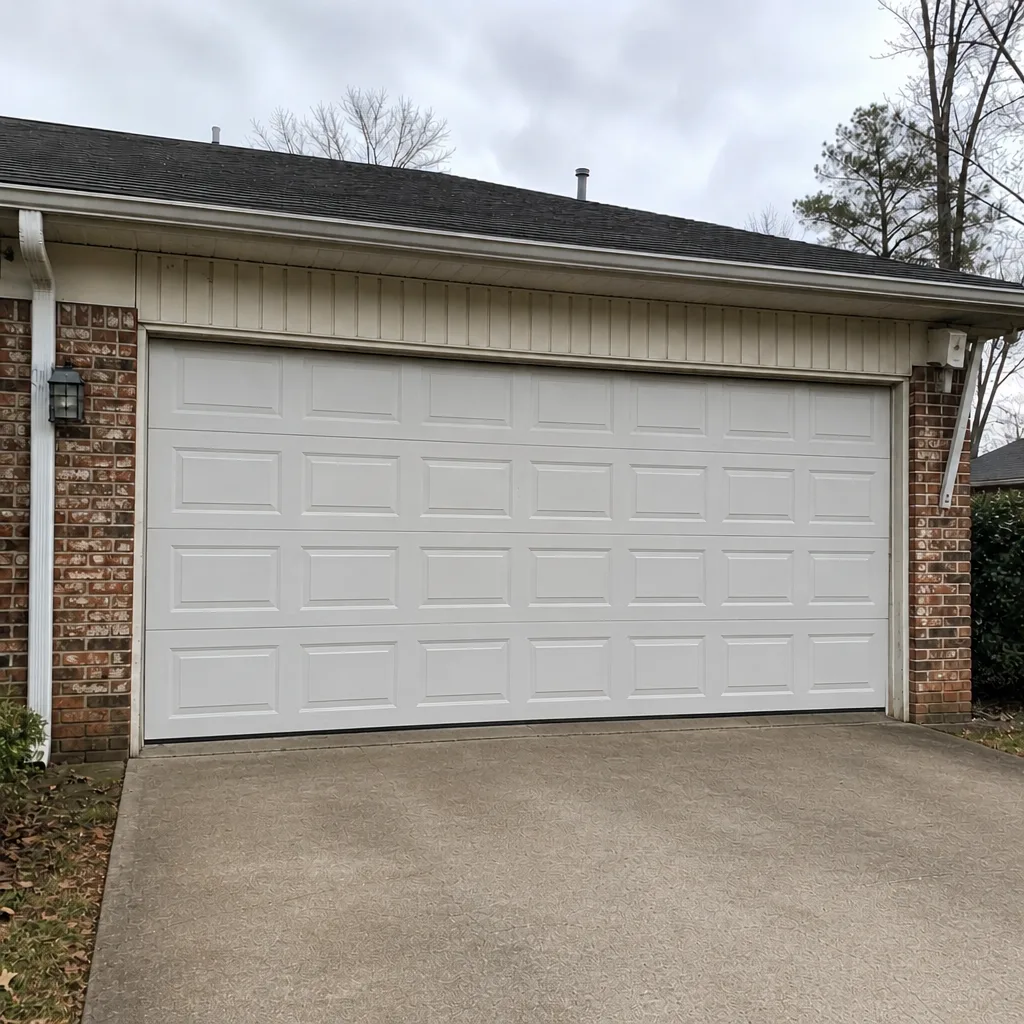
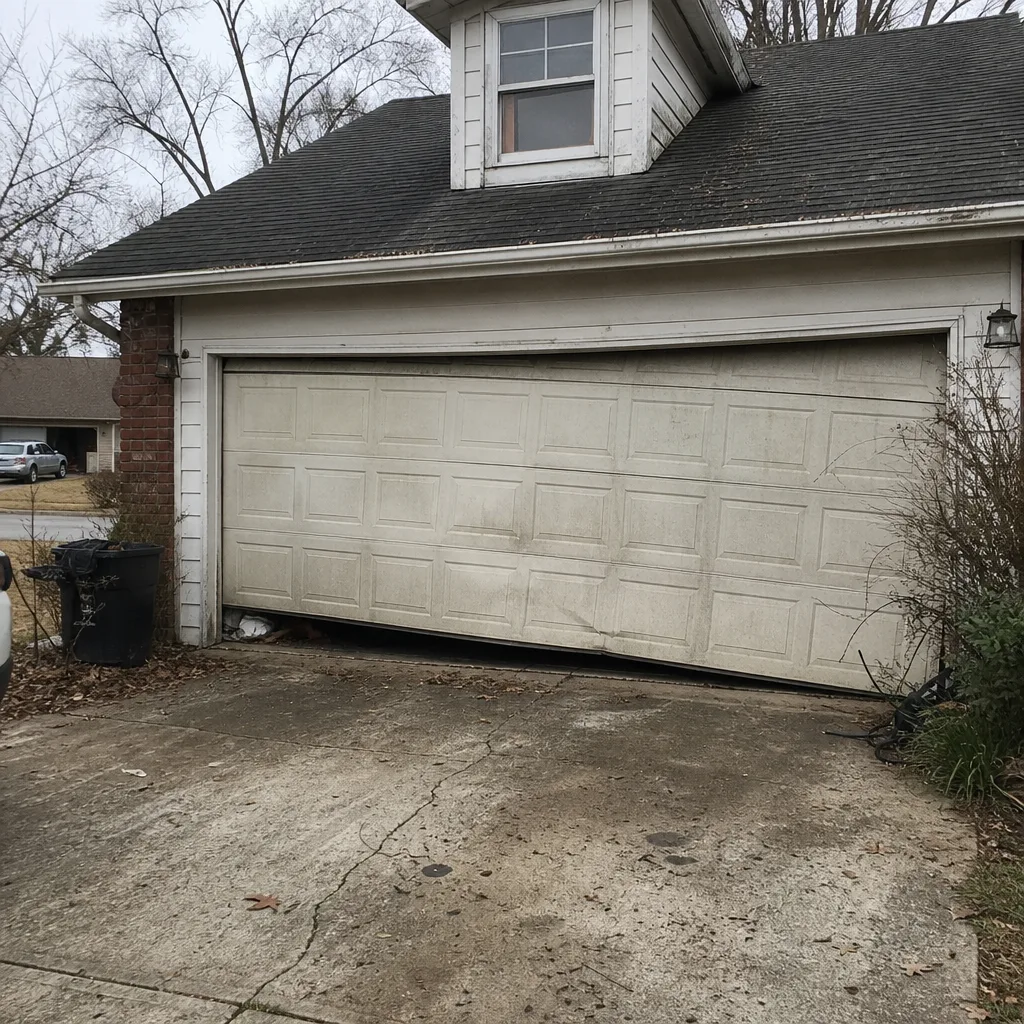
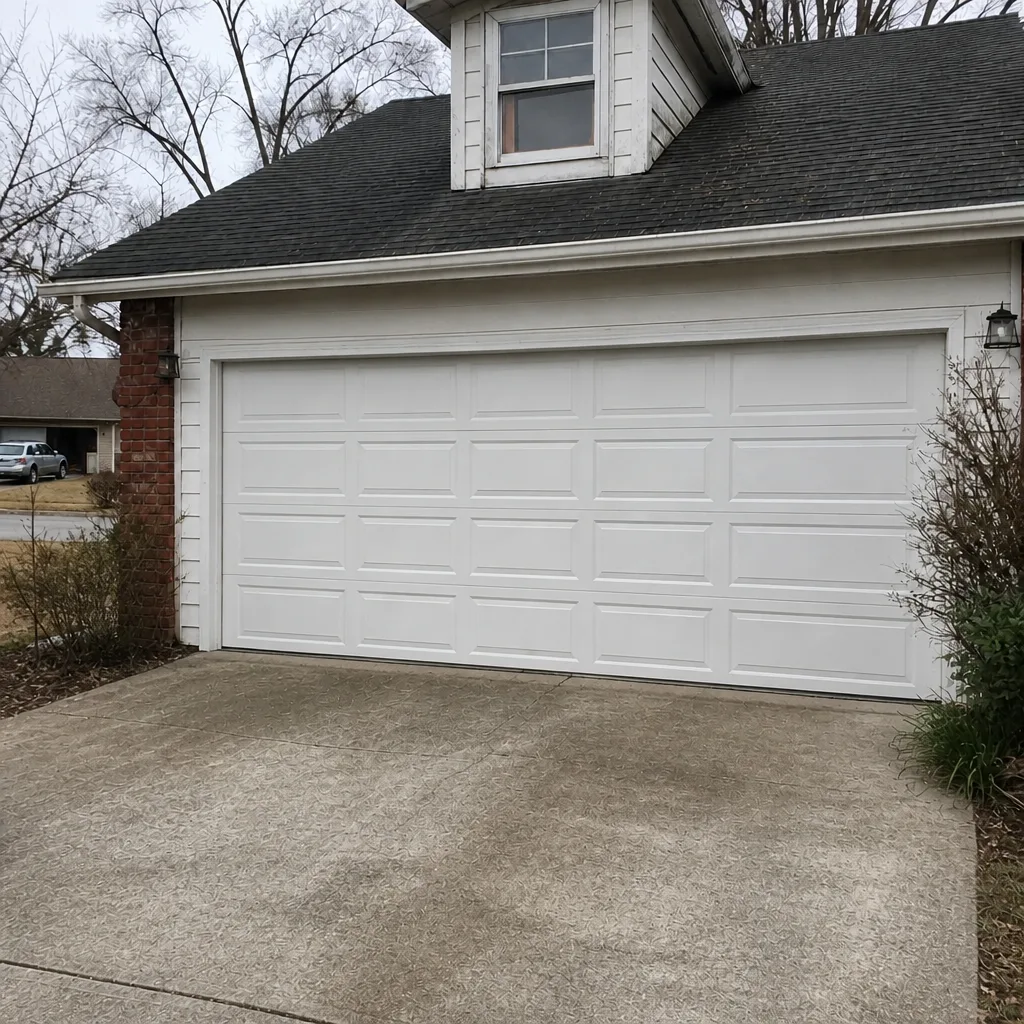
See the difference
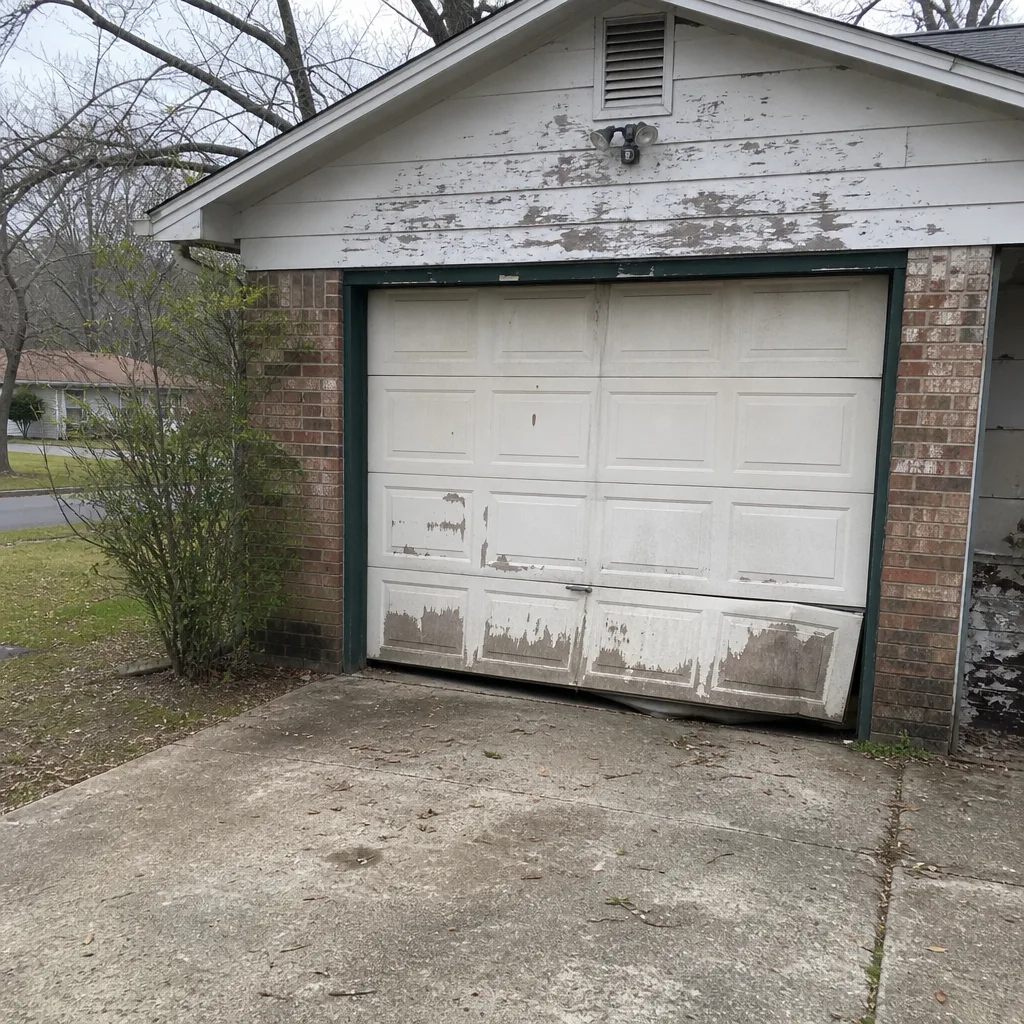 Before
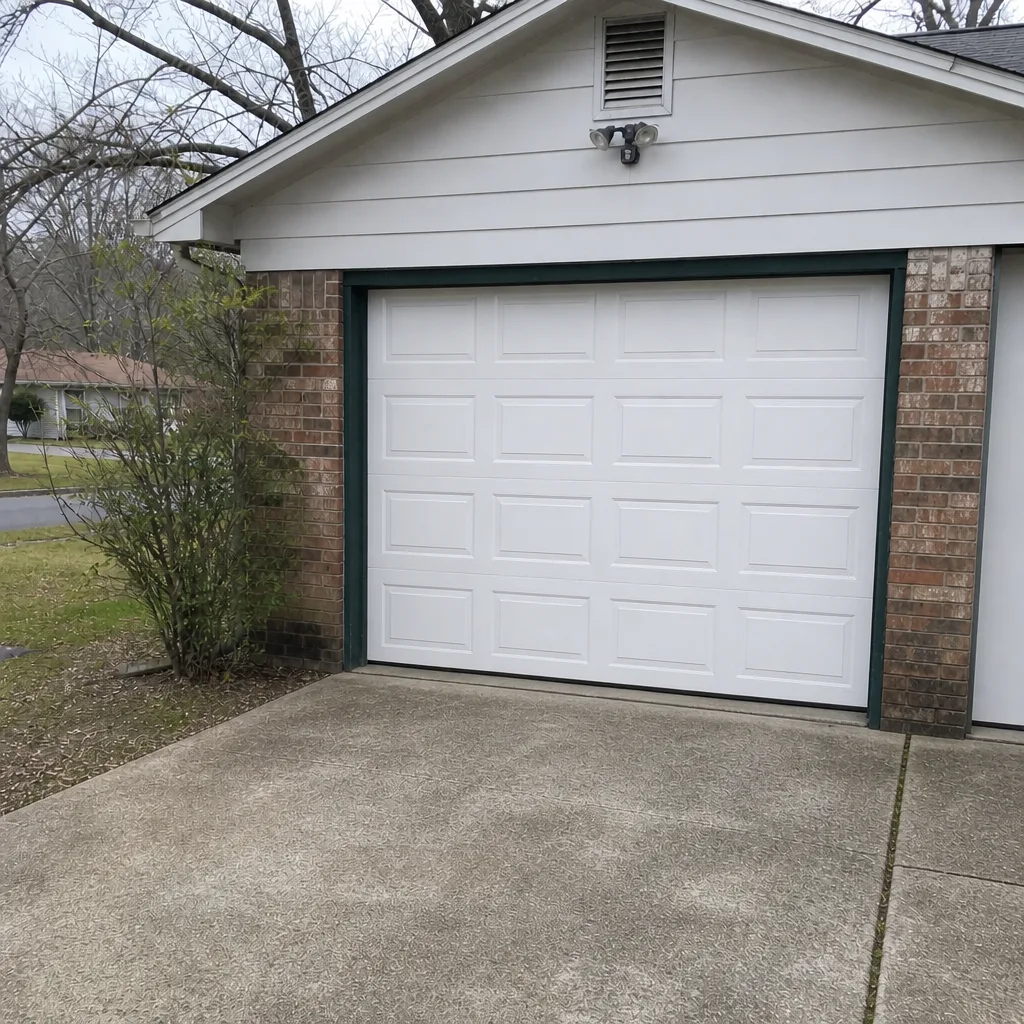 After
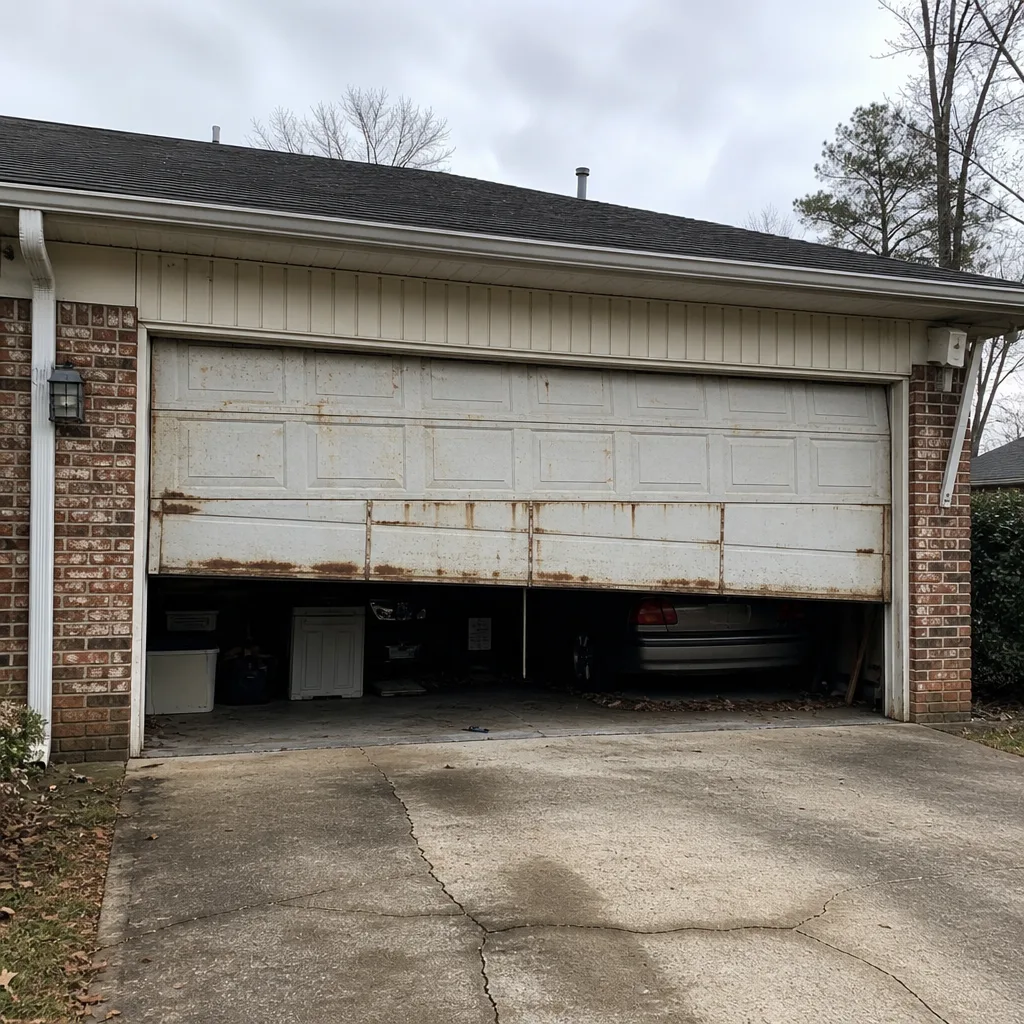 Before
 After
 Before
 After
When to Call a Professional
Some problems are safe to note and watch. Others should prompt a call before the door is used again. Call a professional if the door is visibly off balance, if you see gaps in the springs, if a cable is frayed or loose, if the door won’t reverse when tested, or if the opener strains or reverses on its own. Those all involve safety systems or parts under high tension.
It’s also time to call if you’ve tightened the schedule and the door is still getting louder or slower, or if a repair is beyond what routine maintenance covers. A technician can tell you whether a fix or a replacement is the smarter move. Hawthorne Garage Door Repair offers free estimates in Huntsville – call (855) 632-2899. We answer 24/7. Fast dispatch from 7am to 7pm, Sunday through Friday.
If you’re not sure whether your door needs a repair or is ready for full replacement, our Hawthorne Garage Door Repair team can walk you through both paths. Either way, the price is quoted and agreed before any work starts, so there are no surprises.
Frequently Asked Questions
Twice a year is the baseline for light use, moving to three or four times a year if your door cycles four or more times daily. In Huntsville, the two best moments are late October before the cold and early March before the humid season. Call (855) 632-2899 for an exact quote if you’d like a professional to handle the lubricant and check the moving parts – estimates are free.
A routine check is a visual walk-around you can do yourself, covering the seal, hinges, rollers, tracks, and safety reverse. A professional tune-up covers the parts you can’t safely handle, chiefly spring tension, balance, and cable inspection. Call (855) 632-2899 to book a tune-up with the team at Hawthorne Garage Door Repair.
Yes. WD-40 is a solvent and light penetrant, not a lasting lubricant, and it can strip the grease that protects springs and rollers. Use a dedicated spring lubricant or a lithium-based grease instead. If your springs already look worn, call (855) 632-2899 and have a technician check them rather than treating the symptom.
No. Tracks should be kept clean and dry, never oiled. Lubricant on a track collects dust into a paste that drags on the rollers and makes the door work harder. Wipe them with a dry cloth and leave them bare. Call (855) 632-2899 if the door feels rough or jumps while it travels – that points to a track or balance issue worth a look.
They bracket Huntsville’s two most demanding seasons for a garage door: the humid summer and the freezing winter. An October check preps the door for cold and freeze-thaw, and a March check catches winter’s loosening before the humid season. Call (855) 632-2899 to schedule yours – we can work around your week and keep the visit simple.
You can handle the safe parts, which are the visual inspections, lubrication, cleaning, and safety-reverse testing. Spring tension, balance adjustment, and cable work are jobs for a trained technician because those parts are under extreme tension. Call (855) 632-2899 for the parts you shouldn’t attempt, and we’ll take it from there.
The Bottom Line
A garage door doesn’t need constant attention; it needs the right attention on the right schedule. Match your intervals to daily cycles, use the correct lubricant for each part, keep the tracks clean and dry, and time your two biggest inspections to Huntsville’s late October and early March windows. Do the safe checks yourself, and hand the spring, balance, and cable work to a technician. That rhythm keeps the door quiet, the opener healthy, and the biggest maintenance problems from ever forming. If you’d like a professional to set the baseline, call (855) 632-2899 for a free estimate. We answer 24/7, and fast dispatch runs 7am to 7pm, Sunday through Friday.
Written by the team at Hawthorne Garage Door Repair.