
Last updated November 16, 2026
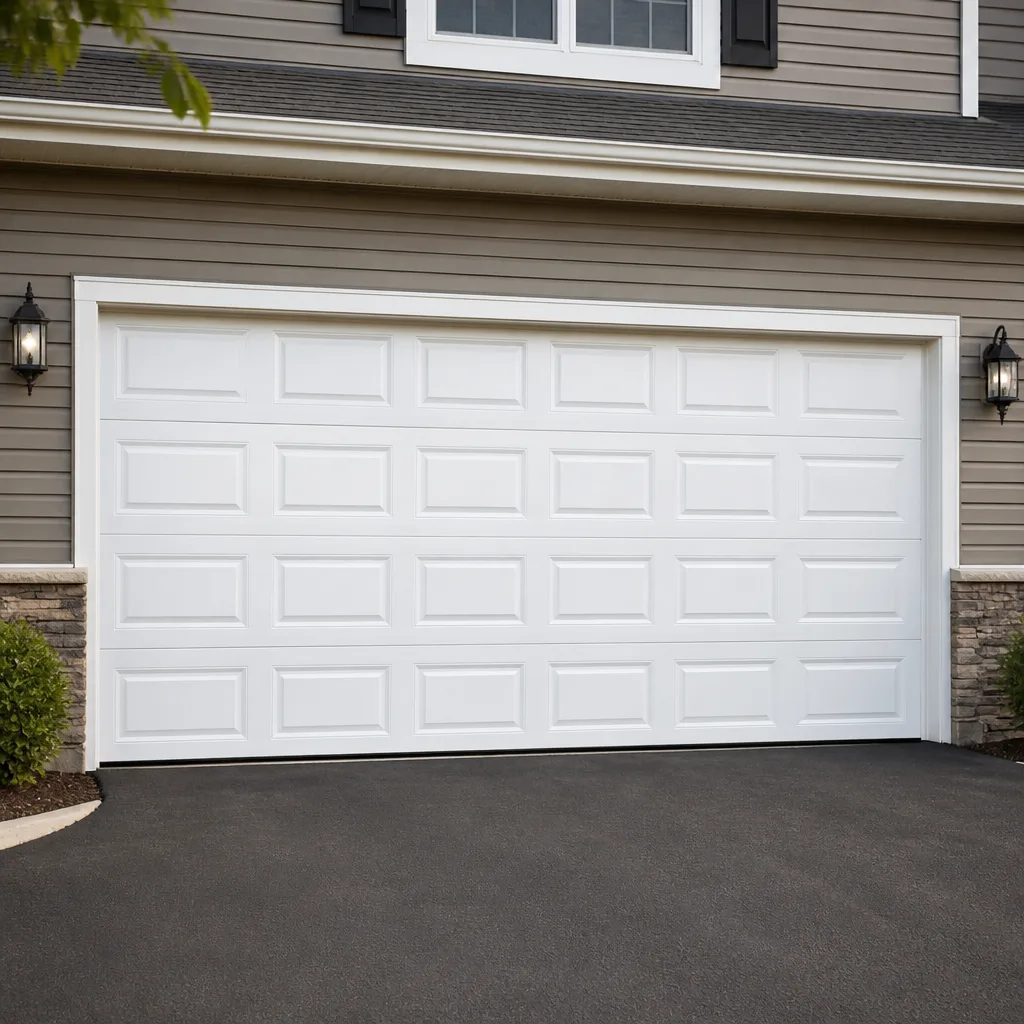 Raised-panel steel
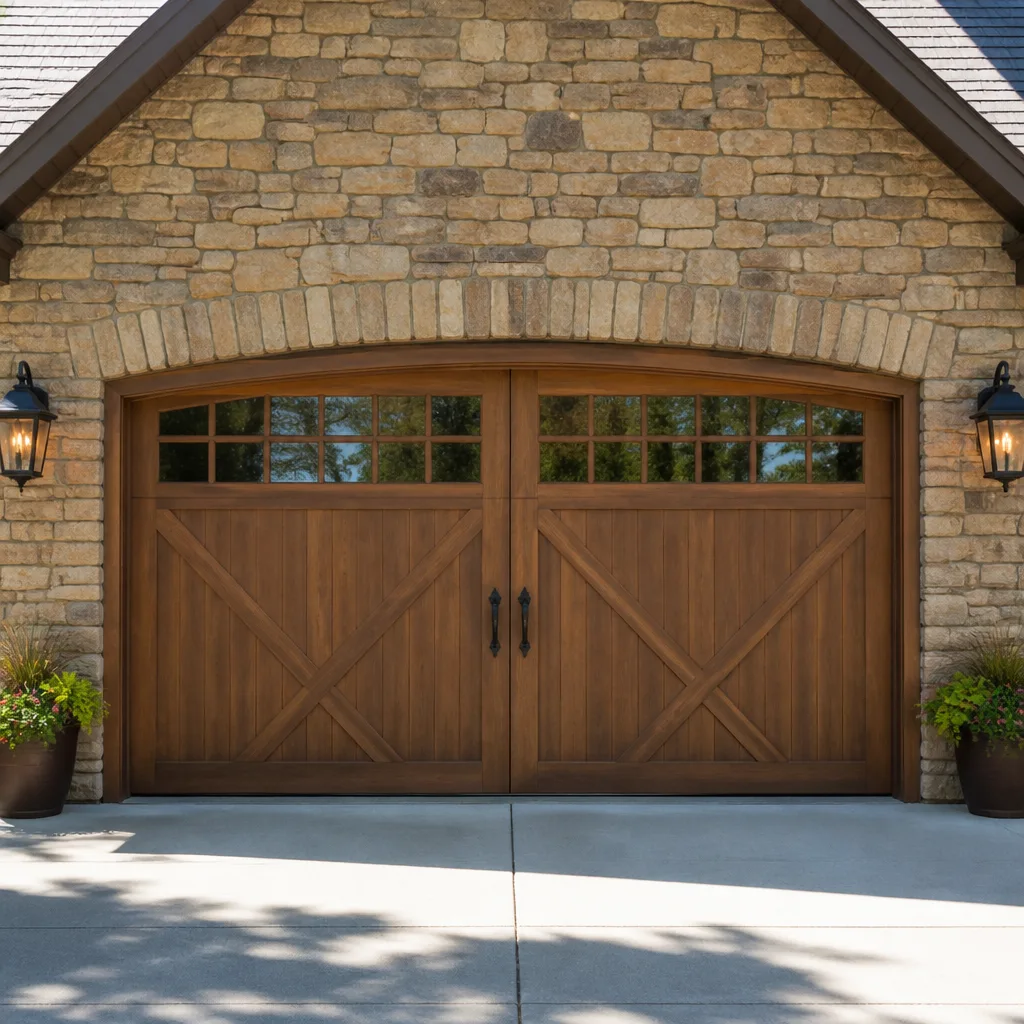 Carriage house
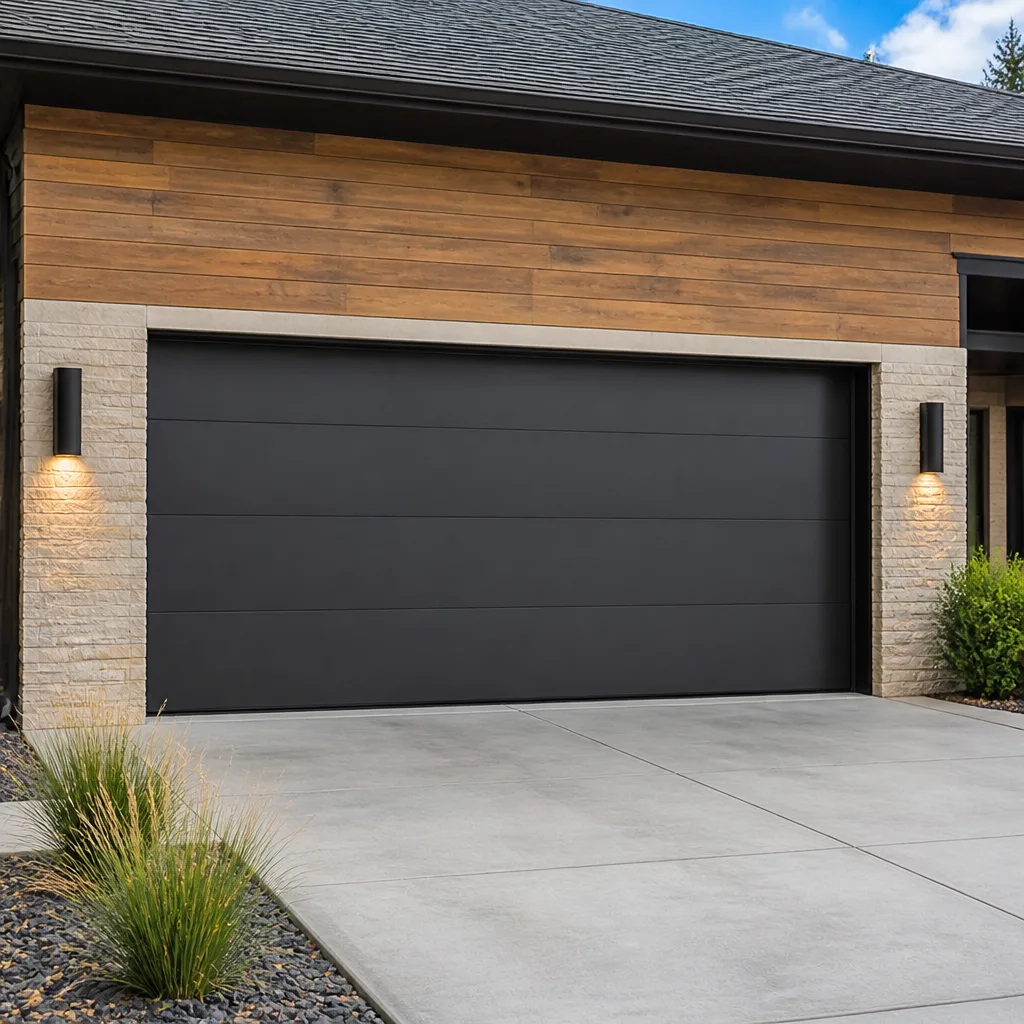 Modern flush
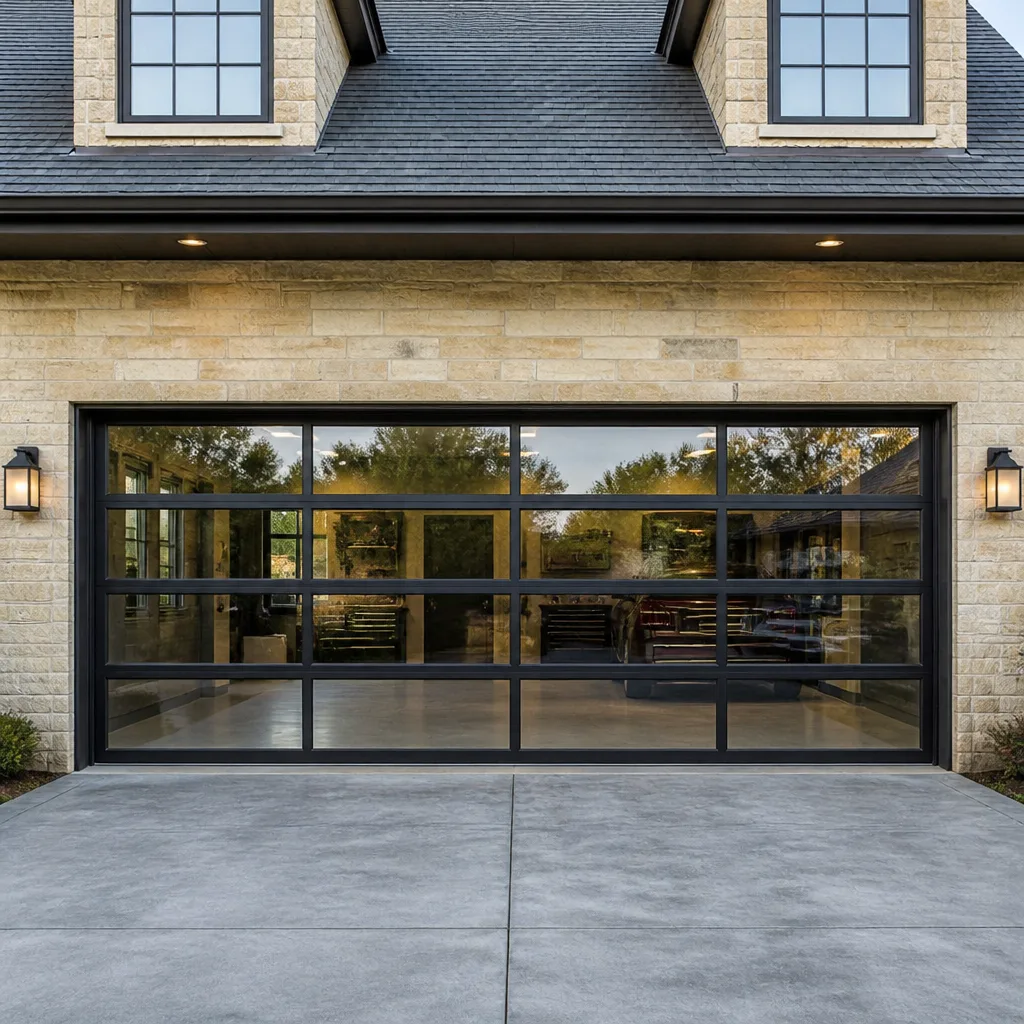 Full-view glass
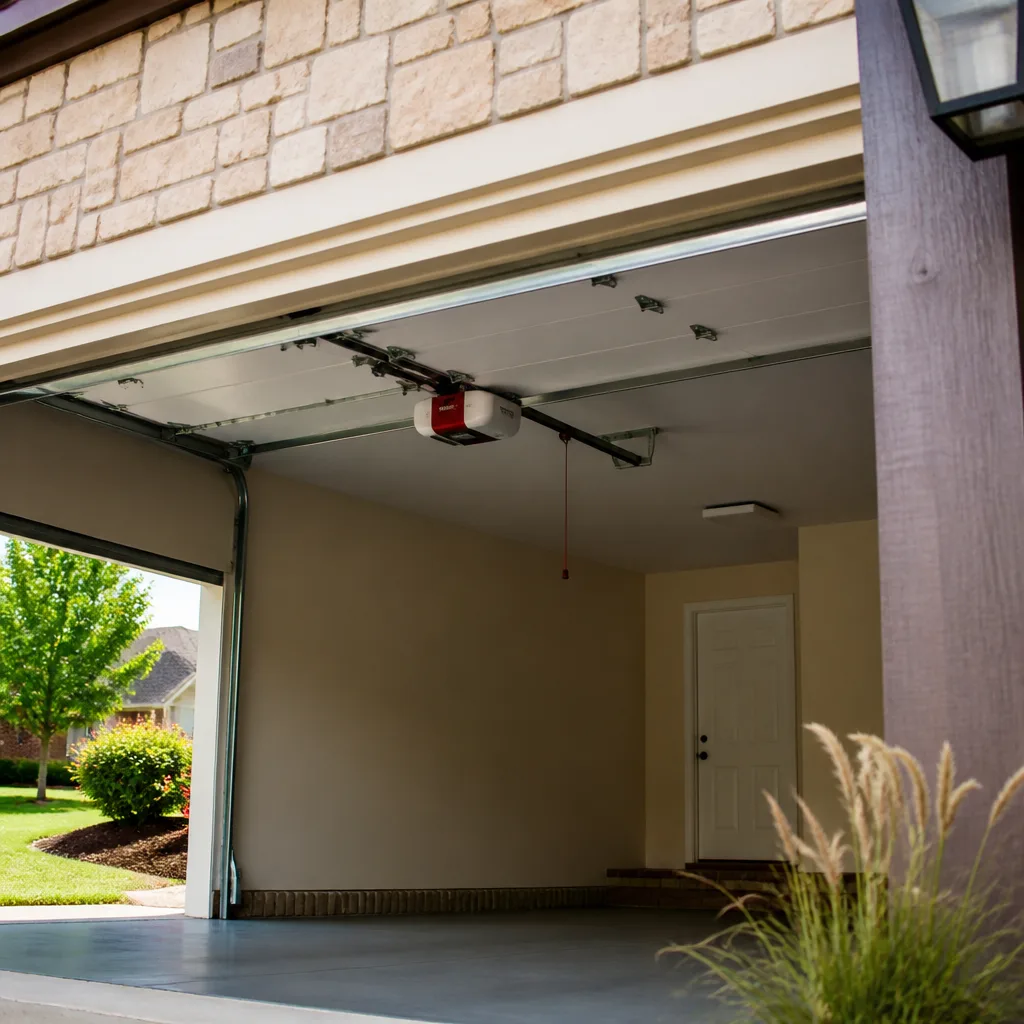 LiftMaster openers
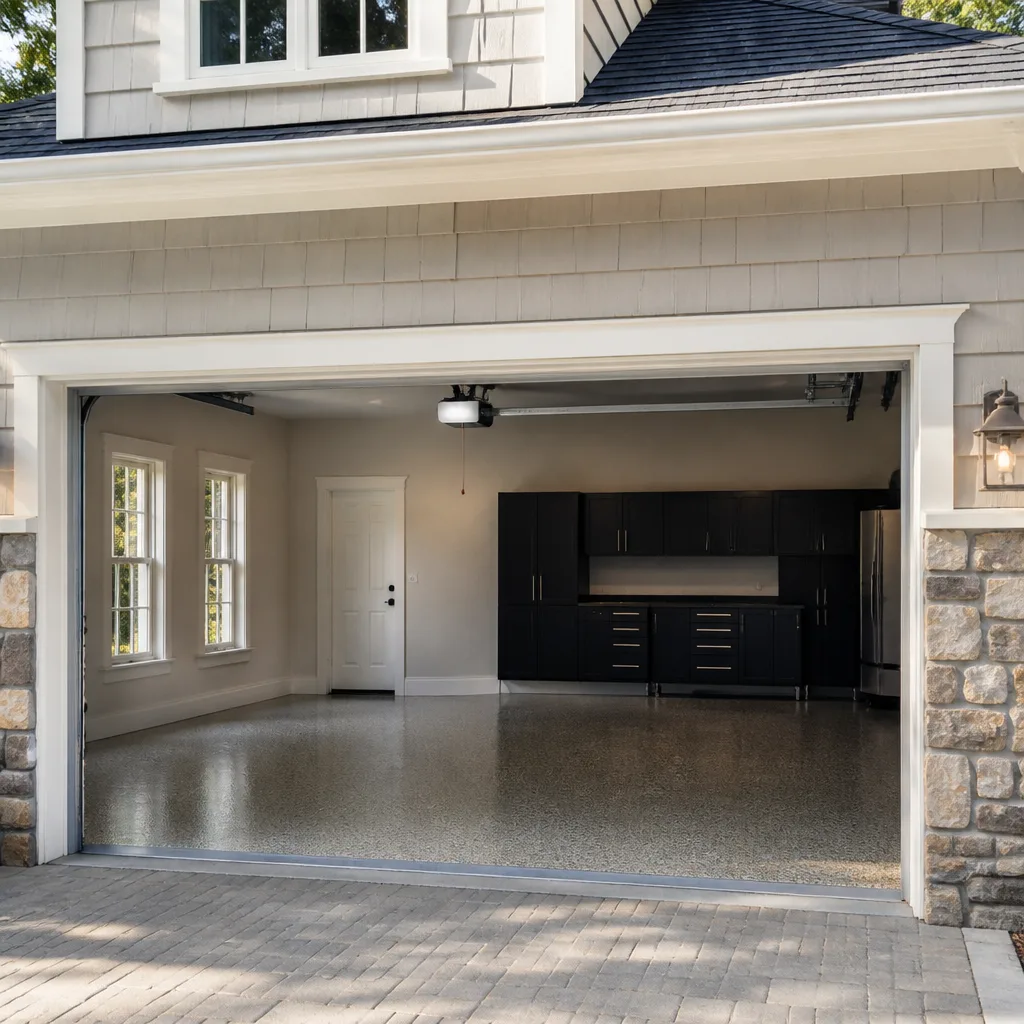 Chamberlain openers
Full 25-point door and opener safety check with every visit - springs, cables, rollers, tracks, and your LiftMaster or Chamberlain opener included
You get a price before we start. It does not change when the pro arrives.
Get your free estimateGarage Door Repair Troubleshooting in Huntsville: Common Problems and How to Fix Them
The door that “just stopped working” overnight almost never failed overnight. The warning signs were there for weeks, hidden in sounds and speed changes most homeowners didn’t know to interpret. A door that starts reversing before it closes, or one that drifts to the left as it rises, is telling you exactly which part is wearing out. Learning to read those signals changes everything about the repair bill. In this guide, we map the symptoms behind the most common garage door failures in Huntsville to the mechanical parts at fault, walk through what you can safely check yourself, and draw a clear line at the three situations where stopping and calling a technician is the only right call.
Quick Answer
Most garage door problems in Huntsville trace back to one of five mechanical categories: spring and cable tension, track alignment, roller and hinge wear, opener logic or sensor faults, and balance or travel-limit settings. Match the symptom to the category, and you’ll know whether you’re looking at a cheap hardware fix or a professional repair. Anything involving springs, cables, or the door’s balance is not a homeowner job.
Styles & brands we work with
- Raised-panel steel
- Carriage house
- Modern flush
- Full-view glass
- LiftMaster openers
- Chamberlain openers
Table of Contents
- The Symptom-to-Cause Matrix: What Your Door Is Telling You
- How Huntsville’s Temperature Swings Affect Spring Tension and Track Alignment
- Opener Logic Board vs. Sensor Misalignment: Telling Them Apart in 60 Seconds
- Why Your Door Moves Unevenly (And What’s Actually Causing It)
- Troubleshooting Steps That Void Manufacturer Warranty
- The Three Stop Points: When DIY Becomes Dangerous
- A Seasonal Check Routine for Huntsville Homeowners
- Why Brand Compatibility Matters for Accurate Diagnosis
The Symptom-to-Cause Matrix: What Your Door Is Telling You
Before you touch anything, read the symptom carefully. Garage doors fail in predictable ways, and each behavior points to a specific component with reasonable accuracy. Here’s how we map it:
- Door reverses before closing: Almost always a sensor alignment or obstruction issue. The photo-eye sensors near the floor are supposed to detect obstacles. When they’re knocked out of line, dirty, or the sun is hitting them at the wrong angle, the opener thinks something’s in the way and reverses.
- Door moves unevenly or binds on one side: Track misalignment, a worn roller, or a failing cable. If one side rises slower, the door is out of balance, which puts stress on the opener and the springs.
- Opener runs but the door doesn’t move: A broken spring, a snapped cable, or the opener’s internal gear or carriage has failed. This is the classic “motor’s fine, door’s not” scenario.
- Door opens a few inches then stops: Travel-limit settings have drifted, or the door is binding and the opener’s safety circuit is kicking in.
- Loud grinding or banging: Worn rollers, dry hinges, or a loose chain or belt on the opener rail. Grinding from the motor itself often points to gear wear.
- Remote works intermittently: Dead battery, radio interference, or a failing logic board on older openers.
The matrix isn’t perfect, but it gets you into the right category fast. That’s the difference between a homeowner who calls with a diagnosis and one who calls with a mystery. For a deeper walkthrough of how we handle each of these categories, see our garage door repair page.
How Huntsville’s Temperature Swings Affect Spring Tension and Track Alignment
Here’s something most troubleshooting guides miss: garage doors are calibrated metal, and metal moves with temperature. Huntsville’s weather swings hard between seasons. Summer highs climb into the 90s, and winter mornings routinely drop near or below freezing. Your garage sits in the middle of that range, and every 20-degree shift changes how the door behaves.
Torsion springs are under constant tension. When the temperature drops, steel contracts and the spring stiffens. A door that balanced perfectly in October can suddenly feel heavy or strain the opener in January. Conversely, summer heat softens lubricants and lets tracks expand and shift by fractions of an inch, which is often enough to create a bind that wasn’t there in spring.
This is why we tell Huntsville homeowners not to panic the first cold morning the door seems sluggish. Before you assume a part failed:
- Close the door and watch it rise a few inches. Does it move smoothly on both sides?
- Listen for new noises. A single seasonal groan is different from a grinding that persists.
- Try a manual release and lift the door halfway. If it stays put, the balance is fine and the issue is electrical.
- Note whether the problem only appears in the morning cold or the afternoon heat. That pattern tells a technician a lot.
If the door only misbehaves on the coldest mornings and behaves the rest of the day, you’re looking at a calibration issue, not a broken part. A service call can adjust the tension and lube the moving parts to match the season. And if you need a broader look at how this region’s weather affects doors, our page for Huntsville covers the local picture in more detail.
Opener Logic Board vs. Sensor Misalignment: Telling Them Apart in 60 Seconds
This is the single most misdiagnosed garage door problem we see. A door that reverses or won’t close is blamed on the logic board when nine times out of ten it’s a sensor issue. Here’s how to tell them apart fast:
- Look at the sensor LEDs. Most photo-eye sensors have a small indicator light, usually green or amber. If one is blinking or dark while the other is solid, you have a misalignment or wiring problem, not a board failure. Straighten the bracket, clear any debris, and wipe the lens.
- Check the wall control. If the wall button makes the opener hum or click but the door doesn’t move, the board may be receiving the signal but failing to act on it. If the wall button works the door but the remote doesn’t, the board is fine and the problem is the remote or the receiver.
- Watch the safety reversal test. Place a flat object under the door’s path and press close. If the door doesn’t reverse, the safety circuit is compromised. A properly functioning opener reverses every time. Failure here points to sensor or wiring issues before it points to the board.
- Power cycle and listen. Unplug the opener, wait, and plug it back in. If the opener runs through a self-test and clicks but won’t move the door, you’re closer to a board or capacitor failure. If it resets and works briefly, you likely have a sensor or wiring fault.
The logic board is the last suspect, not the first. Boards on LiftMaster and Chamberlain units are sturdy, and replacing one is expensive compared to fixing a bent sensor bracket. A dedicated service like our garage door opener repair exists because that diagnosis deserves a trained eye, not guesswork. If the door won’t respond at all and you’re not sure which path you’re on, call (855) 632-2899 and describe the behavior. We answer questions before we book a visit.
Why Your Door Moves Unevenly (And What’s Actually Causing It)
An uneven door is a symptom, not a cause. The door is telling you something is unequal, and the fix depends on finding out where. Here’s the breakdown:
- One side of the door is higher when closed: Usually track alignment. The vertical track on one side may be bent, loose at the bracket, or knocked out of plumb. This can happen from a bumped vehicle or settling in the slab.
- Door binds midway up: Rollers are worn or seized on one side, or a hinge is bent. Rollers are cheap and worth inspecting first.
- Door rises crooked then straightens out: Cable tension is uneven. This is a spring and cable issue, and it’s the one you don’t troubleshoot yourself.
- Door shakes or rattles as it moves: Loose hinges, worn rollers, or a bent track. Sometimes the opener rail is loose and transmitting vibration.
Start with the visual inspection: stand back and look at both vertical tracks. Are they parallel? Do the rollers sit evenly in the channels? Then run the door and watch the gap at the bottom. If one side clears the floor more than the other, the door is out of balance, and the springs are carrying uneven load. When the door moves unevenly, call (855) 632-2899. We answer 24/7. Fast dispatch, 7am-7pm.
Troubleshooting Steps That Void Manufacturer Warranty
Some DIY checks are safe. Others can quietly void your opener’s warranty, and that’s a detail most troubleshooting guides skip. If your opener is a LiftMaster or Chamberlain unit still under manufacturer warranty, these actions can put that coverage at risk:
- Opening the motor housing. Once you remove the cover and touch the board or capacitors, most manufacturers consider the unit tampered with. Don’t open it unless you’re a trained technician.
- Replacing the logic board with an aftermarket part. Mismatched boards can cause erratic behavior and void coverage. Brand-matched parts matter.
- Adjusting the travel limits or force settings beyond the manual’s spec. Cranking the force setting to compensate for a binding door overloads the motor and can damage the gear assembly.
- Cutting or splicing sensor wires. Sensor wiring is part of the safety system. A non-factory splice can fail inspection or cause intermittent faults.
- Using the wrong remote or keypad frequency pairing. Some aftermarket remotes claim compatibility but don’t match the receiver’s rolling code protocol, which can scramble the opener’s memory.
The safe rule: anything behind the motor cover, anything that changes the safety system wiring, and anything that alters travel or force limits should be handled by a technician. Simple visual checks and cleaning are fine. If you’re unsure whether a step crosses that line, stop and ask. A quick call to (855) 632-2899 can save you a voided warranty on a system that would otherwise have been covered for repairs.
The Three Stop Points: When DIY Becomes Dangerous
We’ve seen homeowners turn a manageable repair into a much bigger one by pushing past a safe limit. Here are the three situations where any further DIY attempt risks injury or costlier damage, and a technician is the only right call:
- Anything involving torsion springs or cables. A torsion spring stores enough energy to injure seriously or worse if it releases unexpectedly. Cables are under tension and can whip. Never attempt to adjust, wind, or replace these yourself. This is the number one line we draw.
- The door won’t stay up when you release the opener. If the door drops when you pull the manual release, the spring system is unbalanced. Manipulating a door in that condition is dangerous. Leave it down and call.
- A bent track causing the door to bind hard. Forcing the opener to push through a severe bind will strip the gear or damage the motor. If the door stops hard against resistance, don’t press the button repeatedly hoping it clears.
For everything else, the worst case of a misdiagnosis is usually a wasted trip or a wrong part. For these three, the worst case is real injury. If you’re ever unsure which category you’re in, that’s your answer. Call (855) 632-2899. We answer 24/7. Fast dispatch, 7am-7pm.
A Seasonal Check Routine for Huntsville Homeowners
A short routine twice a year catches most problems before they become emergencies. Here’s what we recommend:
- Test the safety reversal. Place a board flat under the door’s closing path. The door should reverse on contact. If it doesn’t, the sensor or wiring needs attention.
- Check the balance. Disconnect the opener and lift the door halfway. It should hold. If it drops or rises on its own, the springs are out of balance.
- Look at the hardware. Inspect rollers for flat spots or cracks, hinges for bends, and bolts for looseness. A quick hand-check on the brackets and hinge bolts catches most vibration issues.
- Lubricate. Rollers, hinges, and the opener rail benefit from a proper garage door lubricant. Avoid greasing the tracks, which attracts dirt.
- Clear the sensor eyes. Wipe the lens on both sensors and confirm one light is solid.
- Check the weather seal. A torn bottom seal lets in drafts, rain, and pests. Replacing it is inexpensive and keeps the door seating properly.
Do this in late spring and again in late fall, and you’ll catch the wear-and-tear items before they fail. The temperature swings in Huntsville make fall and spring the right timing, because the door’s behavior in moderate weather is the most reliable baseline for comparison. If anything on the list looks off, note the symptom and call a professional.
Why Brand Compatibility Matters for Accurate Diagnosis
Every opener brand has its own logic, its own error codes, and its own quirks. A Genie opener with a wiring fault doesn’t behave the same way a LiftMaster or Chamberlain unit does. A Clopay door’s track and hinge assembly isn’t identical to a Wayne Dalton’s. That’s why brand matches matter, and why we work with the eight major names in the industry: LiftMaster, Chamberlain, Genie, Clopay, Amarr, Wayne Dalton, Craftsman, and Raynor. Our technicians have up to 12 years of experience across these systems, and that experience means fewer wrong parts and fewer callbacks. When you call us, you get someone who already knows how your model behaves. That’s what “we work on your brand” means in practice.
Common Mistakes to Avoid
- Assuming the opener is the problem. Most door failures trace to springs, tracks, or balance, not the motor. Troubleshooting the door first saves time and money.
- Forcing a binding door. Pressing the remote repeatedly when the door is stuck can strip the opener’s gear or damage the motor. Stop when the door resists.
- Greasing the tracks. Grease attracts grit and gums up the rollers. Lubricate rollers and hinges, not the channel itself.
- Ignoring a slow change in speed or sound. Doors rarely fail instantly. If the door sounds different in the Huntsville cold, that’s a signal, not background noise.
- Adjusting force or travel limits to mask a problem. Cranking up the force setting to push a stiff door overloads the motor and shortens its life.
- Replacing a logic board before checking the sensors. A misaligned sensor mimics a board failure. Check the sensor lights first.
- Buying an aftermarket remote without confirming the code protocol. Rolling-code systems vary by brand and model. A mismatched remote won’t pair or may scramble memory.
Each of these mistakes is common, and each one costs time or money that a careful diagnosis avoids. If you’ve made one already, call (855) 632-2899 and we’ll sort out where things stand.
See the difference
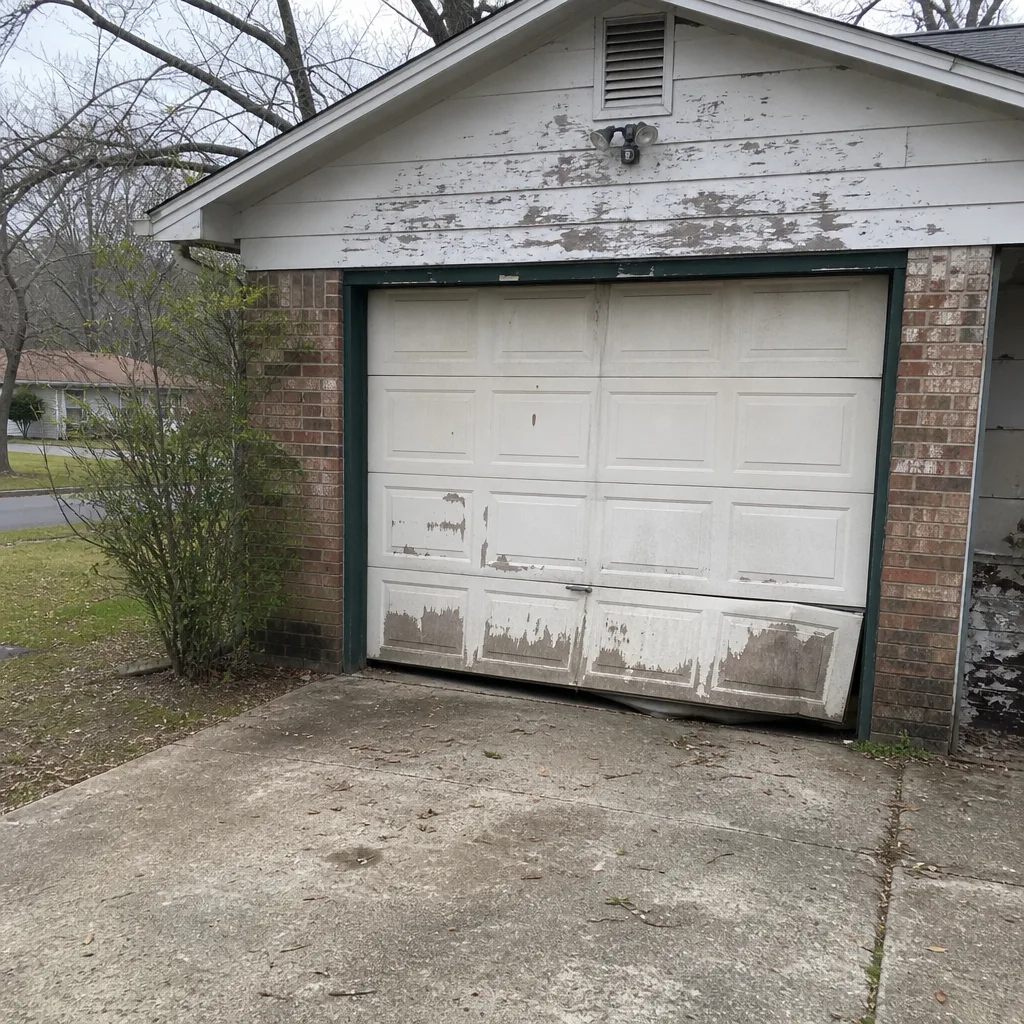 Before
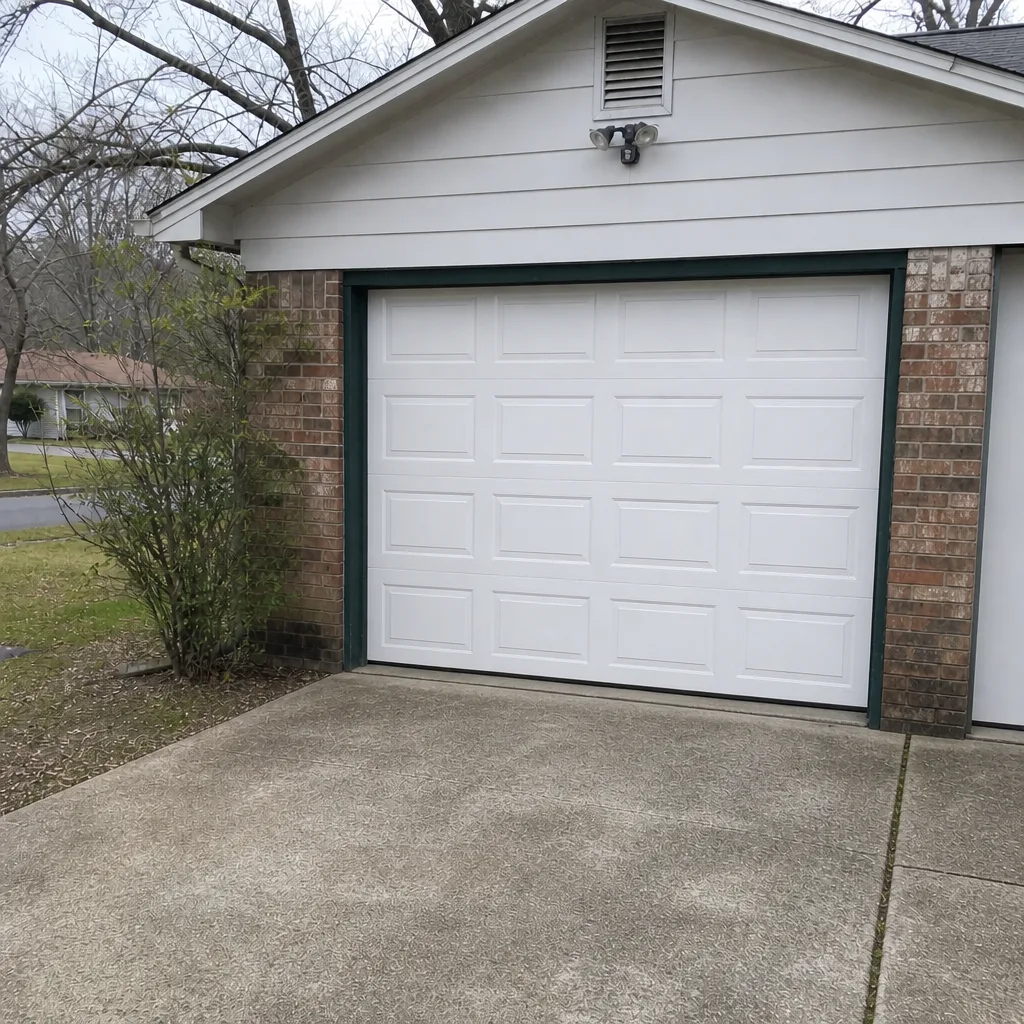 After
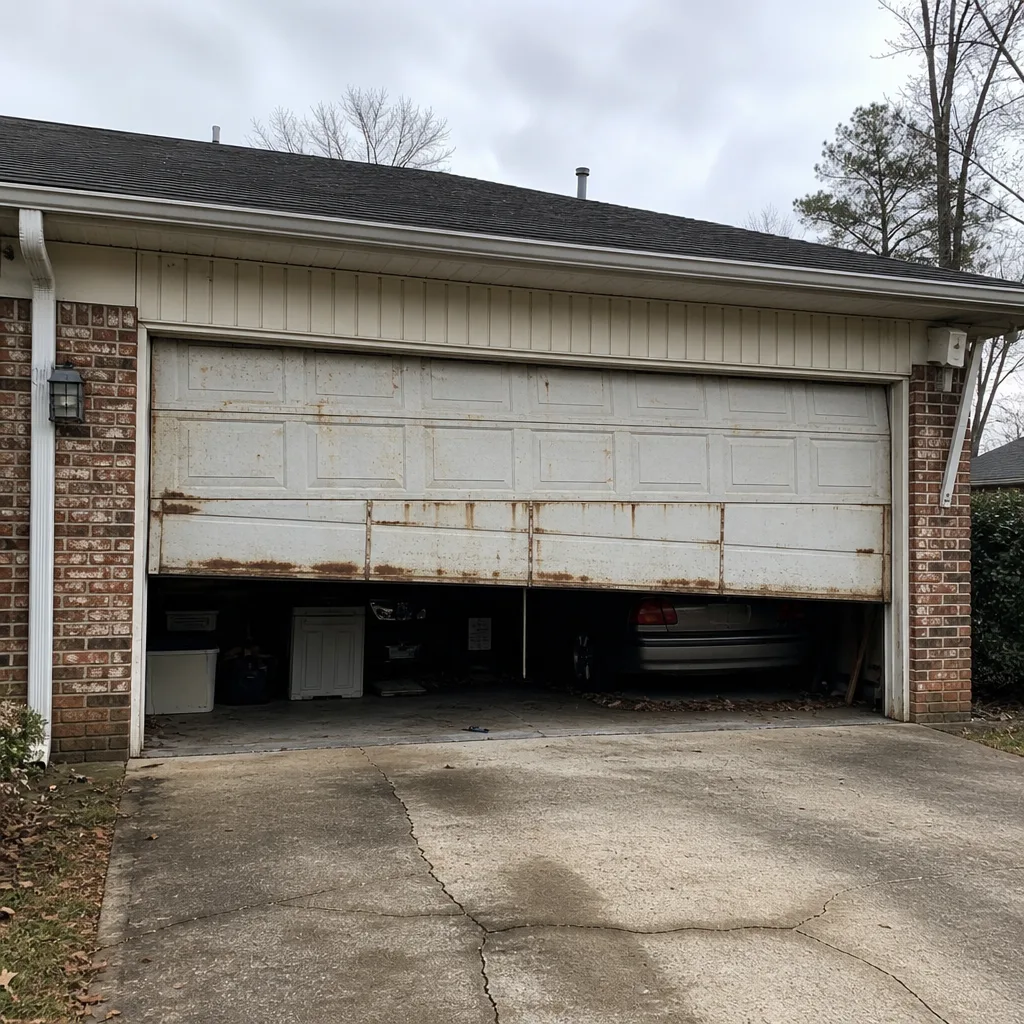 Before
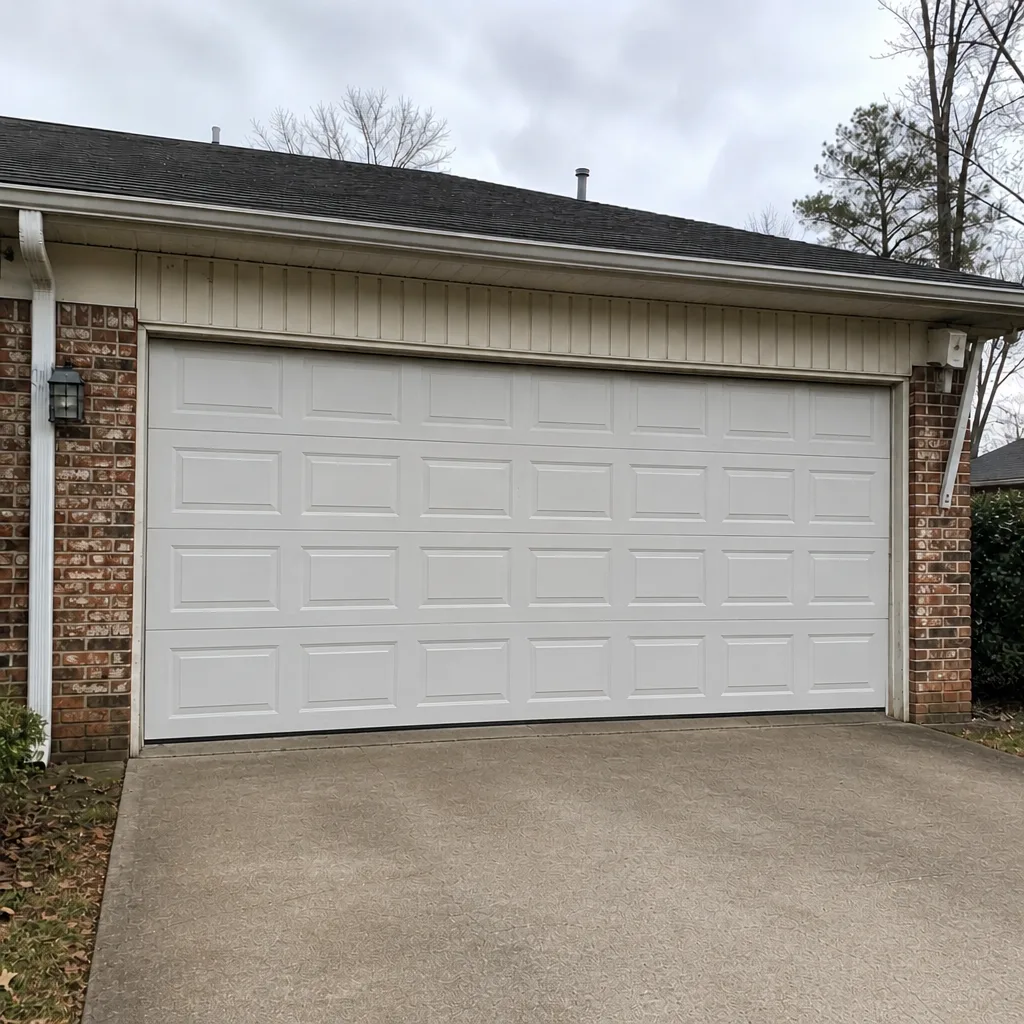 After
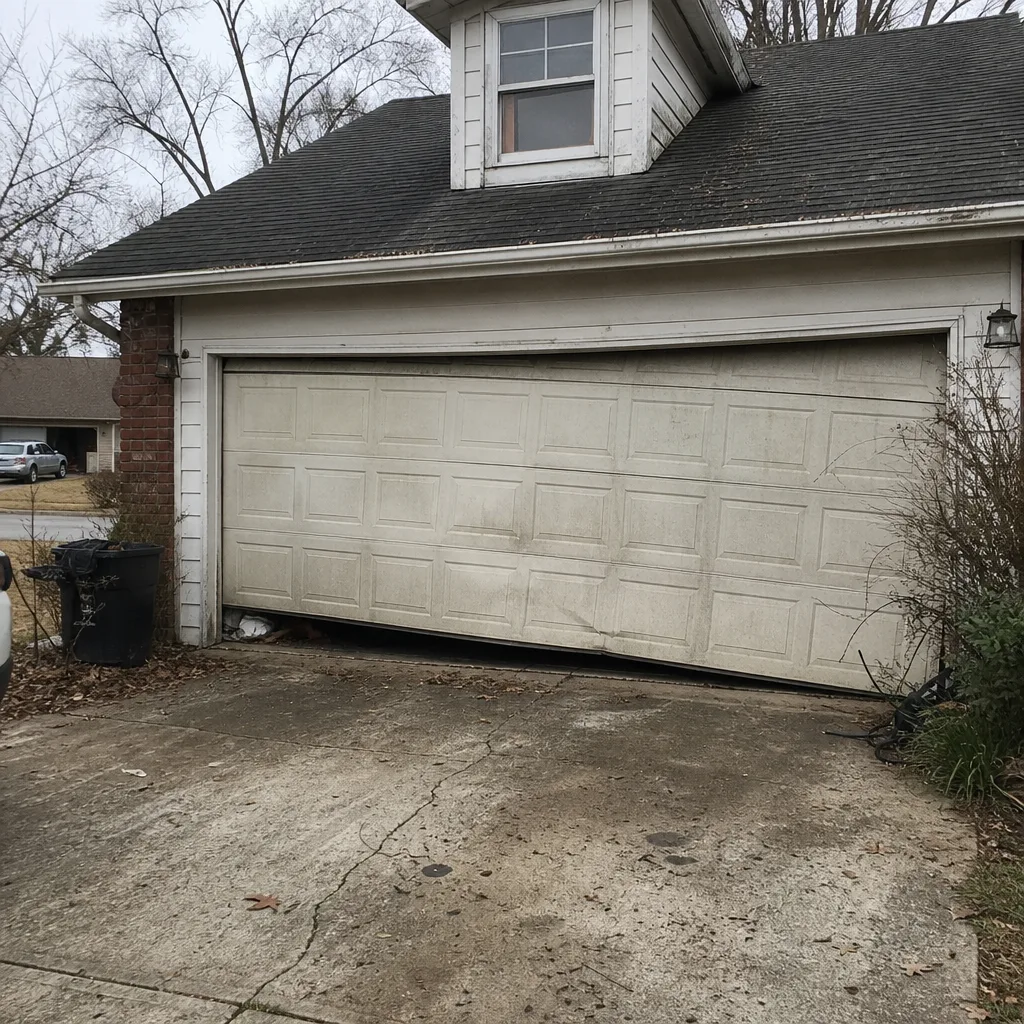 Before
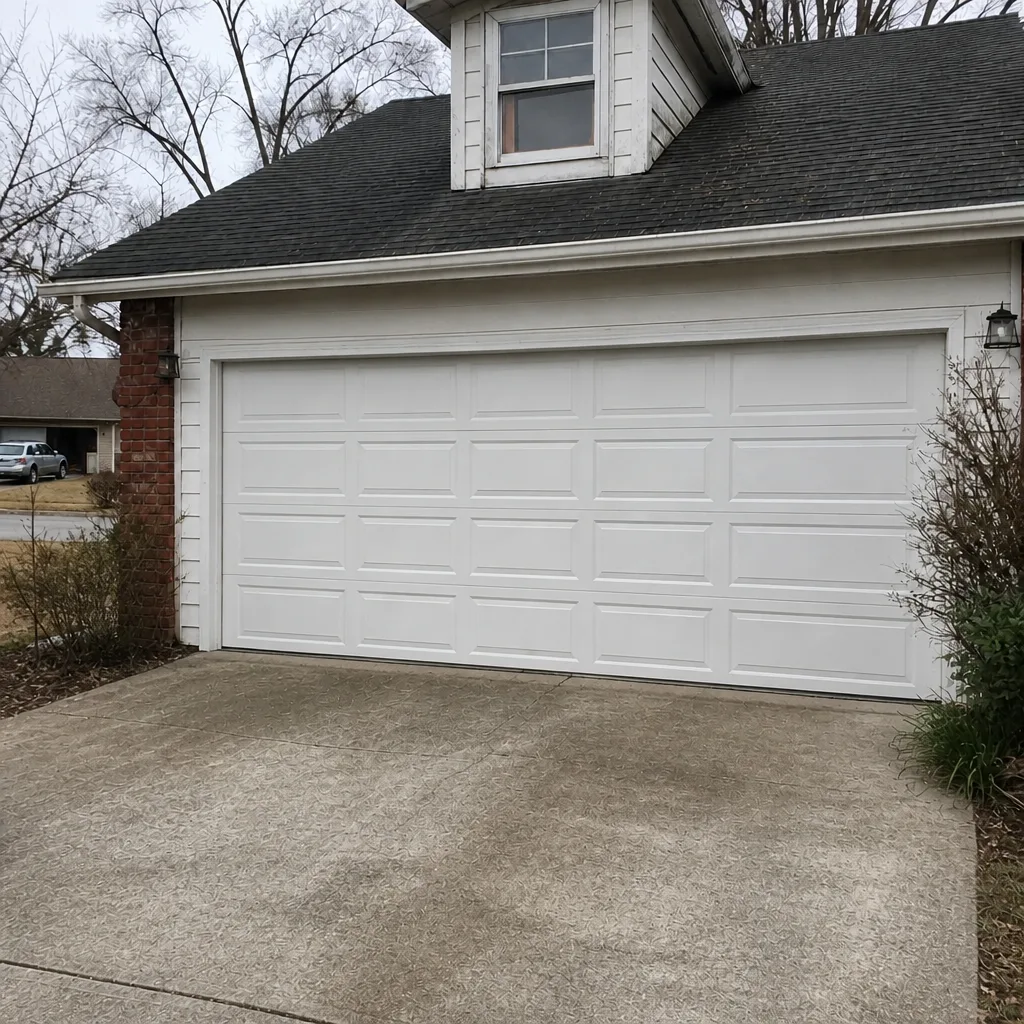 After
When to Call a Professional
Call a professional when the symptom involves springs, cables, or a door that won’t hold its position. Call when the door binds hard against resistance, when the opener has been tampered with and the warranty matters, or when you’ve checked the sensor lights and the door still reverses. Also call when you simply can’t tell what’s wrong, because a technician’s on-the-spot diagnosis is faster than a second afternoon of guessing. Hawthorne Garage Door Repair offers free estimates in Huntsville. Call (855) 632-2899. We answer 24/7. Fast dispatch from 7am to 7pm, Sunday through Friday. The price is quoted and agreed before any work starts, so you know the number before the repair begins.
Frequently Asked Questions
A reversing door almost always has a sensor issue. Check that both photo-eye sensors are lit, aligned, and clean, and that nothing is blocking the beam. If the lights are solid and the door still reverses, the wiring or the opener’s safety circuit needs a technician. Call (855) 632-2899 for an exact quote. Estimates are free.
Diagnosis is typically included as part of the repair estimate, not billed as a separate visit. The written estimate sets the final price, and it’s quoted before any work starts. Call (855) 632-2899 for an exact quote. Estimates are free.
Yes. Look at the sensor LEDs. If one is blinking or dark, you have a sensor issue. If both are solid and the wall control works but the door doesn’t move, the opener’s internal components are the more likely suspect. Call (855) 632-2899 and describe the behavior; we’ll tell you which category it fits.
Metal contracts in the cold, which stiffens torsion springs and shifts tracks slightly. A door that balanced in warmer weather can strain in winter mornings. That pattern usually means a calibration and lubrication adjustment, not a failed part. Call (855) 632-2899 to book a seasonal check.
No. The written estimate sets the price and it’s agreed before any work starts. If the diagnosis reveals more than expected, you’ll hear about it before any additional work is done, never after. Call (855) 632-2899 for an exact quote. Estimates are free.
Yes. We work on LiftMaster, Chamberlain, Genie, Clopay, Amarr, Wayne Dalton, Craftsman, and Raynor systems. Brand-matched parts and manufacturer-appropriate methods keep your warranty coverage intact when it applies. Call (855) 632-2899 to confirm your model before booking.
The Bottom Line
Most garage door problems fall into five categories, and the symptom you observe points to the right one. Your job is to read the door’s behavior accurately, check the safe things like sensor lights and roller condition, and stop at the line where springs and cables begin. Huntsville’s temperature swings mean seasonal calibration matters, not just repair. And when the diagnosis is unclear or the part is dangerous, a technician handles it faster and safer than a homeowner can. One call covers diagnosis, repair, and replacement if needed. Call (855) 632-2899. We answer 24/7. Fast dispatch from 7am to 7pm, Sunday through Friday.
Written by the team at Hawthorne Garage Door Repair.