
Last updated November 16, 2026
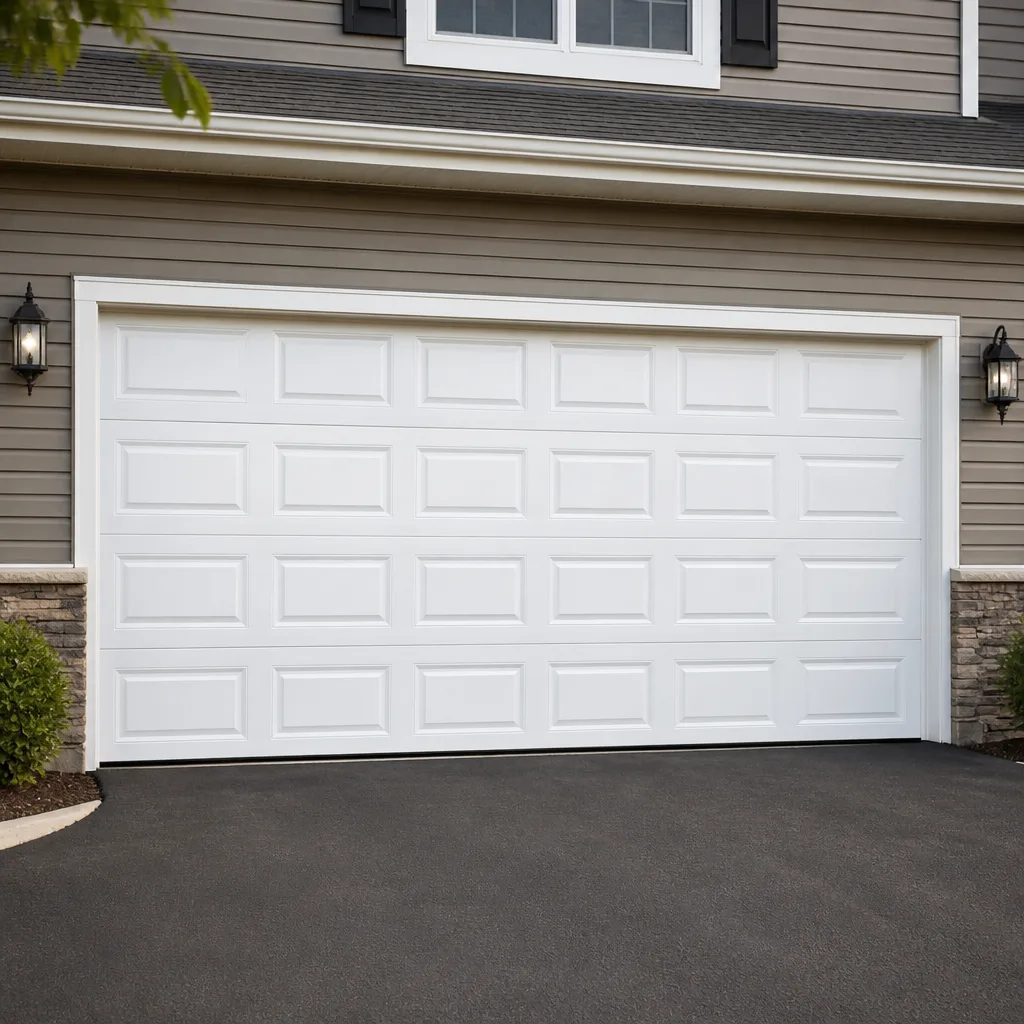 Raised-panel steel
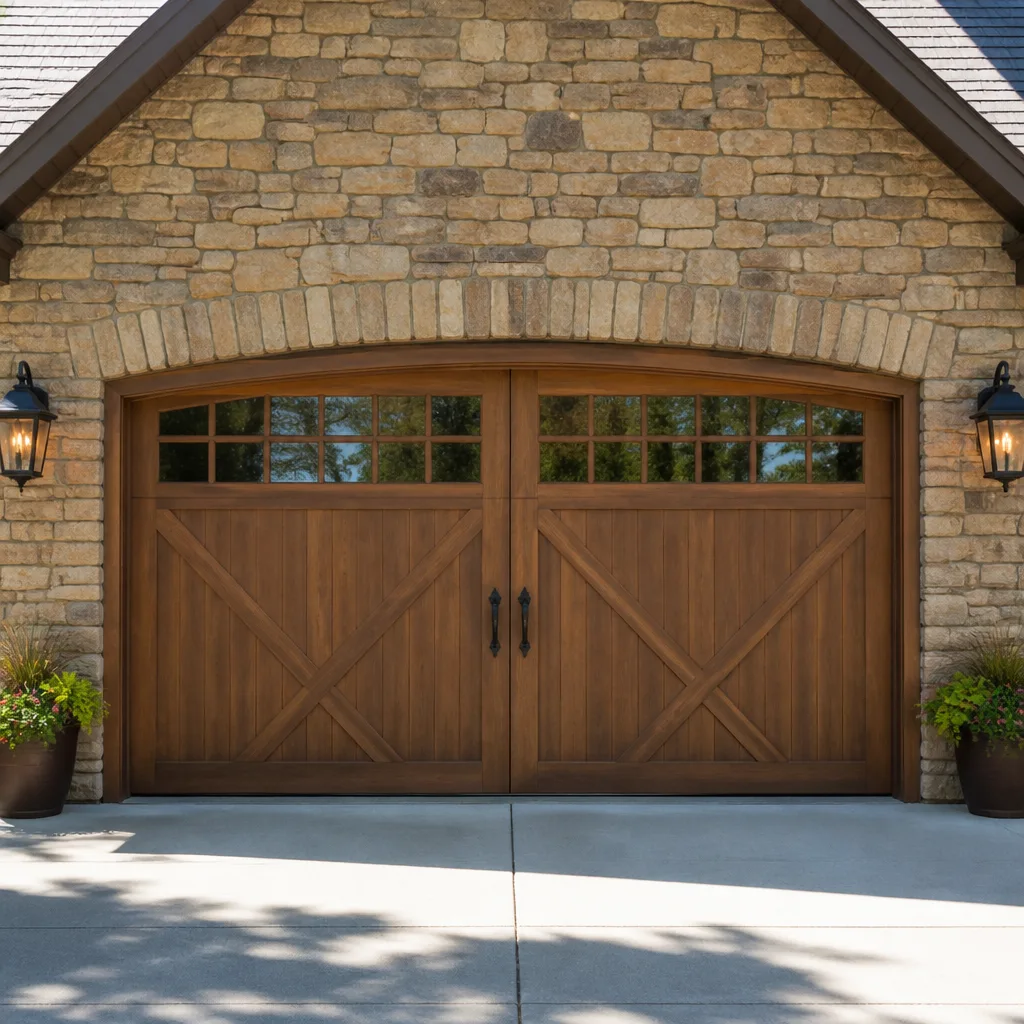 Carriage house
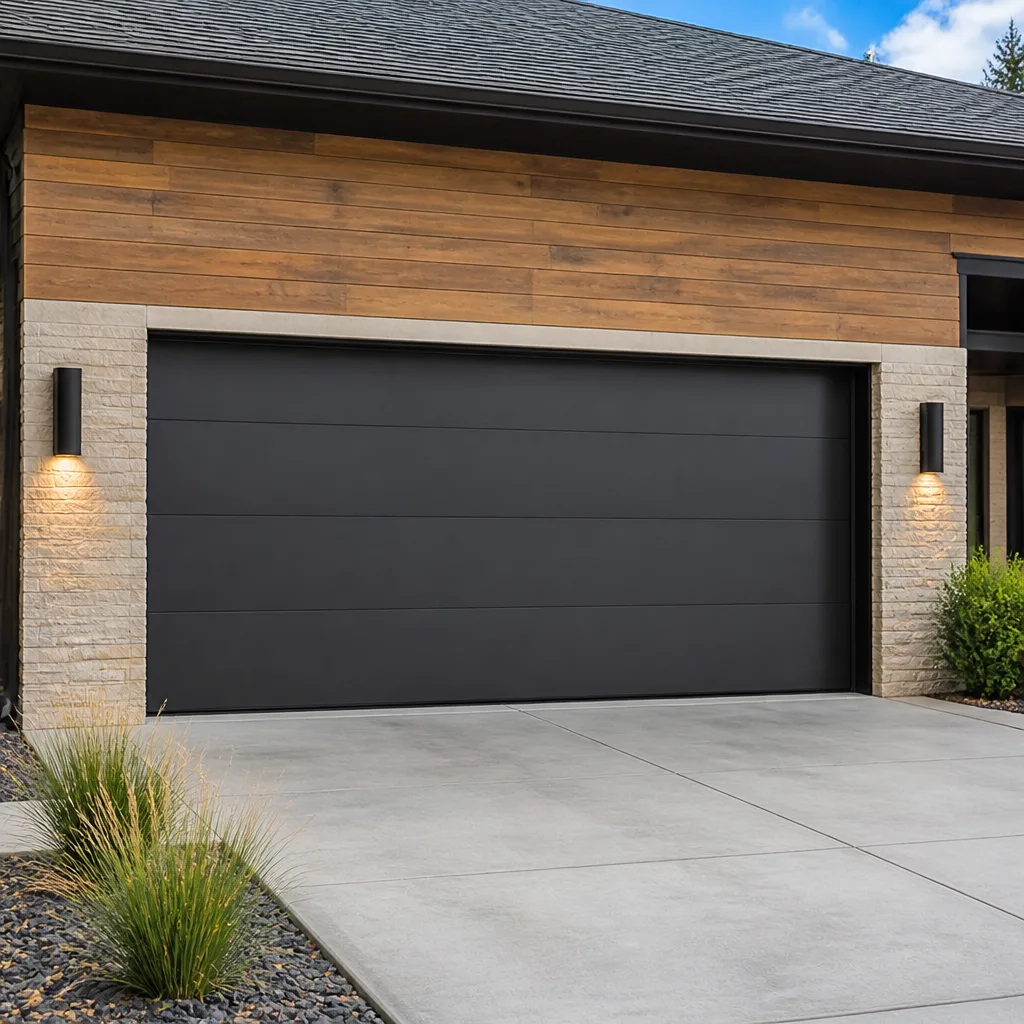 Modern flush
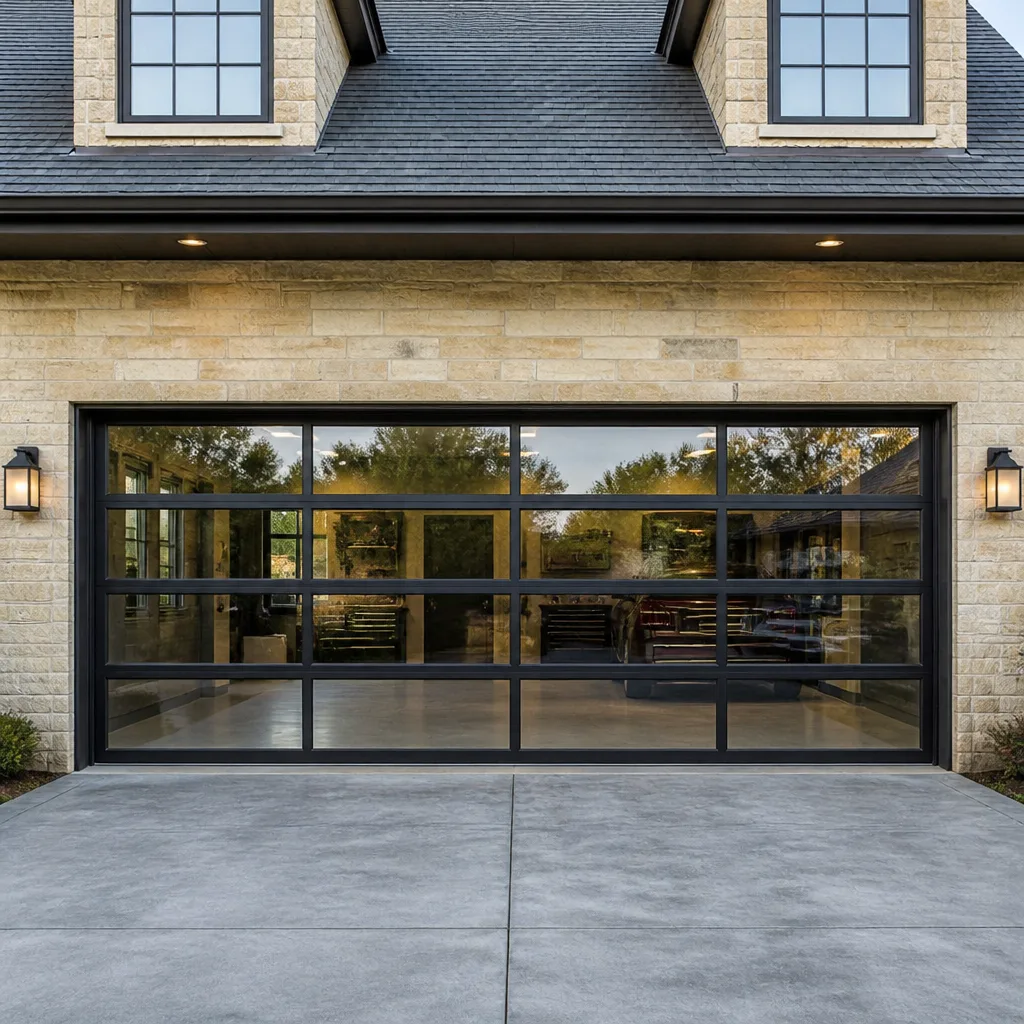 Full-view glass
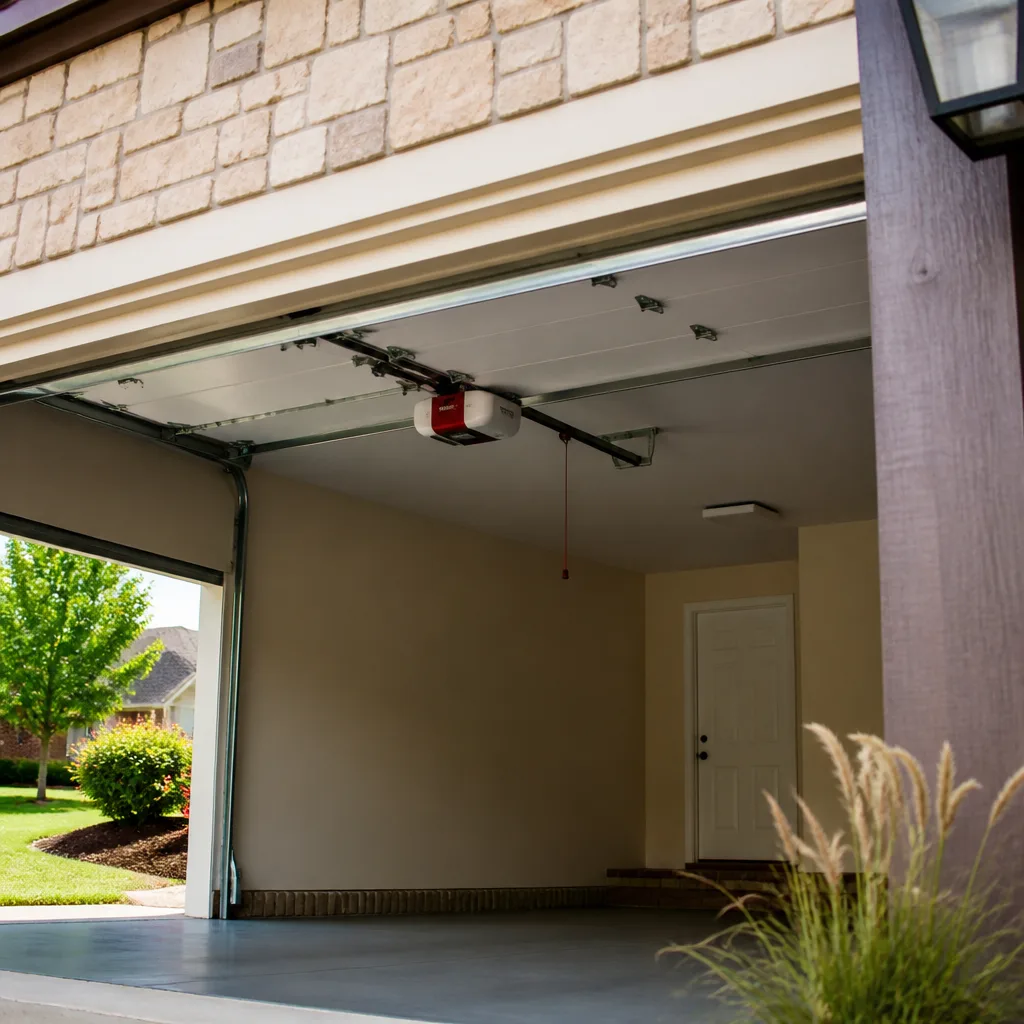 LiftMaster openers
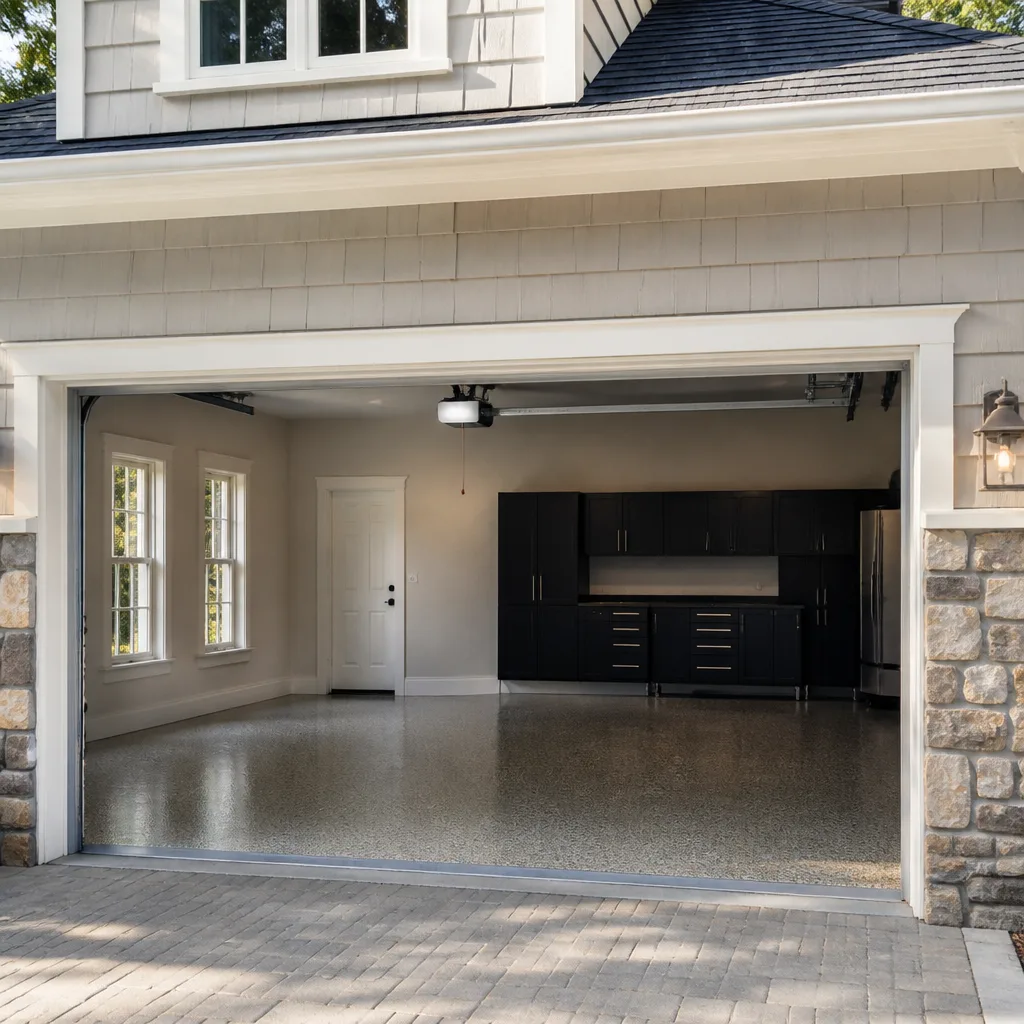 Chamberlain openers
Full 25-point door and opener safety check with every visit - springs, cables, rollers, tracks, and your LiftMaster or Chamberlain opener included
You get a price before we start. It does not change when the pro arrives.
Get your free estimateDIY vs Professional Garage Door: The Huntsville Homeowner’s Decision Guide
Torsion springs store enough energy to break a wrist or take out an eye. That’s not a warning meant to scare you away from your own garage. It’s the specific reason the DIY decision has to be made task by task, not door by door. Most Huntsville homeowners we talk to frame this as one big question: fix it myself or call someone? That framing is the trap. Inside a single garage door there’s a weathered bottom seal you can absolutely handle and a wound spring you should never touch, and they sit about four feet apart. This guide sorts the jobs into those two piles honestly, so you know exactly which tasks are safe, which are not, and where a Huntsville repair bill lands if a DIY job goes sideways.
Quick Answer
Safe DIY garage door work in Huntsville covers the low-tension, low-risk tasks: replacing a damaged panel, swapping weatherstripping, cleaning and lubricating tracks, and programming a remote or keypad. Anything involving torsion springs, extension springs, lift cables, or straightening a door that has jumped its track belongs to a trained technician, regardless of how handy you are. Panel replacement and seal work save real money done yourself. Spring and cable work is where the DIY math stops making sense, and where the risk starts.
Styles & brands we work with
- Raised-panel steel
- Carriage house
- Modern flush
- Full-view glass
- LiftMaster openers
- Chamberlain openers
Table of Contents
- Sorting the Jobs: What’s Actually Dangerous and What Isn’t
- Safe DIY Tasks in Huntsville (And How They Usually Go)
- Jobs That Require a Technician, No Exceptions
- Permits and Inspections for DIY Installs in Huntsville
- Sourcing Tools and Parts in Huntsville
- The Hidden Cost of DIY Failure
- Opener Brand Specificity and DIY Programming
- When the Repair Becomes a Replacement
Sorting the Jobs: What’s Actually Dangerous and What Isn’t
The core of the DIY decision isn’t skill. It’s stored energy. A garage door works on a counterbalance system, and that system holds a surprising amount of force under tension. When the door is down, the springs are wound tight, holding the weight ready to lift. That’s the part to respect. Everything else on the door is comparatively tame.
Here’s the split you can use right now, before you pick up a drill:
- Stored-energy components: torsion springs, extension springs, and the cables that run with them. These carry the risk. They can slip, snap, or release suddenly if handled wrong, and the injury range runs from a bad bruise to something much worse.
- Low-tension components: panels, hinges, rollers, weatherstripping, bottom seals, and the brackets that hold the track to the wall. These are mechanical but static. You can reason about them while standing next to them.
- Electronic components: opener remotes, keypads, wall consoles, and photo-eye alignment. The worst-case outcome here is a door that doesn’t respond, not a door that hurts you.
That’s the map. The rest of this guide walks through each category in Huntsville terms, because local conditions shape both what you can handle and how the work goes. North Alabama’s summer heat and humidity work on seals, lubricant, and wood panels year after year, and the spring tension cycle on a door used a dozen times a day adds up. This isn’t a climate that punishes doors quickly, but it does quietly wear them. Knowing which wear is cosmetic and which is structural is the whole skill.
Safe DIY Tasks in Huntsville (And How They Usually Go)
Start with the good news: a competent homeowner can save real money on the accessible half of a garage door. These are the jobs where the worst case is usually a callback to the hardware store, not a trip to urgent care.
- Panel replacement. A single dented or cracked panel can be swapped without touching the counterbalance system. You match the panel profile and color to the manufacturer, unseat the old one from its hinges, and slide the new one in. The wrinkle is brand specificity: a Clopay panel won’t fit a Wayne Dalton door, so ordering correctly matters more than the install itself.
- Weatherstripping and bottom seal replacement. Huntsville’s humid summers flatten cheap vinyl seals fast, and a flattened seal lets in rain, insects, and hot air. Pulling the old seal out of its channel and sliding in a fresh one is a straightforward job that most homeowners finish in under an hour.
- Track cleaning and lubrication. Wipe down the tracks with a mild cleaner, then run a garage-door-rated lubricant on the rollers and hinges. Skip the chain if it’s a sealed unit. Dirt and gummed-up lubricant are the usual culprits behind a door that sounds rough.
- Opener remote and keypad programming. Remotes, wireless keypads, and wall-console pairing are diagnostics-free on most systems once you have the manual in hand.
- Photo-eye alignment and cleaning. If the door reverses for no obvious reason, check that the safety sensors at the bottom of the track are aligned and clear of spiderwebs or leaf debris.
- Visual inspection and tightening. Walk the door once a month. Look for loose hinge bolts, worn rollers, and rust on the spring wire. Hand-tighten the small stuff.
That list covers a lot of what actually goes wrong on a Huntsville door. It’s satisfying work, it’s within reach, and it keeps the door healthy between the deeper repairs that ultimately need a professional. Where the DIY line falls is the next section.
Jobs That Require a Technician, No Exceptions
Two components in a garage door should never be a homeowner project: torsion springs and lift cables. Extension springs on older doors belong on that list too. This isn’t a liability hedge. It’s the physics of stored energy, and even experienced carpenters and electricians hand these jobs off.
The spring winds under tension to counterbalance the door’s weight. When it’s replaced or adjusted, the winder tool needs to control that load the entire time. If it slips, the spring releases through the winding rod at speed, and the rod has been known to fly across a garage. The cables add a second risk: they’re under constant tension from the door’s weight, and a sudden release whips them. If you’re searching for DIY garage door repair in Huntsville and this is the repair on your list, close the browser.
The tasks in this bucket, all requiring a technician:
- Torsion spring repair or replacement. Includes the standard matched-pair replacement, since springs wear at the same rate and a single swap usually means the second one fails soon after.
- Extension spring replacement on older doors. The older style runs along the horizontal track, and the same stored-energy risk applies.
- Lift cable replacement or re-spooling. A cable that has slipped a drum or snapped leaves the door unbalanceable, and the fix isn’t a “thread it back” job.
- Track realignment after a door has gone off-track. Once a door jumps its track, forcing it back with a pry bar bends rollers and misaligns hinges. A technician judges the actual damage before forcing anything.
- Hinge and roller replacement under load. Hinges and rollers can be swapped, but only with the door in a safe, supported position that removes the tension. This is a “leave it to someone with the right tools” line.
If you’re facing one of these and you’re not sure which repair you actually need, our garage door repair page walks through the diagnostic flow, and we’re always glad to talk a homeowner through it before a decision gets made. That’s how a call should start: information first, work second.
Permits and Inspections for DIY Installs in Huntsville
Here’s a part of the DIY conversation most guides skip: the permit question. Whether a new garage door install requires a permit in Huntsville depends on the scope and the jurisdiction. A straight door swap, like-for-like, sometimes doesn’t trigger one. A rebuild that changes the opening, adds a header, or moves electrical work for the opener usually does.
You cannot assume a DIY install avoids the inspection just because you did the labor. The counterbalance system, safety reversing system, and attachment to the structure are things an inspector may want to verify on a new install, and the door code isn’t optional just because you saved the labor cost.
The safest move before you start any DIY garage door install is one phone call to the City of Huntsville’s building department. Ask specifically:
- Does a like-for-like door replacement require a permit at this address?
- If the door is a new size or a new opening, what inspection is required?
- Does the opener wiring need separate electrical sign-off?
The answers can change the whole DIY equation. If the city wants an inspection on the finished work, the labor savings of a DIY install can shrink fast, and a professional install includes the permit-side work in the plan from day one. That’s not a sales line. It’s a check that makes the DIY-vs-professional math honest.
Sourcing Tools and Parts in Huntsville
Once you’ve decided a job is safe to handle, the next question is where the parts come from. This is where Huntsville’s big-box stores and garage door supply houses diverge, and the difference usually shows up two or three years later.
Big-box home improvement stores carry generic weatherstripping, generic rollers, and general-purpose springs sold by wire gauge and length. For a bottom seal or a light-duty roller replacement, that’s fine. What the big-box catchers don’t do well is brand specificity. Springs vary by door weight and drum radius on purpose. Rollers vary by hinge profile. A generic spring wound to the wrong tension is worse than a worn original one, because it loads the rest of the system unevenly and can shorten the life of hinges, cables, and the opener.
What to source where:
- Big-box friendly: weatherstripping, bottom seals, generic light-duty rollers, cleaning supplies, garage-door-rated lubricant.
- Brand-specific: panels, torsion spring assemblies, cables, hinges, opener remotes, keypads.
- Specialty supplier or the manufacturer: anything matched to a Clopay, Amarr, Wayne Dalton, or Raynor door profile. Match matters for the panel look and the fit.
A small detail that saves headaches: bring the door’s model sticker and a photo of the hinge to the counter. That’s not overkill. It’s how you avoid making two trips. The same logic drives the professional side: our technicians work in Craftsman, LiftMaster, Chamberlain, Genie, Clopay, Amarr, Wayne Dalton, and Raynor systems specifically, so the parts on the work order match the door on your garage. Brand-matched parts are the difference between a repair that holds and a repair that calls back.
The Hidden Cost of DIY Failure
Here’s the piece most DIY guides leave out. When a homeowner handles a task they shouldn’t, the fix usually costs more than the original repair would have, because it starts with correcting what went wrong. The dollar figures vary, but the pattern is consistent.
What a botched spring install or misaligned track typically adds up to in the Huntsville market:
- Botched spring install. A spring wound at the wrong tension can take out the cables and opener trolley when it fails. Correcting it means replacing the spring (a matched pair), the damaged cables, and a close inspection of the drum and shaft. What could have been a spring repair job becomes a broader repair with more parts.
- Misaligned track after a DIY realignment. A bent roller from forcing the track back usually takes a hinge and roller with it, and the door can still run rough. Track work done right means diagnosing the original cause, not just prying it straight.
- Wrong-spec panel or generic spring. A panel that fits poorly, or a spring that wears out in a year because it was sized wrong, means doing the same work twice.
- Opener wiring mistakes. A miswired opener can blow the control board. That turns a repair into a replacement, and replacement openers are a very different line item from opener repair.
The clearest way to frame the risk: a professional repair, quoted upfront, has a known number on the invoice. A DIY failure has no invoice until the technician is standing in front of it. If your spring just snapped, our guide on garage door opener repair walks through the connected systems, because a spring failure often shows up as an opener symptom that looks unrelated.
If the job has already gone sideways, the important thing is to stop forcing it. A door with a broken spring or a slipped cable is a door to leave closed. Call (855) 632-2899. We answer 24/7. Fast dispatch from 7am to 7pm, Sunday through Friday.
Opener Brand Specificity and DIY Programming
Programmed wrong, an opener won’t run. Programmed right, it’s a two-minute job. That gap comes down to brand logic, and Huntsville homeowners who’ve tried to pair a new remote without the right manual have learned this the hard way.
Each opener family has its own setup language. LiftMaster and Chamberlain share a lot of technology and programming style (both sit under the same corporate umbrella), but their remotes and wall consoles use different pairing routines depending on generation. Genie runs its own protocol and usually needs the operator’s learn button cycle. Craftsman labels are older, often rebranded versions of other systems, and the pairing steps depend on which generation the motor actually is.
A quick way to sort the opening move on a new remote:
- Find the learn button. On LiftMaster and Chamberlain operators it’s typically a colored button on the motor head near the antenna. Press and release it, then press the remote button within the window.
- For Genie systems, the pairing steps vary by operator generation. Look up the model on the motor label first.
- For Craftsman, identify which generation you have before ordering a replacement remote, since the pairing protocol changed across model years.
- For a new opener install, the safety-reversing test is not optional. Every modern opener requires the door to reverse on contact with an obstruction, and the photo-eye alignment has to be verified.
Where DIY fails is when the opener problems aren’t programming problems at all. A motor that runs but doesn’t lift, an opener that resets itself, or a door that reverses on its own is usually a diagnosis, not a pairing session. If you’re mid-project and stuck, opening the operator’s panel to swap a board is a job for someone who knows the electronics. One call covers it: diagnosis, opener repair, and the safety checks afterward.
When the Repair Becomes a Replacement
The last decision in the DIY-vs-professional conversation isn’t who does the work. It’s whether the work should be done at all. At some point, a door crosses the line from repair to replacement, and the honest call matters more than the labor savings.
A few signals that a door is on the replacement side:
- Multiple panels are failing at once, especially if the opening is out of square or the coverage is rusted through at seams.
- The door needs a second spring replacement cycle after a recent one, or the track and hinges are all wearing at the same rate.
- The opener has reached its functional end, especially if a board failure is showing up on a unit that’s older than the door itself.
- The homeowner wants a different door style, material, or insulation level. That’s a replacement decision made upfront, and DIY rarely makes sense there because of the size, the spring tension, and the framing.
For a replacement decision, our approach is straightforward. Repair or replace, we’ll tell you which one actually makes sense, and the estimate is free. That means a Huntsville homeowner gets an honest read on the door before committing to a DIY project that could wind up costing more in time and parts than a scheduled install.
Common Mistakes to Avoid
- Assuming “DIY” is a door-level or job-level question. It’s task by task. A homeowner who handles weatherstripping perfectly still shouldn’t touch the spring, and the mental model for both is the same door.
- Buying generic springs to save money. Springs are sized by door weight and drum radius. A generic fit wears unevenly and can wear out the cables and opener along with it. Brand-matched parts are the safer economy.
- Forcing a door back on its track with a pry bar. That bends rollers and hinges and hides the underlying cause. If the door jumped the track, the fix is diagnosis, not force.
- Assuming a like-for-like replacement avoids permits and inspection. Every Huntsville install should start with a call to the city building department to confirm what’s actually required at the address.
- Testing an opener’s safety reverse “by feel.” The safety reverse test is a specific check, and it’s part of any opener install for a reason. Verify it against the manual’s instructions rather than improvising.
- Programming a replacement remote without the model number. LiftMaster, Chamberlain, and Genie each have a different pairing routine. Skipping the model check wastes the afternoon and often damages nothing, but the door still doesn’t work.
- Running a door with a broken spring to “test it.” A door with a failed spring is unbalanced and heavy. Running the opener against that load puts the drive gear, the board, and the panel under strain.
See the difference
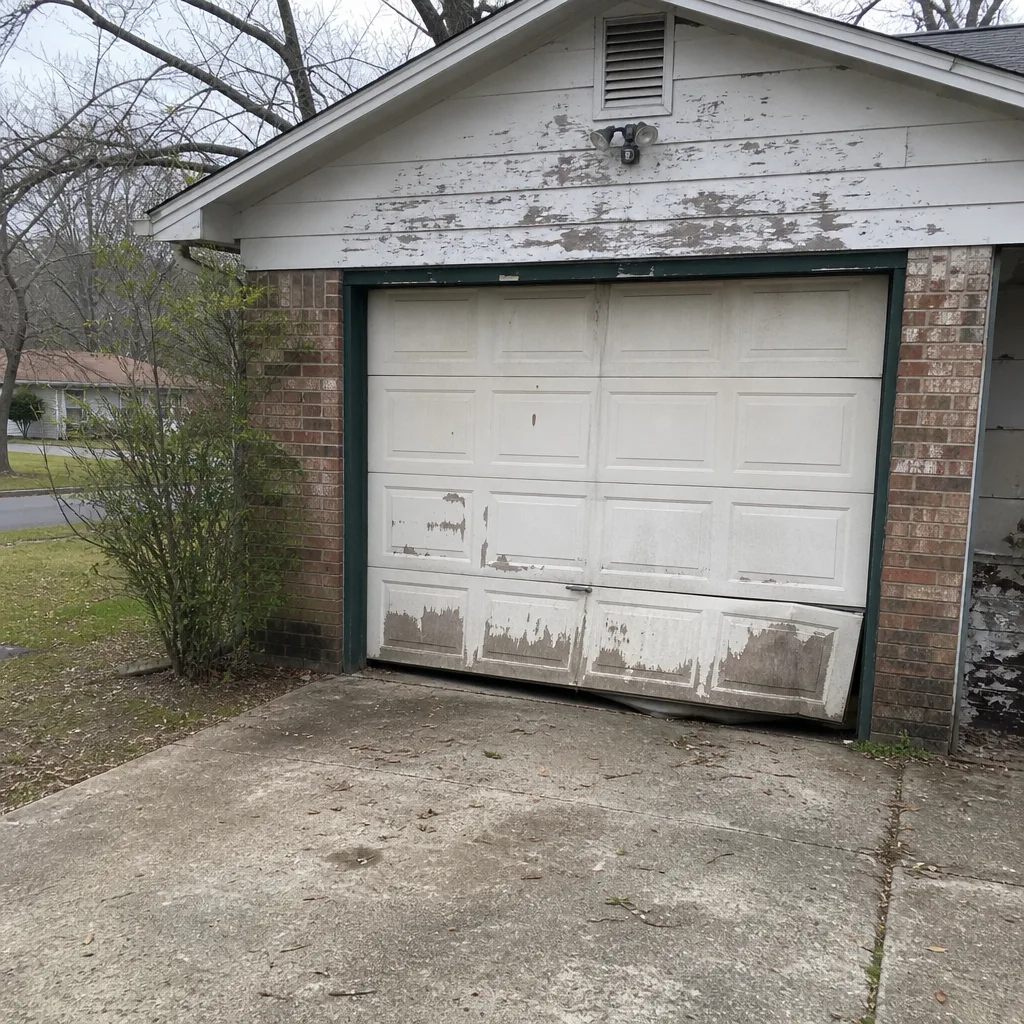 Before
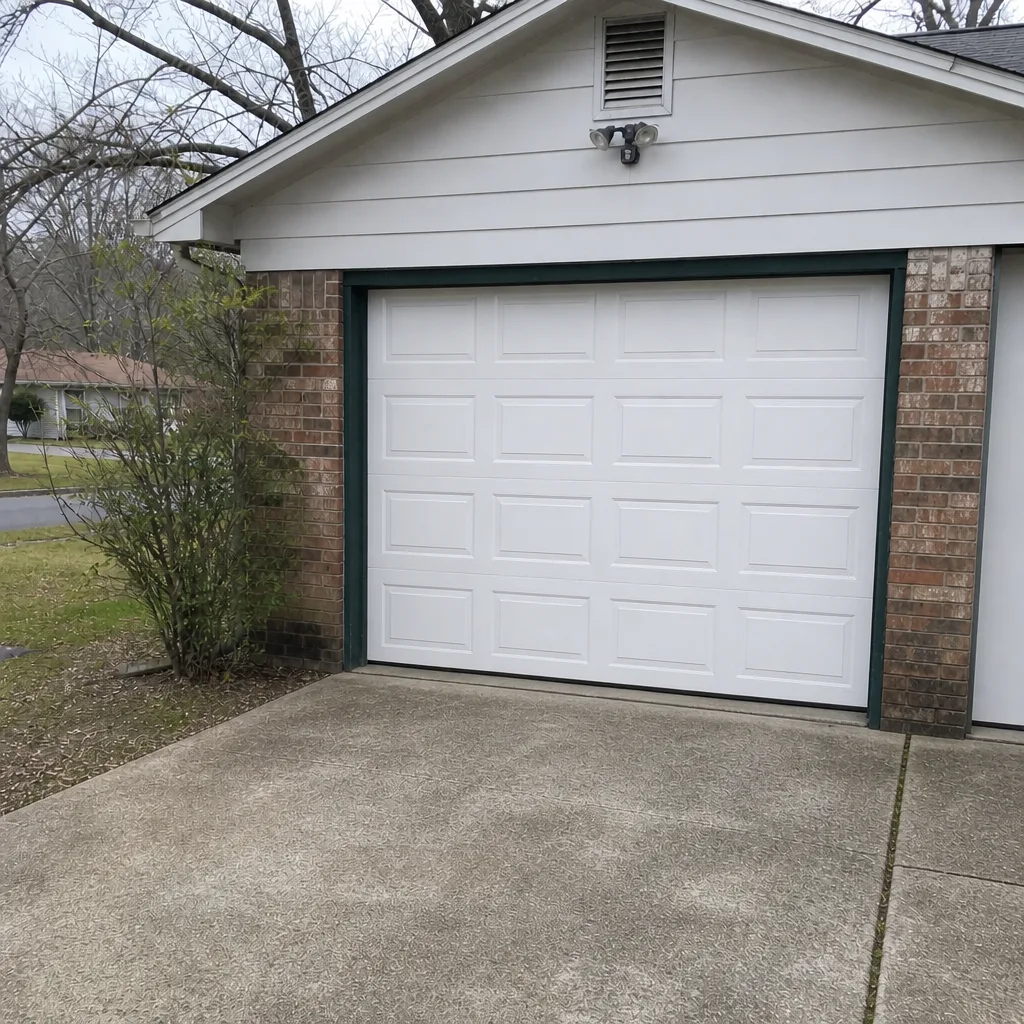 After
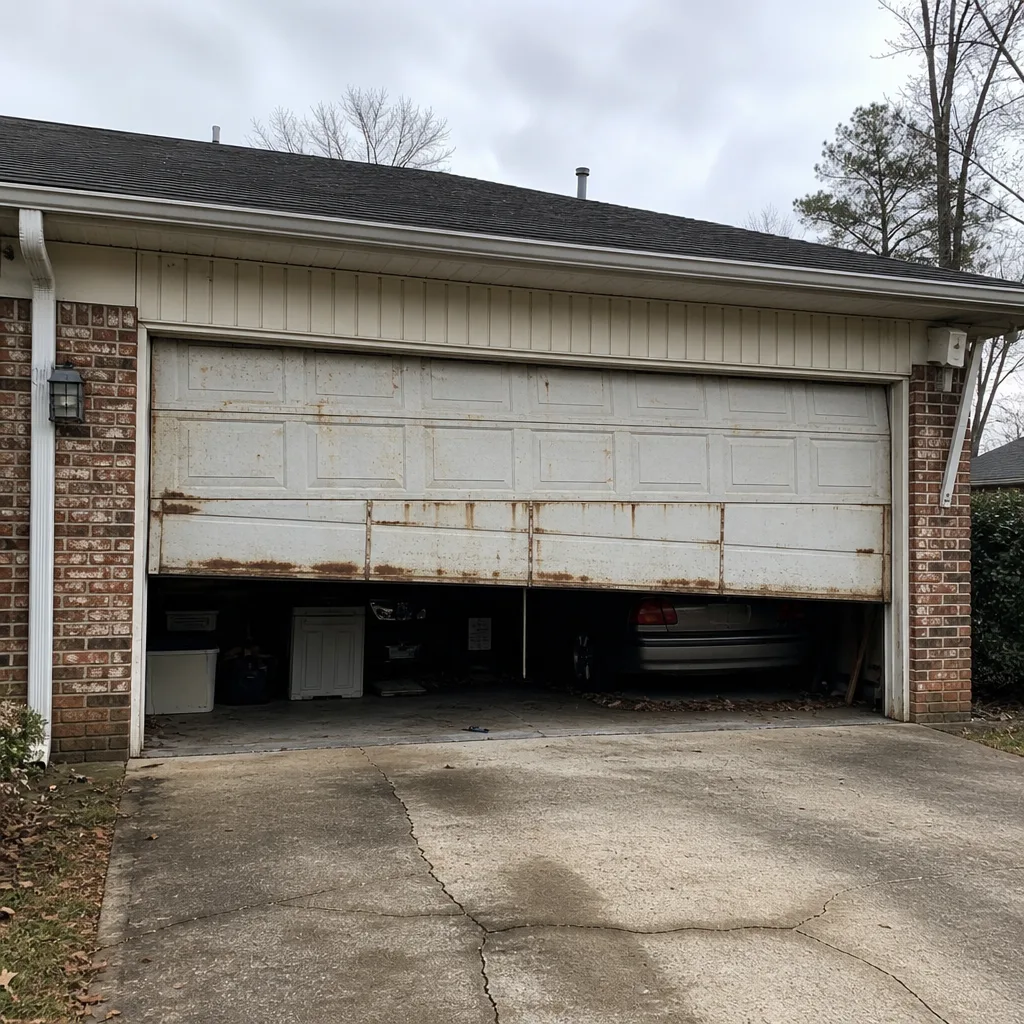 Before
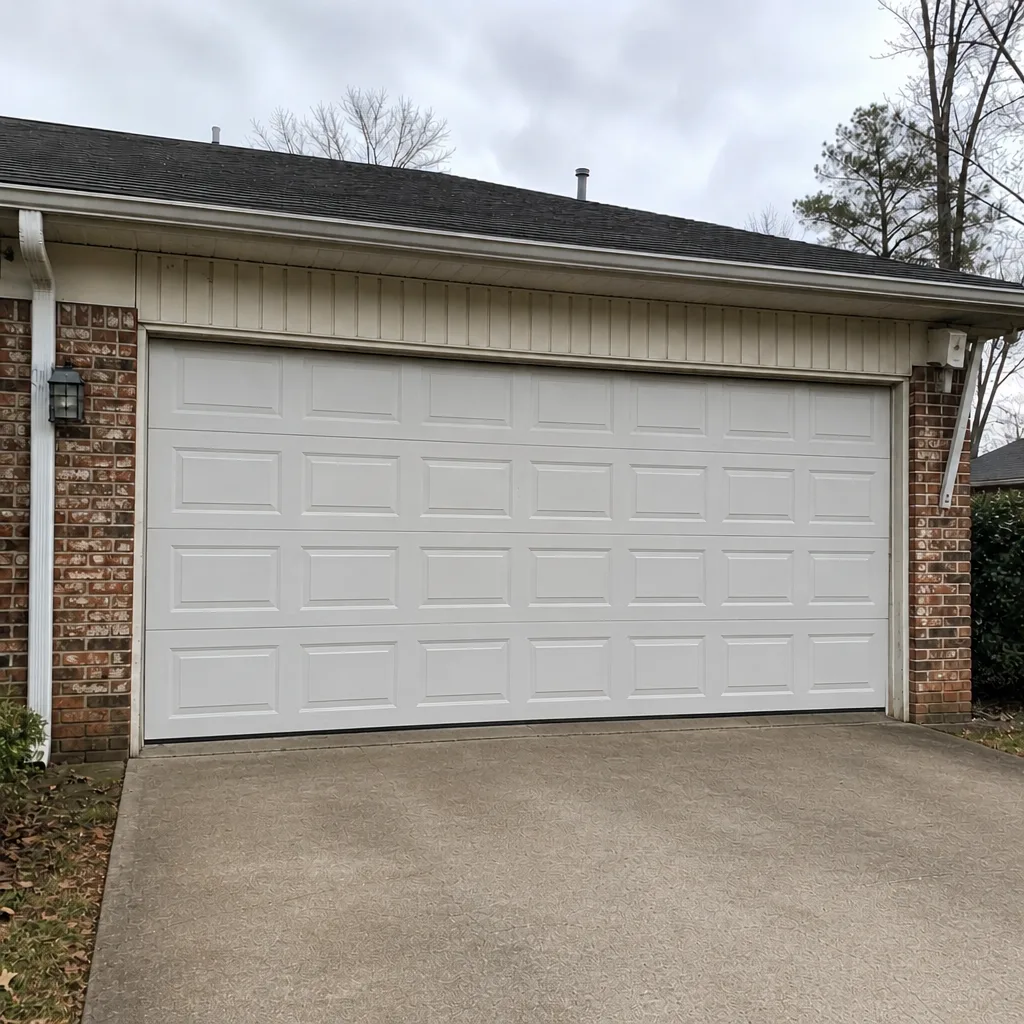 After
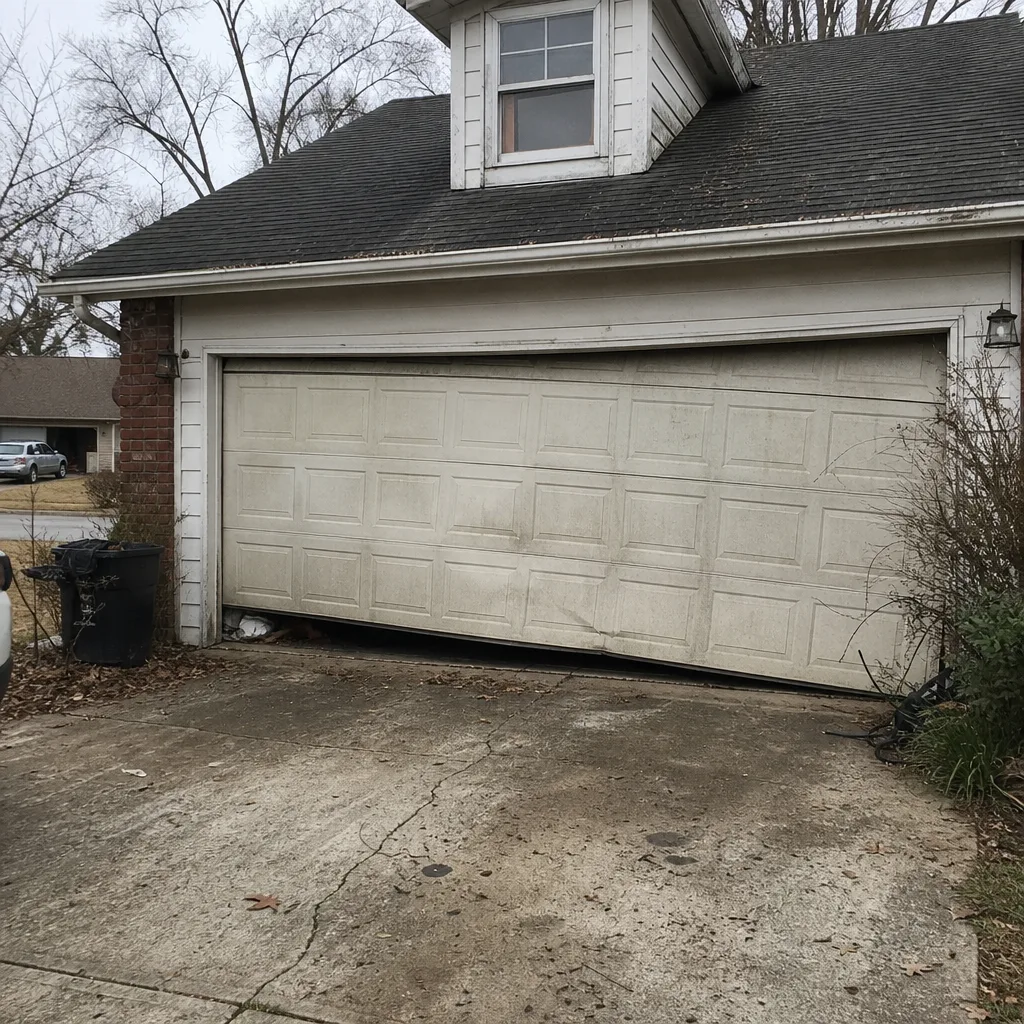 Before
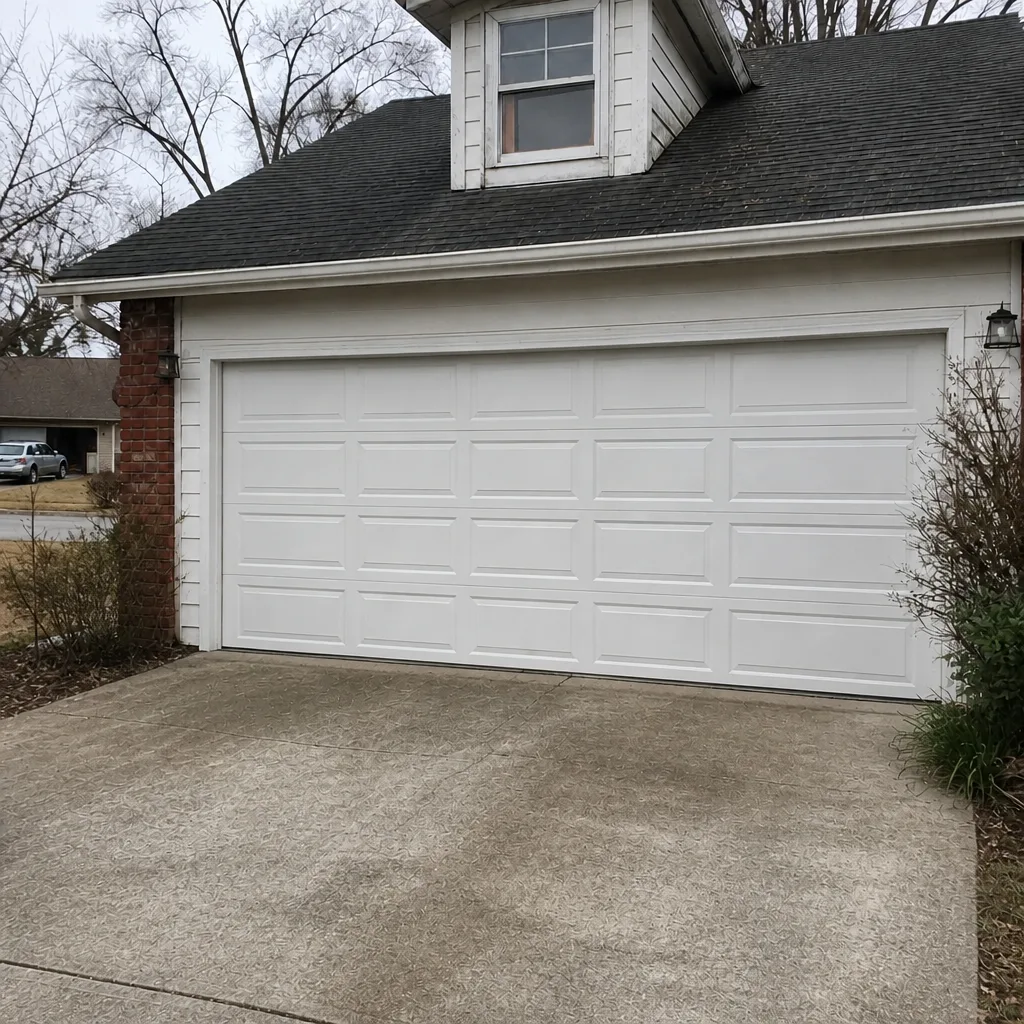 After
When to Call a Professional
Call a professional for any spring, cable, or track work, for any opener fault that isn’t programming, and for any replacement decision where the door’s weight and springing matter. Call earlier than you think you need to when you’ve already attempted a repair and it’s not going right, because the correction usually costs more than the original job would have. In Huntsville, we’ve seen enough doors in the middle of a project to know the difference between a homeowner who’s mid-diagnosis and one who’s about to force something. If you’re in that second category, stop and call.
Hawthorne Garage Door Repair offers free estimates in Huntsville. We work on all eight major brands and handle repair, opener repair, and installation under one company, so you’re not piecing together three contractors for one problem. Call (855) 632-2899. We answer 24/7. Fast dispatch from 7am to 7pm, Sunday through Friday. Our technicians have up to 12 years of experience, and every estimate is a written quote you approve before work starts.
Frequently Asked Questions
No. Torsion springs and their cables hold enough stored energy that a mistake can cause serious injury, and even experienced tradespeople hand this job off. A spring that lets go during a DIY replacement can whip the winding rod across the garage. A matched pair replaced by a technician is the right call. If you’re unsure whether your spring has actually broken, call (855) 632-2899 for a free estimate.
Panel replacement, weatherstripping and bottom seals, track cleaning and lubrication, photo-eye alignment, opener remote and keypad programming, and tightening loose bolts are all reasonable DIY tasks for a careful homeowner. Anything involving springs, cables, or track realignment after an off-track episode belongs to a technician. Most homeowners can save real money on the first list without taking on real risk.
It depends on the scope. A like-for-like door replacement sometimes doesn’t trigger a permit, but a new opening, a size change, or new electrical work for the opener usually does. A DIY install doesn’t skip an inspection just because you did the labor. Call the City of Huntsville building department before you start and confirm what’s required at your address. That call is free and it shapes the whole project.
It varies with what went wrong, and we won’t quote a number before seeing the door. What we can say: a DIY spring install that fails usually takes cables and sometimes the opener trolley with it, so the correction is a broader repair than the original job would have been. A misaligned track after forced realignment typically takes a hinge and roller with it too. The best way to know is a free estimate, and the price is set by the written quote before work starts. Call (855) 632-2899 for an exact quote.
We usually recommend replacing both springs together. Torsion springs work as a matched pair, they wear at the same rate, and replacing only one usually means the second fails soon after, which means paying twice for one repair. A pair costs about twice what a single spring repair does. Call (855) 632-2899 and we’ll explain the reasoning for your door specifically before any work begins.
Usually yes, as long as the opener is functioning. Most pairing failures come down to brand logic: LiftMaster and Chamberlain use their own learn-button cycles, Genie varies by operator generation, and older Craftsman models need the model number checked before ordering a remote. If the pairing still fails after following the manual, the fix is likely a real diagnosis rather than a programming step. Call (855) 632-2899 for a free estimate on what’s actually going on.
The Bottom Line
The DIY question is task-level, not door-level. Weatherstripping, panel swaps, lubrication, and remote programming are safe and worth doing yourself. Springs, cables, track realignment, and any opener fault that isn’t programming belong to a technician, because the stored energy in the system can hurt a careful person, not just a careless one. Permits and inspections have to be checked with the City of Huntsville before any DIY install. And the hidden cost of a botched DIY repair usually exceeds the original professional repair it tried to avoid. Decide the task, not the door.
Contact
If your project has crossed the line from safe to risky, call Hawthorne Garage Door Repair at (855) 632-2899. We work on every major brand (LiftMaster, Chamberlain, Genie, Clopay, Amarr, Wayne Dalton, Craftsman, and Raynor), and we handle repair, opener repair, and installation under one name. Free estimates, written quotes before any work starts, and same-day service on repairs. We answer 24/7. Fast dispatch from 7am to 7pm, Sunday through Friday. Learn more about our Hawthorne Garage Door Repair services and let us take the risk off your hands.
Written by the team at Hawthorne Garage Door Repair.