
Last updated November 16, 2026
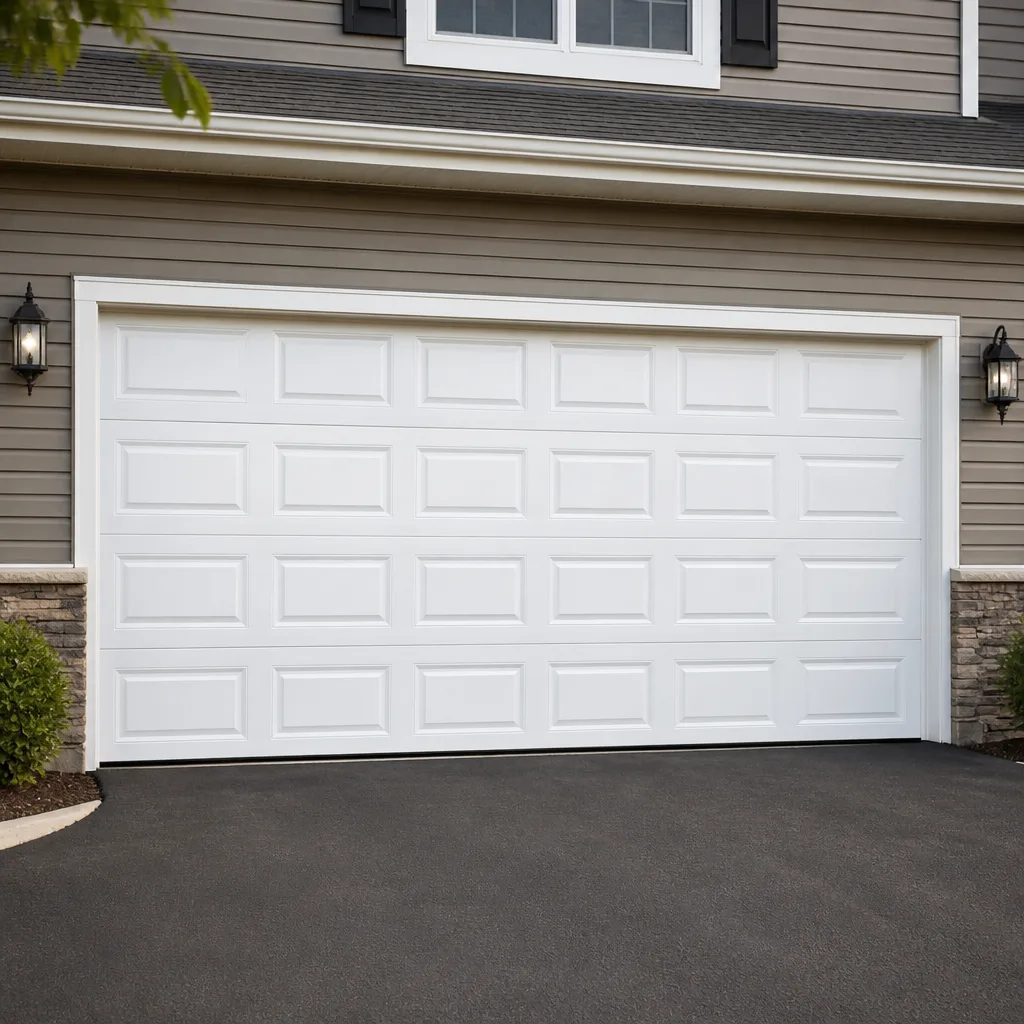 Raised-panel steel
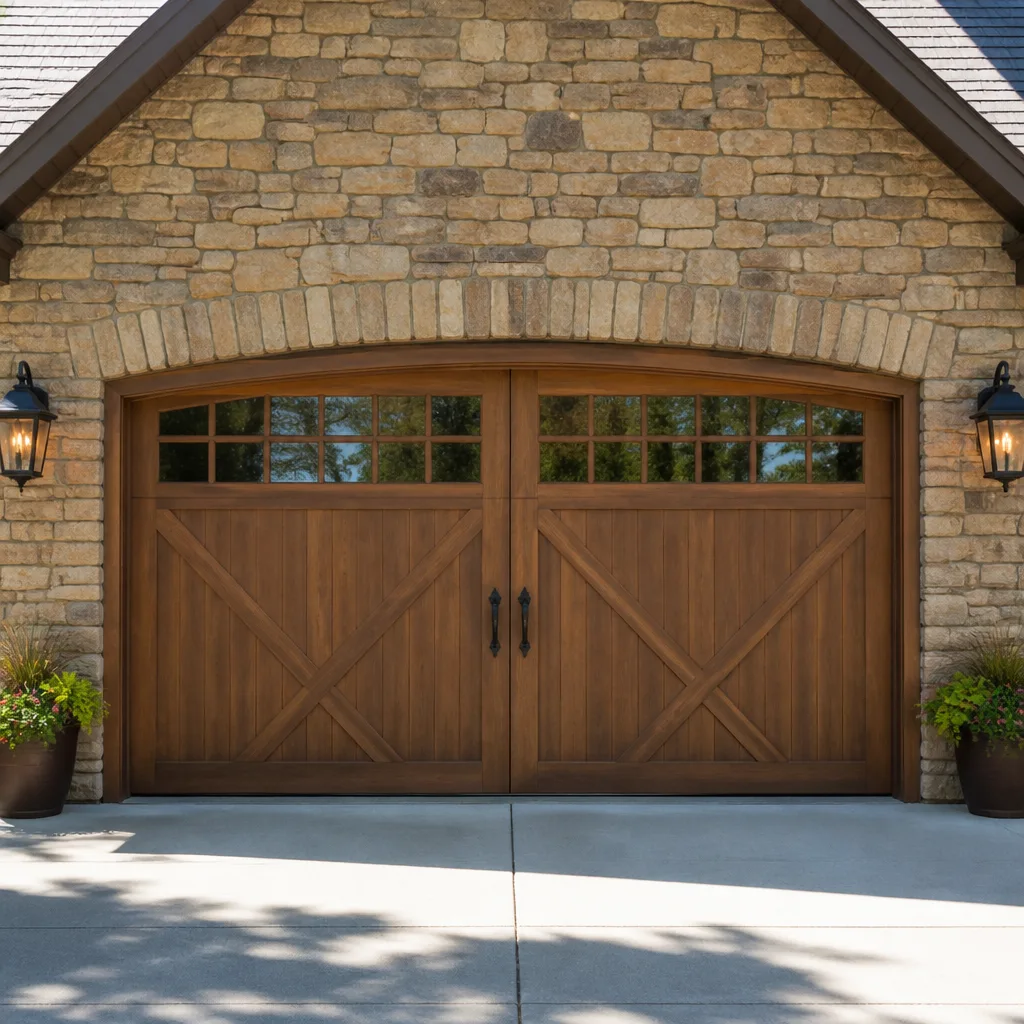 Carriage house
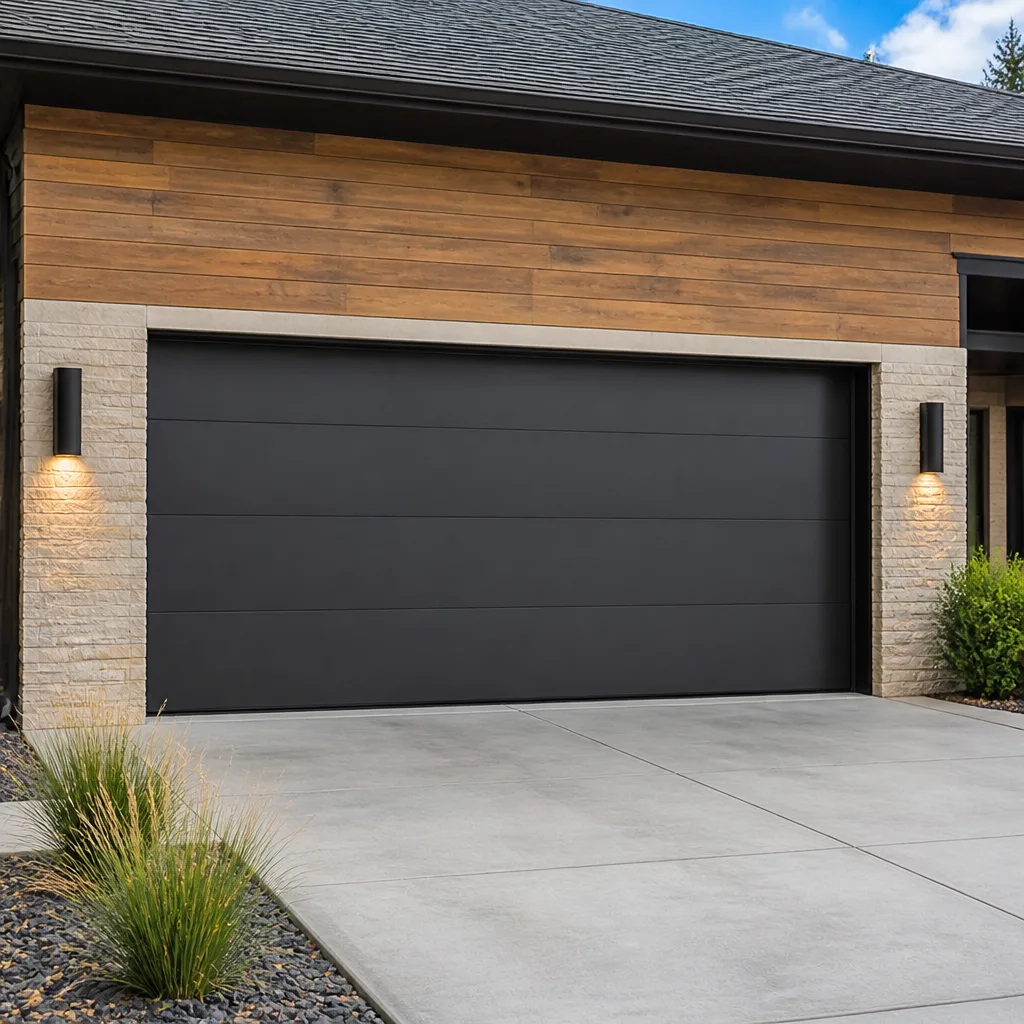 Modern flush
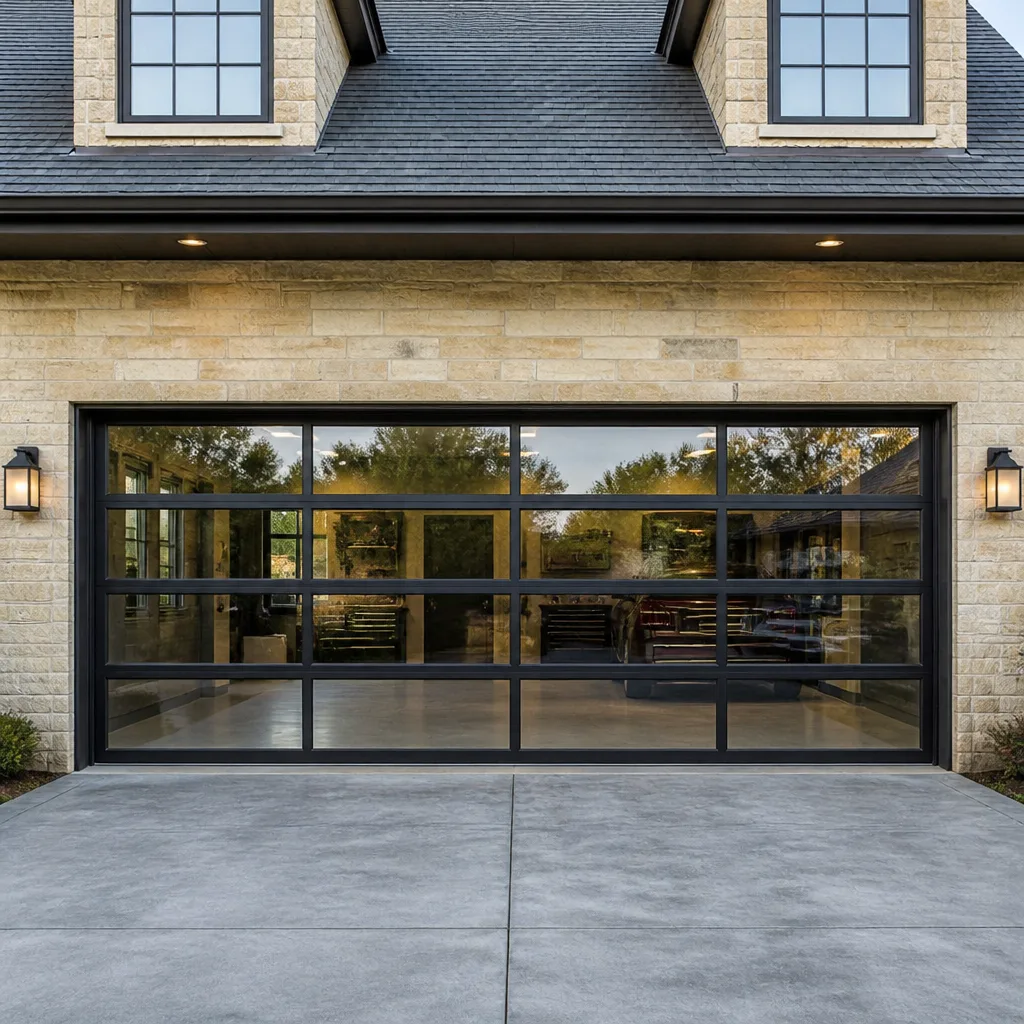 Full-view glass
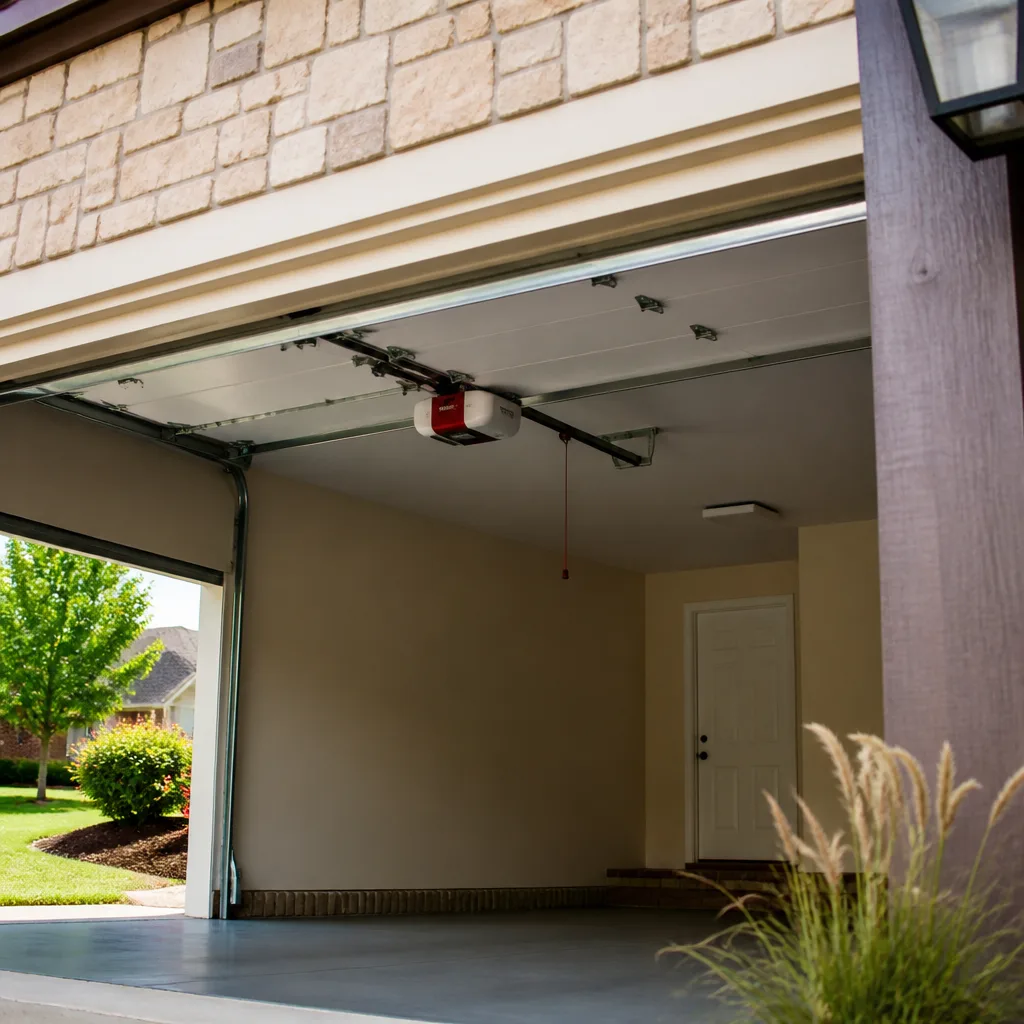 LiftMaster openers
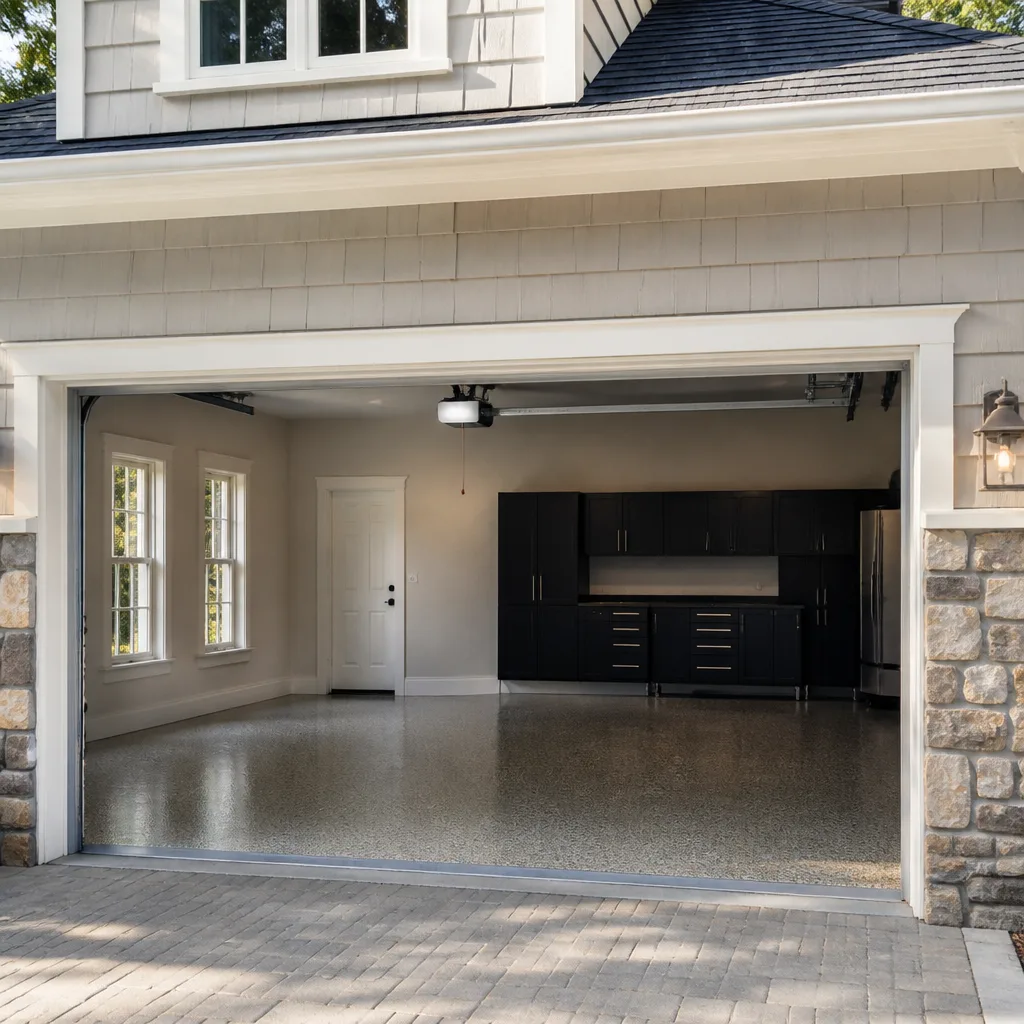 Chamberlain openers
Full 25-point door and opener safety check with every visit - springs, cables, rollers, tracks, and your LiftMaster or Chamberlain opener included
You get a price before we start. It does not change when the pro arrives.
Get your free estimateGarage Door Permits, Codes & Inspections in Huntsville, AL: What You Need to Know
Here’s the assumption we run into most often: that replacing a garage door in Huntsville is always permit-free. Most of the time, that’s correct. But the exceptions are specific, common, and expensive to fix after the fact. They show up when you widen an opening, change a header, or add a door where a wall used to be. Add an HOA architectural review board into the mix, and you may be dealing with two separate approval processes that neither party will remind you about. This guide draws a clear line between what needs a permit and what doesn’t, how Madison County and City of Huntsville rules differ, and what to expect at inspection and resale.
Quick Answer
In the City of Huntsville, a straight garage door replacement that matches the existing opening size and doesn’t touch the structure usually doesn’t require a building permit. Structural changes do: widening an opening, cutting a new opening into an existing wall, altering the header above the door, or converting a garage. Homeowners in Madison County outside city limits follow the county’s rules instead. If your neighborhood has an HOA, you may also need architectural review approval separate from any city requirement. Always confirm with Huntsville’s building department before work starts, since permit requirements are updated and specific to your address.
Styles & brands we work with
- Raised-panel steel
- Carriage house
- Modern flush
- Full-view glass
- LiftMaster openers
- Chamberlain openers
Table of Contents
- City of Huntsville vs. Madison County: Which Rules Apply?
- What Triggers a Garage Door Permit in Huntsville?
- When You Don’t Need a Permit
- HOA Architectural Review in Hampton Cove, Jones Valley and Beyond
- Fire-Rated Doors for Attached Garages
- What an Inspection Actually Looks At
- Unpermitted Work and Home Sales in Huntsville
- Step-by-Step: How to Handle the Approval Process
City of Huntsville vs. Madison County: Which Rules Apply?
The first thing to settle before you buy a door or hire anyone is which jurisdiction your address falls into. Huntsville’s city limits have expanded over the years, and a lot of neighborhoods that people think of as “Huntsville” in everyday conversation sit outside the city’s permitting authority. That means the rules that apply to your neighbor down the street may not be the rules that apply to you.
Broadly, there are two categories to consider:
- Inside City of Huntsville limits – permitting and inspections run through the city’s building department. This covers established neighborhoods all over Huntsville, including areas near downtown and the older subdivisions around Five Points.
- Outside city limits in Madison County – the county’s building department handles permits and inspections. This includes many addresses in growing areas north and east of the city.
There’s also a practical wrinkle: some addresses with a Huntsville mailing address are in unincorporated Madison County, and some addresses that feel “rural” have been annexed. Mailing address and legal jurisdiction aren’t the same thing. If you’re not certain, a quick call to the City of Huntsville building department (or the county, if you’re outside city limits) with your property address settles it. The department will tell you which codes apply and whether your project needs a permit at all.
This matters most for structural work. A straightforward replacement usually falls under the same category of “minor work” in either jurisdiction. But an alteration, a conversion, or a new opening can land in very different permitting territory depending on which side of the line you sit on. It’s worth the ten-minute call before you order a door.
What Triggers a Garage Door Permit in Huntsville?
Structural change is the trigger. If the work alters the building’s framing, the size of an opening, or the load path above the garage, expect a permit and an inspection. Cosmetic replacement alone usually doesn’t cross that line. Here are the scenarios we see most often:
Widening an existing opening
Turning a single-car opening into a double means cutting into the wall on one or both sides and modifying the header above the door. The header is the horizontal beam that carries the weight of the wall over the opening. Changing its span changes what it has to carry, which means the new design needs to be engineered and inspected. This is a permit job in essentially every jurisdiction.
Adding a new garage door to an existing wall
Cutting a new opening into a wall that was never designed for one is structural work. The wall now has a large hole where it didn’t before, and the header, framing, and sometimes the foundation all come into play. Permits and inspections apply.
Header changes and structural reinforcement
Replacing a damaged or undersized header, reinforcing a sagging opening, or correcting a door that was framed wrong by a previous owner all count as structural work. These trigger a permit even if the door itself stays the same size.
Converting a garage to living space
Finishing a garage into a bedroom, office, or apartment involves far more than a door change. It affects egress, insulation, electrical, and often fire separation. This is a full permit project, and it’s the scenario where homeowners most often underestimate the scope.
If your project falls into any of these categories, we recommend confirming the exact requirements with the City of Huntsville building department before demolition starts. Requirements vary by address, and it’s better to know the steps on day one than to discover them during a resale inspection years later.
When You Don’t Need a Permit
The good news for most Huntsville homeowners: the everyday garage door work you’re most likely to need doesn’t require a permit. A same-size replacement of a damaged or dated door, new opener installation, spring and cable replacement, and panel or track repair all fall outside the scope of a building permit in the vast majority of cases. Here’s a practical list of work that typically moves ahead without one:
- Replacing a door with the same size and configuration. A single door going back into a single opening, a double for a double. Same footprint, same header.
- Installing or replacing an opener. LiftMaster, Chamberlain, and Craftsman openers all mount to existing hardware and use the existing electrical supply. That’s a repair and installation job, not a permitting one. If you need an opener diagnosed, our garage door opener repair team handles that specific work.
- Spring, cable, roller and hinge replacement. Routine garage door repair doesn’t touch the structure of the house.
- Panel replacement. A damaged bottom panel swapped for a new one in the same size. This is the most common repair we’re called for after a bump from a car.
- Track and hardware adjustments. Aligning a bent track, replacing rollers, and retensioning the door.
If your project is a straight replacement, getting an estimate is the right first move. We can usually tell from the door dimensions and photos whether anything structural is in play. If we spot something – a sagging header, a bowing wall, an undersized opening – we’ll flag it early so you can decide whether to call the city before committing.
Even without a permit, a replacement door still needs to be installed safely. The springs, cables and opener are all under significant tension, and installation errors can cause failures that show up months later. That’s why a licensed installer matters even on the simplest jobs.
HOA Architectural Review in Hampton Cove, Jones Valley and Beyond
Many Huntsville neighborhoods add a second layer of approval on top of city or county rules. Communities like Hampton Cove and Jones Valley, along with a long list of newer subdivisions across the metro, operate architectural review boards that homeowners must go through before changing anything visible from the street. A garage door is very visible from the street.
Architectural review is separate from a building permit. You can have a perfectly legal, code-compliant door that your HOA still rejects because it doesn’t match the required color, style, or material. Here’s how the two processes typically differ:
- Building permit (city or county): concerned with structural safety, code compliance, and inspection. Triggered by structural change.
- HOA architectural review: concerned with appearance, consistency with the neighborhood, and covenants. Triggered by any visible exterior change, including a straight door replacement.
Neither party will remind you about the other. The city doesn’t ask if your HOA approved your door, and your HOA doesn’t ask if you pulled a permit. That’s the gap that catches homeowners off guard, especially after a door replacement they assumed was routine.
Before you choose a door style or book an install, do two things:
- Pull your HOA’s architectural guidelines and confirm the approved door colors, panel styles, and window configurations. If you can’t find the guidelines, ask the HOA board in writing.
- Submit the architectural review request with the door spec sheet and, if available, the installer’s drawing. Most boards want the specifics before they’ll approve anything.
Brand choice matters here more than people expect. A manufacturer like Clopay or Amarr offers styles, colors, and window options across their lines that often line up cleanly with what an HOA wants. If the guidelines require a specific panel design, we can usually match it from within those lines. Getting the door spec approved first, then ordering, saves a lot of frustration.
If your HOA has no written guidelines, ask the board to confirm the approval in writing anyway. A verbal “it should be fine” doesn’t help if a future board disagrees.
Fire-Rated Doors for Attached Garages
Attached garages have a fire separation requirement in most residential codes. The wall, ceiling, and door between a garage and the living space need to resist the spread of fire long enough for occupants to get out and for the fire department to respond. Where a garage door or a door between the garage and a house comes into play, the question is whether the existing separation is intact after the work is done.
Replacement matters here. A door that’s been cut, modified, or patched can lose its rating. If your garage shares a wall or ceiling with living space and the existing fire separation is intact, a garage door replacement on the exterior usually doesn’t affect it. If the project involves a converted garage, a new opening between garage and house, or work on the shared wall, plan on treating the fire separation as part of the job.
A short list of situations where fire-rated concerns come into play:
- Converting an attached garage into finished living space – the separation requirement usually applies to the new enclosed area.
- Adding a door or window to the wall between an attached garage and living space.
- Replacing a fire-rated door between the garage and the house with a non-rated door of the same size.
- Structural work that interrupts the ceiling or wall separating garage and house.
We’re garage door specialists, not building inspectors, and the specific rating requirements for your home depend on when it was built and what the local code cycle looked like at the time. If your project touches fire separation, ask the City of Huntsville building department what’s required. They’ll tell you the specific standard that applies to your address.
What an Inspection Actually Looks At
If your project required a permit, the inspection is the step that closes it out. The inspector is checking the work that the permit covered, which usually means the structural change and not the cosmetic finish. Here’s what inspections typically look at when a garage door project is part of a larger structural job:
- Header size and condition. The new header carries the weight over the enlarged opening. The inspector confirms it’s the size and material the drawing called for and that it’s installed correctly.
- Framing and connections. King studs, jack studs, and the hardware that secures the header to the surrounding wall.
- Sheathing and weather barrier. The exterior envelope around the new or modified opening, which needs to be sealed correctly against moisture.
- Fire separation. Where the project touched a wall or ceiling shared with living space, the inspector confirms the separation is intact.
- Final door installation. The door’s anchorage to the framing and, if the permit covers the door itself, its compliance with the approved spec.
One thing we tell every homeowner who’s going through a permitted project: don’t schedule the final inspection before the door is installed and operating. The inspector isn’t evaluating the springs or the opener, but they may note if the opening isn’t finished. Get the door in, get it running, then call for the inspection.
If your project didn’t require a permit, none of this applies. There’s no inspection for a straight replacement, and the door gets installed and put into service without any city visit.
Unpermitted Work and Home Sales in Huntsville
Huntsville’s real estate market has been active enough that buyers are asking more questions during due diligence than they used to. A home inspector who spots structural change around a garage opening that doesn’t match the permitted record will flag it. That flag can delay a closing, trigger a buyer’s request for a retroactive permit, or push the seller into a discount negotiation at the last minute.
The problem is harder to unwind than to prevent. Retroactive permitting means proving that the work that’s already done complies with current code. If the header is undersized or the framing doesn’t match, that means opening the wall again. If the door was installed under an unpermitted change, it may need to come out so the structure can be inspected.
What typically raises the question at sale:
- A garage opening that’s larger than the original footprint on the county or city record.
- A door style or opening that doesn’t match what the building department has on file.
- A converted garage with no corresponding permit for the conversion.
- An opening that was originally a wall (visible in older photos or on original plans).
If you’re buying a home in Huntsville with a modified or converted garage, ask your agent to pull the permit history before you commit. If you’re selling and you know a structural change was made without one, get ahead of it now. It’s a much smaller problem to address before an offer than after.
Step-by-Step: How to Handle the Approval Process
The process is manageable if you take it in order. Here’s the sequence we recommend to any Huntsville homeowner considering a project that might cross the permit line:
- Identify your jurisdiction. Confirm whether your address is inside City of Huntsville limits or in unincorporated Madison County. The building department for your jurisdiction is the one to call.
- Call the building department with your project scope. Tell them exactly what’s changing – opening size, header, wall, conversion – and ask whether a permit is required. Note the name of who you spoke with and the date.
- Get a written scope from your contractor. If the project is structural, the permit application needs drawings, dimensions, and material specs. A written scope shortens the process.
- Submit the HOA architectural review in parallel. If your neighborhood has one, submit the HOA package at the same time as the permit application. Don’t wait until the permit is issued to start HOA review. The two processes move on different timelines.
- Order the door only after both approvals are in hand. Manufacturers’ lead times vary by style and color. Ordering before approval is the most common mistake in the whole process.
- Schedule the inspection after installation. Once the structural work and door are complete, call for the final inspection. Keep the signed-off permit with your home records for future resale.
If your project is a straight replacement, skip steps 2 through 5 and move to step 6: pick the door, get it installed, register the warranty, keep the paperwork. That’s the whole process.
Common Mistakes to Avoid
- Assuming “Huntsville” in your address means “City of Huntsville.” Many Madison County addresses carry a Huntsville mailing address. Mailing address and legal jurisdiction aren’t the same thing, and confusing the two sends you to the wrong building department.
- Ordering the door before HOA approval. Once an architectural review board rejects a style, the door is yours. Custom orders usually aren’t returnable, and a rejected door becomes a very expensive piece of garage art.
- Treating HOA review as a formality. Architectural review boards in established Huntsville neighborhoods take their guidelines seriously. Submitting without reading them, or skipping submission because you think a replacement doesn’t need it, can lead to a fine or a removal order.
- Cutting a new opening without engineering the header. A bigger hill to climb than most people expect. A header sized for the original opening won’t necessarily carry the load after the opening is enlarged. Guessing at this is the most common way to end up with a structural problem the inspector will catch.
- Skipping the permit to save time. It almost never saves time at resale. Permit histories are public records, and a buyer’s inspector is very good at spotting changes that don’t match the record.
- Finishing a garage conversion without addressing the fire separation. The living space side of an attached garage needs to stay protected. Skipping the fire-rated detail during a conversion usually means pulling the finish back off later.
- Hiring the cheapest installer for a structural job. Structural work requires correct header sizing, correct framing, and correct inspection. It’s the one part of the job where the wrong bid is more expensive than the right one.
See the difference
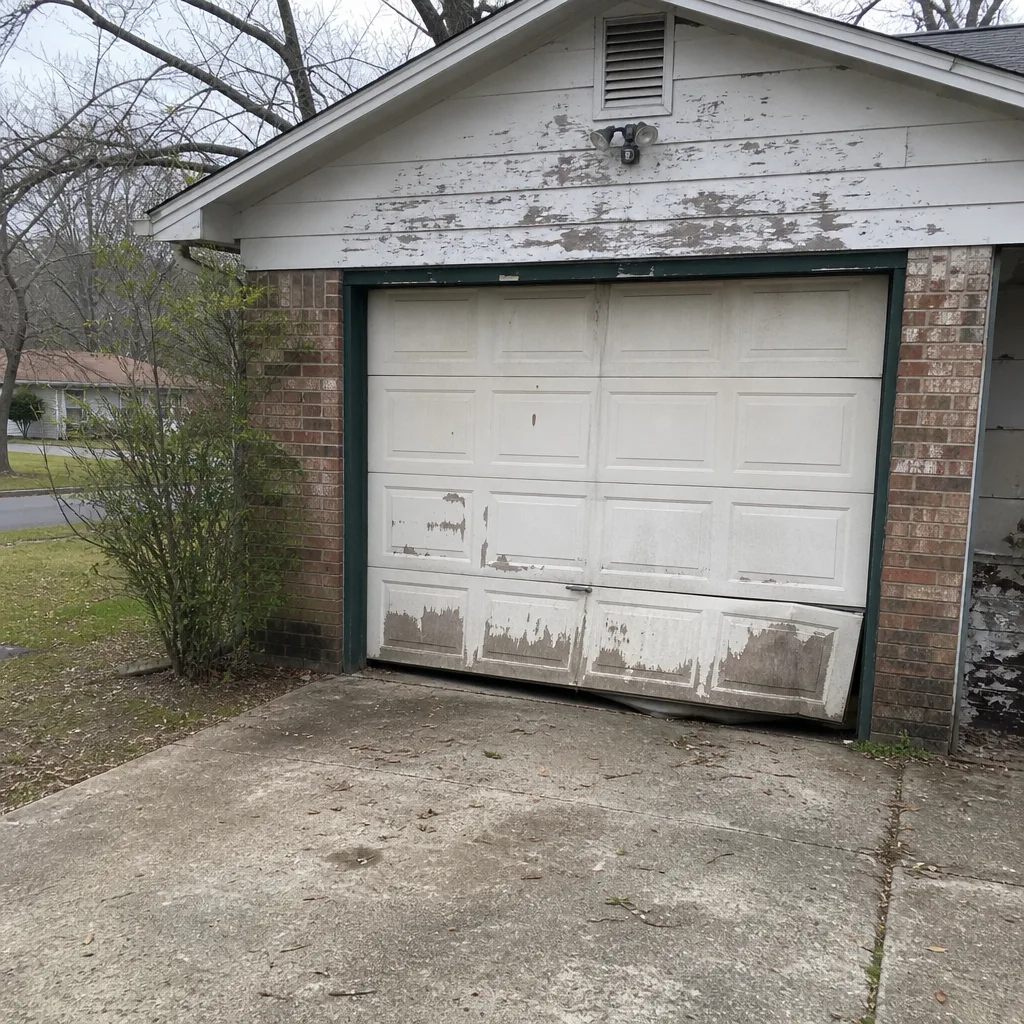 Before
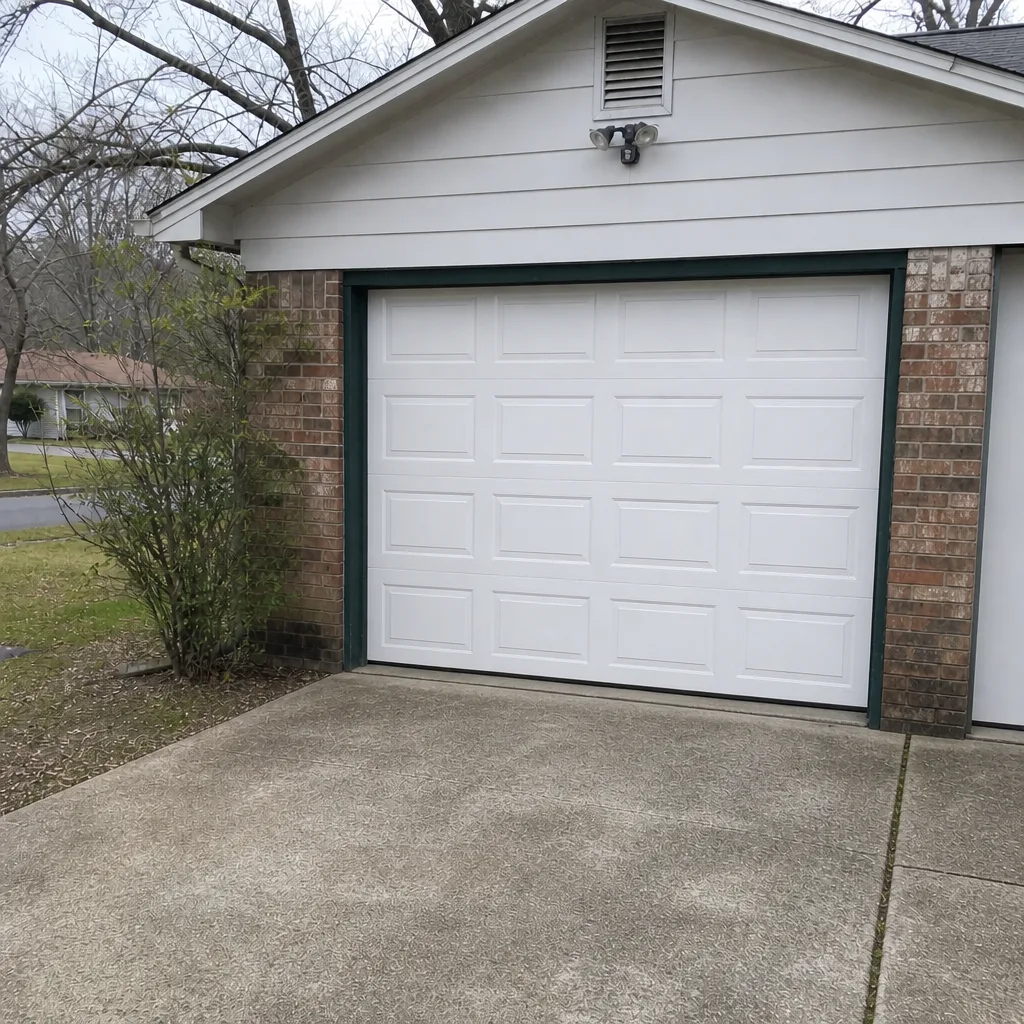 After
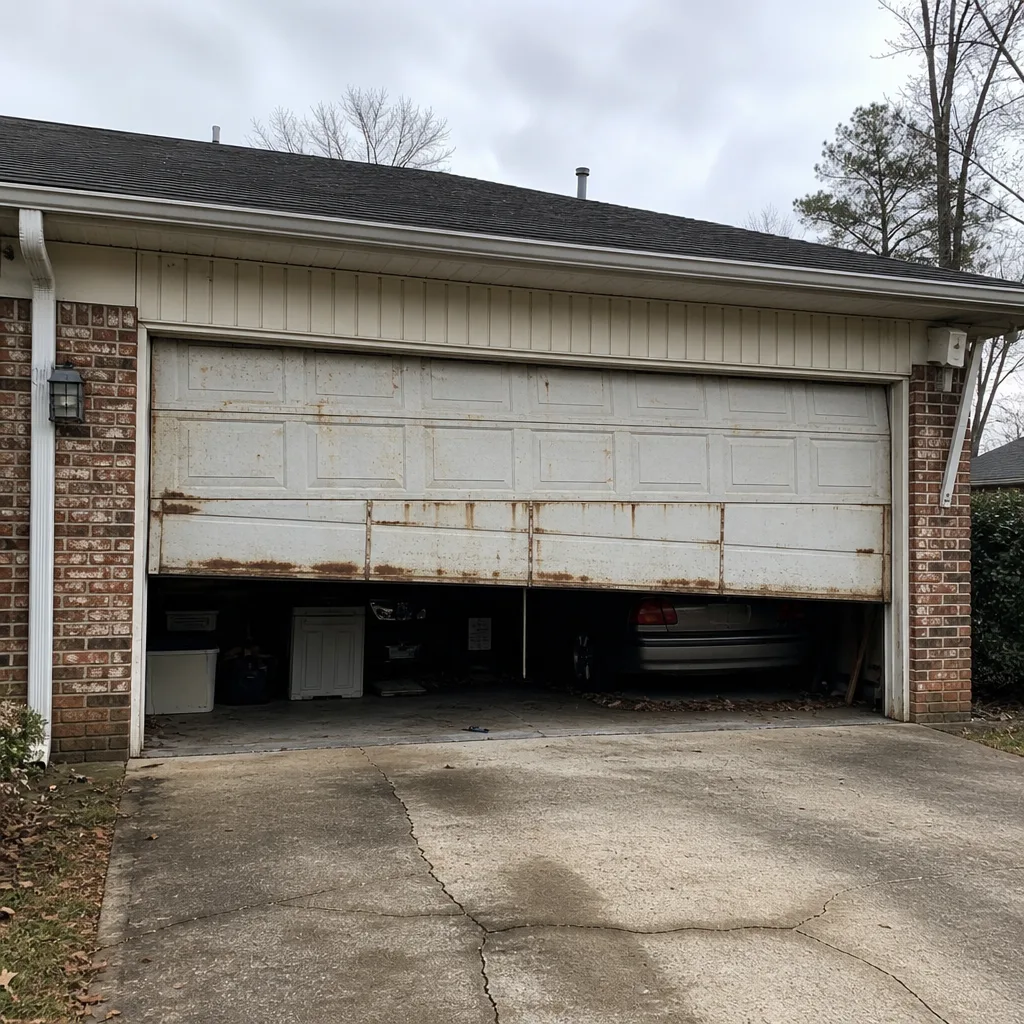 Before
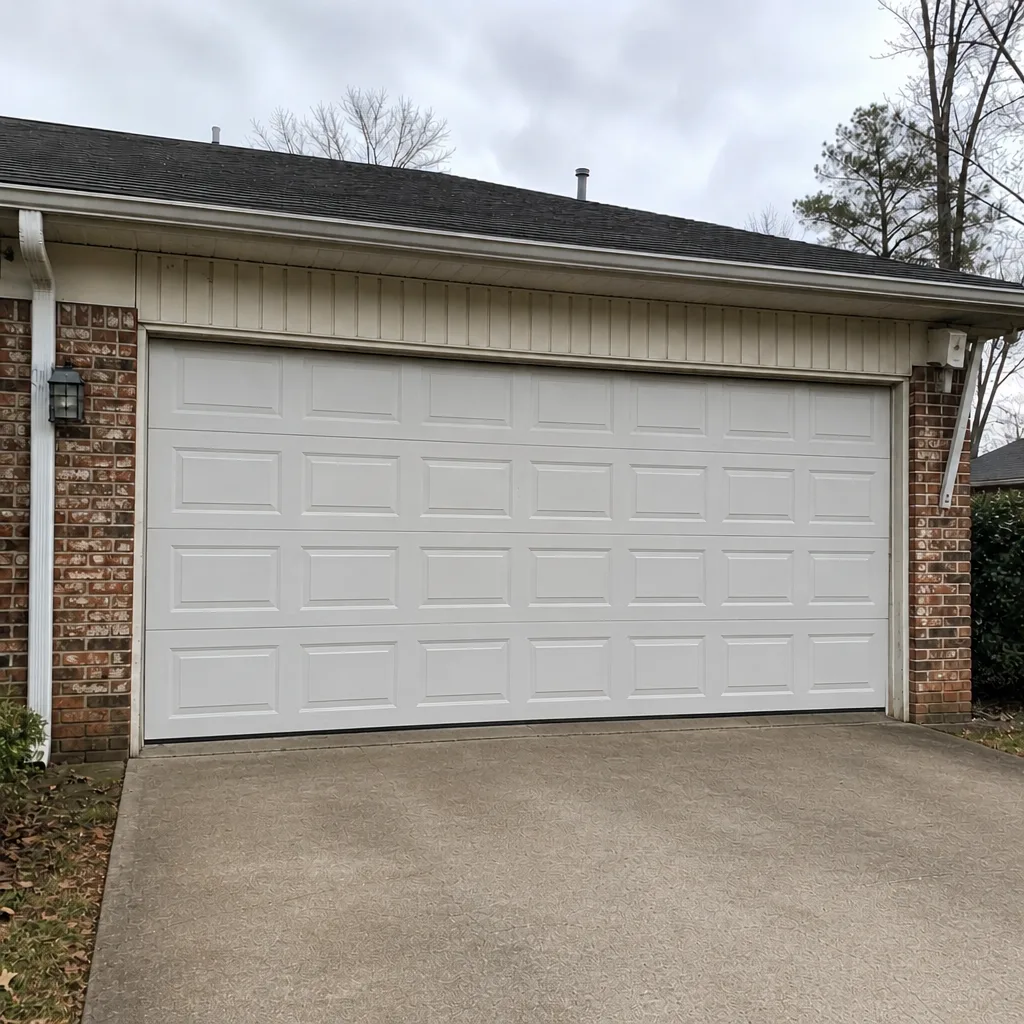 After
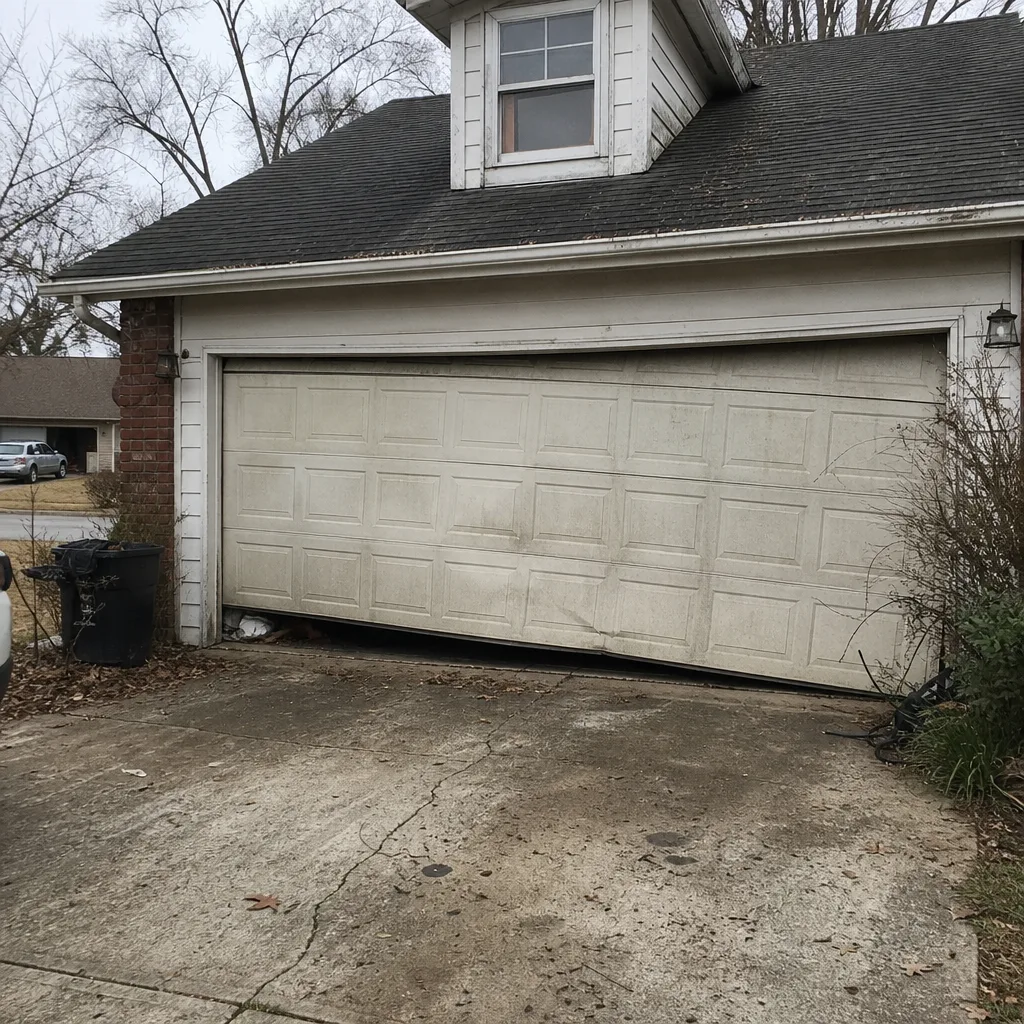 Before
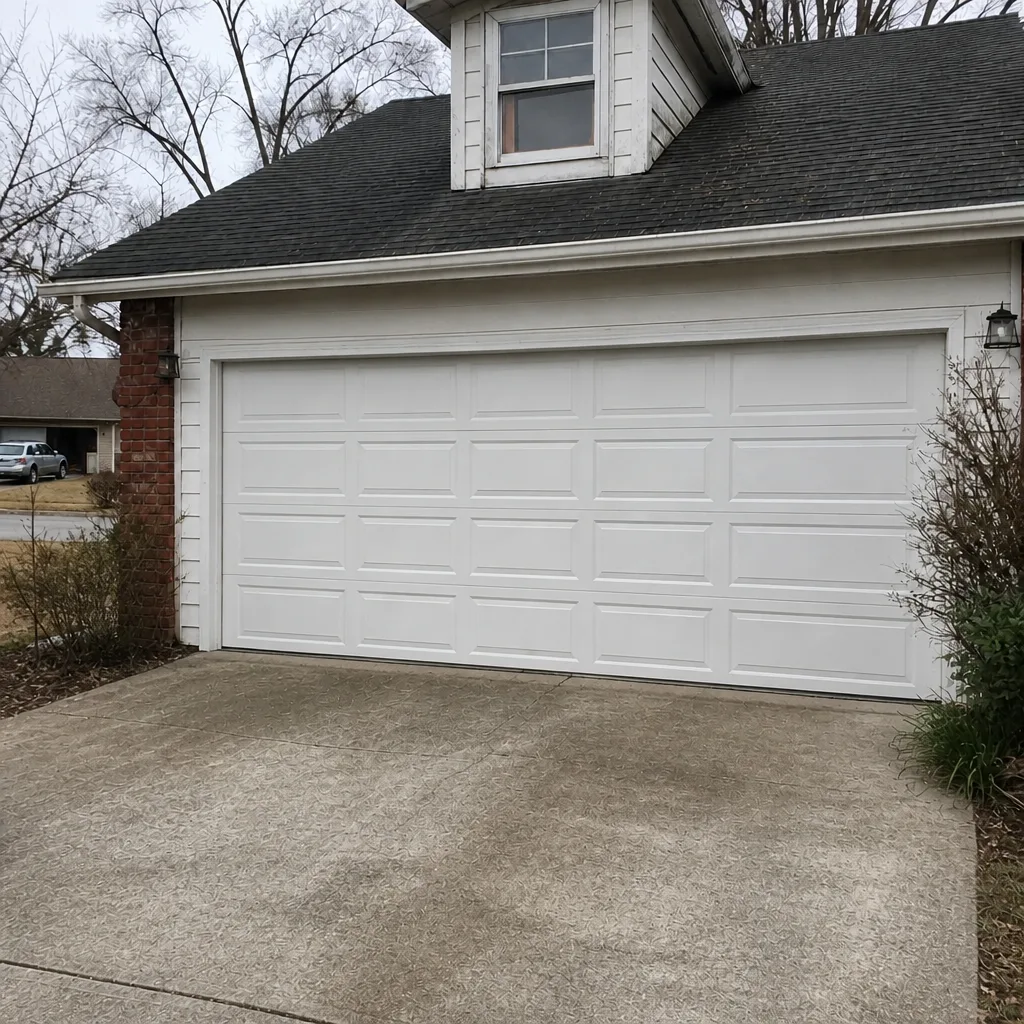 After
When to Call a Professional
Call in a professional when the door moves outside a straight same-size replacement, when the opening, header, or framing needs to change, when the door fails to run and the cause isn’t obvious, or when you’re dealing with fire separation and want the work done to code the first time. A qualified installer will flag structural issues before they become permits and inspections, and can help you prepare the door spec for HOA approval. Our technicians have up to 12 years of experience across the major brands, including LiftMaster, Chamberlain, Raynor and Craftsman, so we can usually give you a clear answer about what your project involves on the first call.
Hawthorne Garage Door Repair offers free estimates in Huntsville. Call (855) 632-2899. We answer 24/7. Fast dispatch from 7am to 7pm. The price is quoted and agreed before any work starts.
Frequently Asked Questions
Usually not. A same-size replacement of an existing garage door in Huntsville generally doesn’t require a building permit because it doesn’t change the structure. Structural work – widening an opening, cutting a new opening into a wall, changing the header, or converting the garage – does need a permit. Confirm with the City of Huntsville building department for your exact address before work starts. Call (855) 632-2899 for a free estimate on the installation itself.
Garage door replacement in Huntsville typically runs somewhere in the $800 to $2,500 range for a standard single door installed, with double doors and premium styles priced higher. Material, style, and any required structural framing move the number. The written estimate sets the final price, and the price is quoted and agreed before any work starts. Call (855) 632-2899 for an exact quote – estimates are free.
Not always. Many addresses with a Huntsville mailing address sit in unincorporated Madison County and follow the county’s building department instead of the city’s. If you’re not sure which applies to you, call the City of Huntsville building department or the Madison County building department with your property address and ask which one handles permits for your street.
No, not in neighborhoods with an active architectural review board. A garage door is visible from the street, which is exactly what those boards regulate, so a replacement needs approval even when the city doesn’t require a permit. Submit the door spec before you order, and get approval in writing. HOA rules and city codes are separate, and neither party will remind you about the other.
A buyer’s inspector who spots structural change without a matching permit history will usually flag it, and a flag can delay or renegotiate a closing. Resolving it retroactively means proving the existing work meets current code, which may require opening the wall. The safer path is to pull the permit before the work is done, or to address an outstanding permit before you list the home.
Garage door installers in Huntsville are typically required to hold an appropriate contractor license and carry liability insurance, and you should ask for proof of both before booking work. We connect Huntsville homeowners with licensed and insured professionals, and we’re happy to answer questions about how the process works. Call (855) 632-2899. We answer 24/7. Fast dispatch from 7am to 7pm, Sunday through Friday.
The Bottom Line
Most garage door replacement in Huntsville doesn’t need a permit. The exceptions are specific: widening an opening, cutting a new opening into an existing wall, changing a header, converting a garage, or touching fire separation between an attached garage and living space. Those need a permit and an inspection, and they’re the ones where skipping the process bites hardest at resale. Add an HOA architectural review on top if your neighborhood has one, and submit your door spec for approval before you order. The straightforward path is: confirm your jurisdiction, confirm the permit requirement, confirm HOA approval, then book the install. If you’re unsure which category your project falls into, a conversation before you commit saves time and money.
Hawthorne Garage Door Repair works on your brand, whatever system you have. We cover the major lines including Clopay, Amarr, LiftMaster, Chamberlain and Raynor, and we handle repair, opener specialist work, and full installation under one name. Repair or replace, we’ll tell you which one actually makes sense. Call (855) 632-2899 for a free estimate. We answer 24/7, with fast dispatch from 7am to 7pm, Sunday through Friday.
Written by the team at Hawthorne Garage Door Repair.