
Last updated November 16, 2026
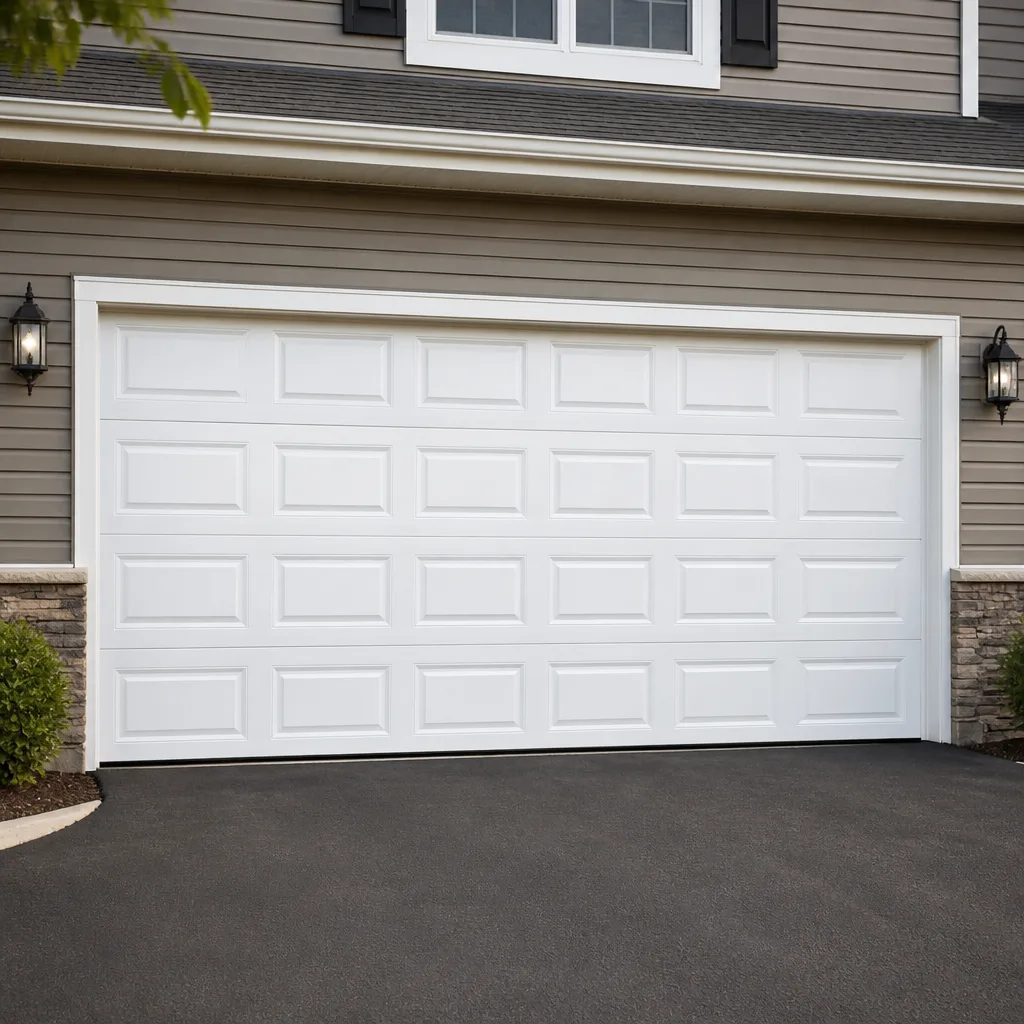 Raised-panel steel
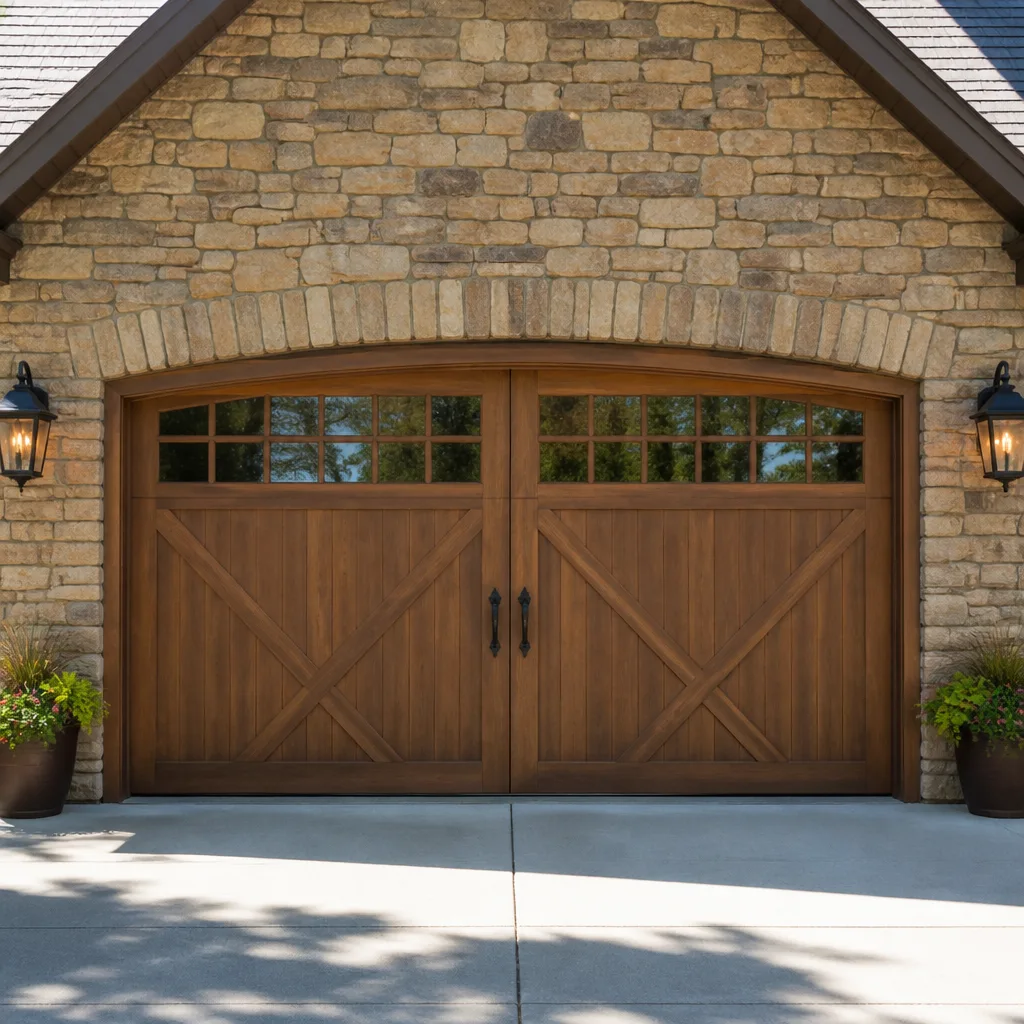 Carriage house
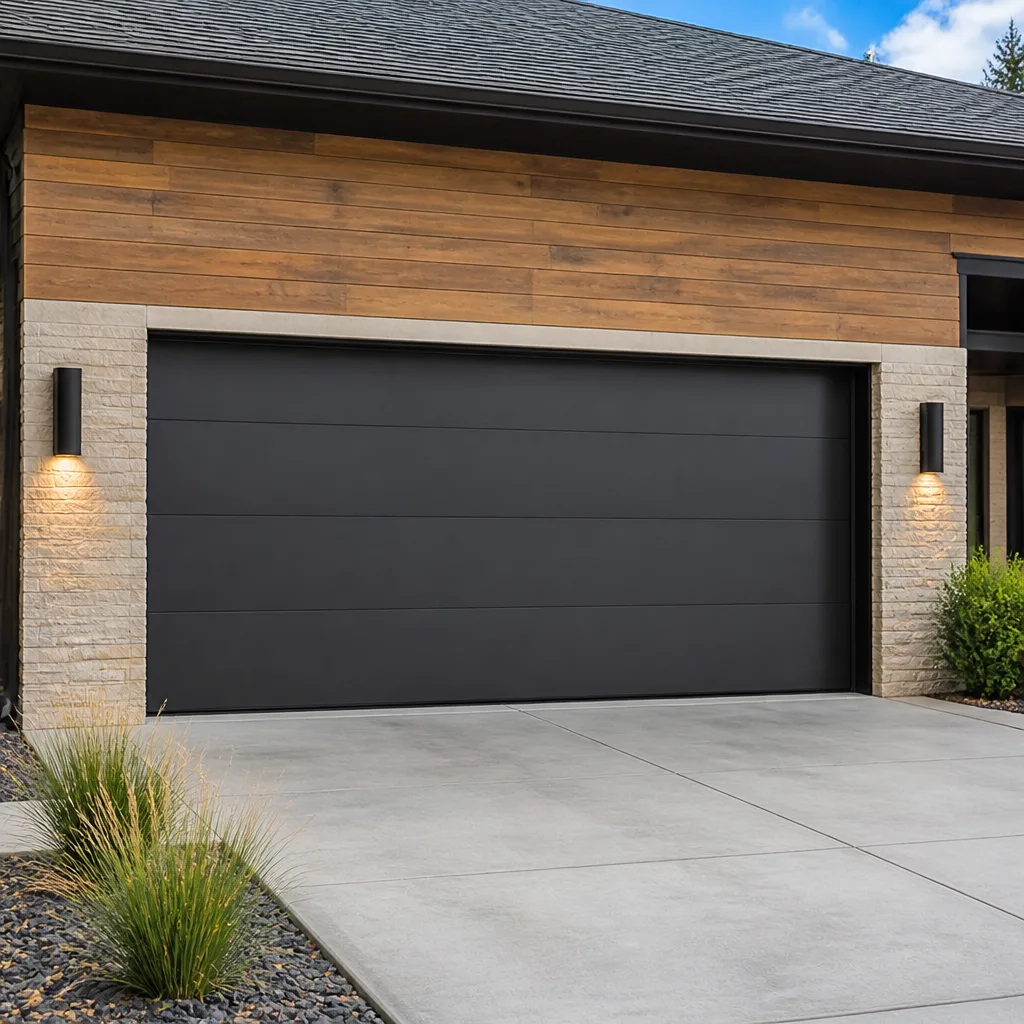 Modern flush
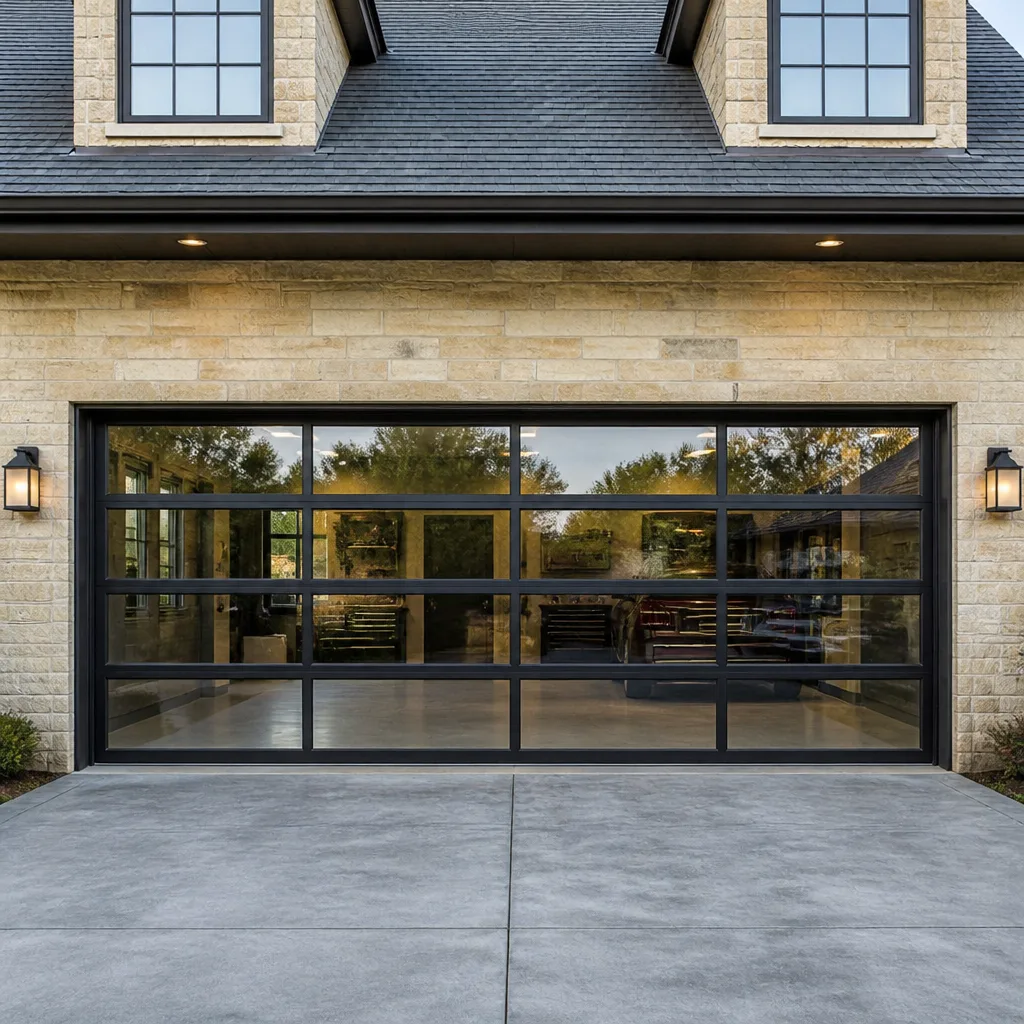 Full-view glass
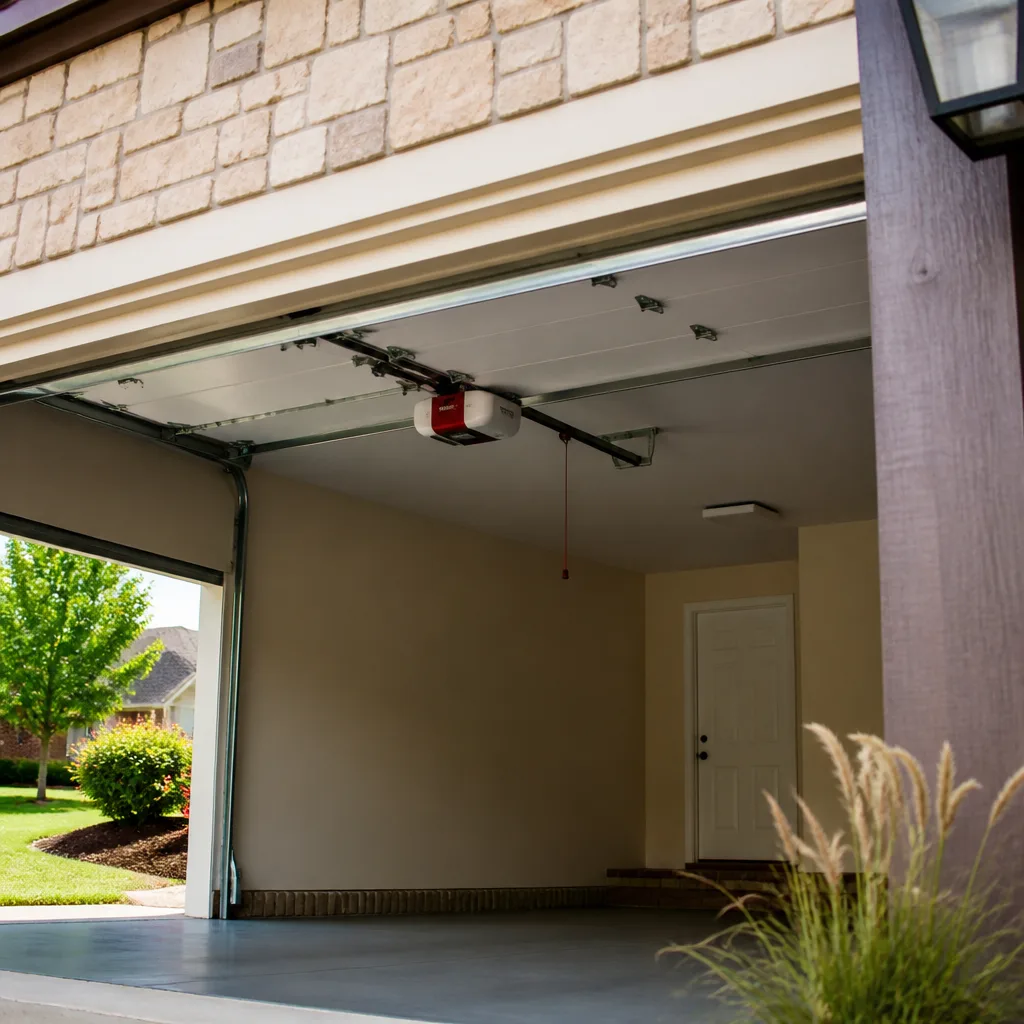 LiftMaster openers
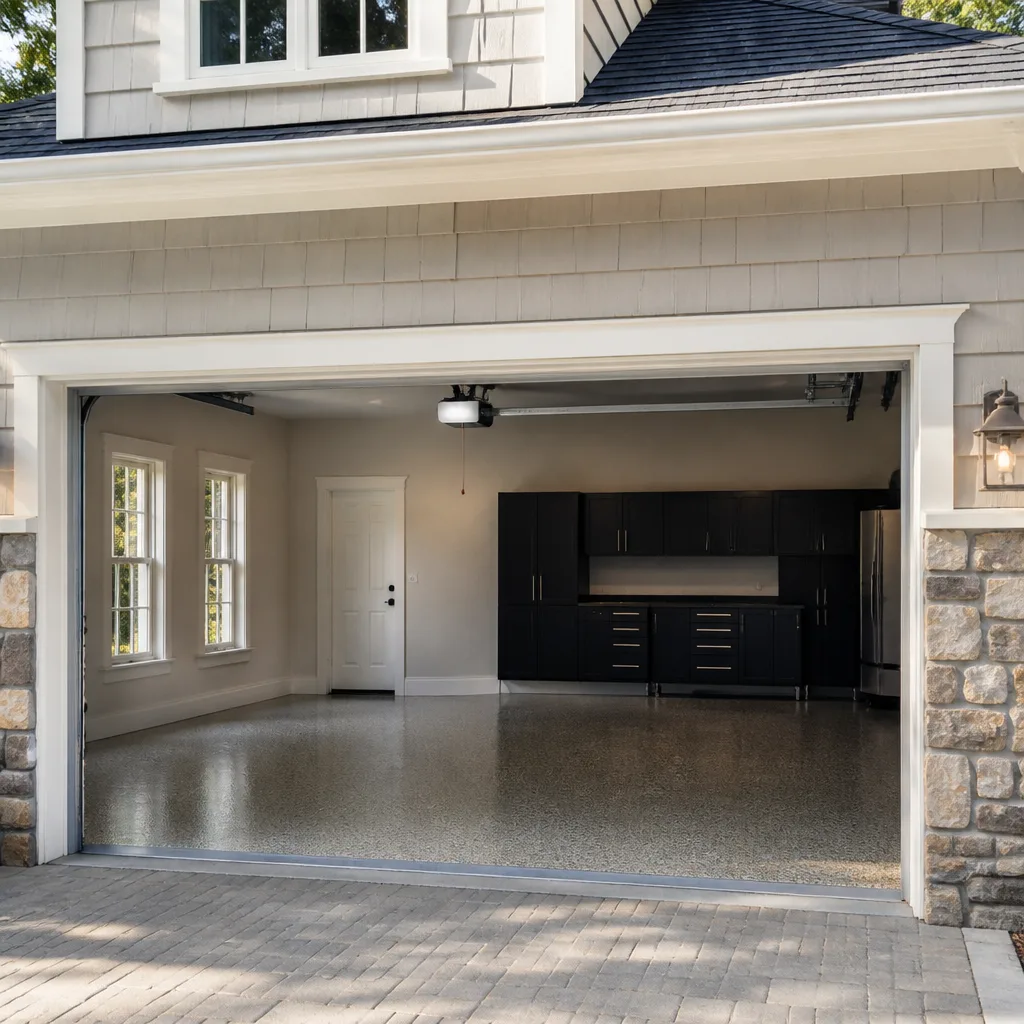 Chamberlain openers
Full 25-point door and opener safety check with every visit - springs, cables, rollers, tracks, and your LiftMaster or Chamberlain opener included
You get a price before we start. It does not change when the pro arrives.
Get your free estimateGarage Door Repair Maintenance Checklist for Huntsville Homeowners
The number one reason Huntsville garage doors fail early isn’t skipped maintenance. It’s the wrong maintenance on the wrong schedule. Most checklists floating around the internet were written for a mild, dry climate that doesn’t match ours. Huntsville throws a specific combination at a door: humid summers that swell wood and cook lubricant, freeze-thaw winters that are irregular rather than steady, and red clay dust that finds every greasy surface. A door tuned for Ohio or Arizona gets punished here. This guide walks through what actually goes wrong on Huntsville doors, when to check it, and how to spot trouble before it strands your car. We’ll cover lubrication timing, weatherstripping, springs, safety reversal, and the inspection points that matter most on older doors.
Quick Answer
A garage door in Huntsville needs lubrication every four to six months rather than the standard annual dose, weatherstripping checked before and after each freeze-thaw swing, a monthly auto-reverse test, and a spring and cable inspection twice a year. Doors installed before 2010 deserve a closer look at the torsion spring and safety hardware, since older setups may not meet current standards. If anything looks worn, bent, or frayed, stop operating the door and have it looked at by a trained technician.
Styles & brands we work with
- Raised-panel steel
- Carriage house
- Modern flush
- Full-view glass
- LiftMaster openers
- Chamberlain openers
Table of Contents
- Lubrication on a Huntsville Schedule
- Weatherstripping and the Freeze-Thaw Cycle
- Spring Tension Checks for Attached Garages
- Testing Auto-Reverse Before Storm Season
- Inspection Points for Doors Installed Before 2010
- Your Monthly Five-Minute Routine
- A Seasonal Calendar for Huntsville
- Common Mistakes to Avoid
Lubrication on a Huntsville Schedule
Here’s the counterintuitive part: in Huntsville, more lubrication is not better. Our summer heat and humidity make a lot of homeowners over-lubricate, and that backfires. Excess grease turns into a magnet for red clay dust and grit, which then grinds between the rollers and the track. The result is a door that runs louder and wears faster than one that was lubricated correctly and less often.
Standard advice says lubricate once a year. In our experience across Huntsville, a four-to-six-month interval fits this climate better because the heat breaks down lighter lubricants faster. The trick is using the right product and not overdoing it.
What to Lubricate and How Often
- Hinges and rollers: A light spray of a garage-door-specific lubricant every four to six months. One short burst per hinge pivot is enough.
- Torsion spring: A thin coat on the coils every six months helps limit rust in our humid summers. Don’t soak it.
- Track: Never grease the track itself. Wipe it clean with a dry cloth and leave it dry. Grease on the track collects clay dust and turns into paste.
- Opener rail and chain: Follow your opener brand’s guidance. LiftMaster and Craftsman units generally call for a specific chain or belt lubricant, and using the wrong one causes more problems than it solves.
If your door lives on a south- or west-facing wall that takes the afternoon sun, expect the lubricant to break down faster. That’s a Huntsville-specific reality, since a door baking in direct summer heat will dry out a light spray within weeks.
Signs You’ve Over-Lubricated
- A gritty, grayish film on the tracks and rollers
- Loud grinding that gets worse after you add lube
- Dirt sticking to the hinges instead of falling away
If you see any of these, wipe everything down before adding more. When the noise doesn’t clear up after a proper cleaning and re-lube, that’s usually a worn roller or a tired spring rather than a lubrication problem. That’s when it’s worth scheduling garage door repair so a technician can diagnose it properly.
Weatherstripping and the Freeze-Thaw Cycle
Huntsville’s winter is the tricky one. It’s not a long, steady cold like you’d get farther north. Instead we get stretches of mild days and then a hard freeze that rolls in fast, sometimes with ice. That irregular freeze-thaw pattern is harder on weatherstripping than consistent cold, because the rubber and vinyl seals expand and contract repeatedly and never get a chance to settle.
What that means for you: check the bottom seal and the perimeter seals before the first freeze and again after the last one. A seal that looks fine in October can crack by February.
How to Check the Bottom Seal
- Close the door and look at the gap between the door and the floor from inside. If you can see daylight, the seal is worn or the door is sitting too high.
- Run your hand along the rubber flap. It should flex and spring back. Cracked or stiff rubber won’t seal.
- Check the sides and top for gaps, especially on older doors where the frame may have shifted with the soil.
Why This Matters in Huntsville
When the bottom seal fails, two things happen. Cold air and moisture get in, which is a comfort issue. More importantly, water can reach the door’s bottom section and the hardware, which speeds up rust and swelling on wood doors. An ice storm with a compromised seal can let water freeze into the gap and put stress on the panel when the door moves.
Replacing a bottom seal is one of the least expensive maintenance items, and it’s the one most Huntsville homeowners skip because they don’t see it from the driveway. If your door has a Wayne Dalton or Raynor bottom seal, the replacement needs to match the profile, which is exactly the kind of part a brand-aware technician keeps on hand. For anything that doesn’t flex back, call us and we’ll tell you whether it’s a seal swap or a bigger adjustment.
Spring Tension Checks for Attached Garages
This is the section most checklists miss, and it matters in Huntsville. Most homes here have an attached garage, and the garage shares a wall and a ceiling plane with the house. That means your HVAC system is cycling air year-round and pushing warm, then cool, then warm again through the space. The steel torsion spring expands and contracts with it many times a day.
Every HVAC cycle is a small stress event on the spring. Over a season, that adds up. It’s one reason we recommend checking spring health twice a year rather than once in a detached structure.
How to Check Spring Health Safely
Torsion springs are under extreme tension and can cause serious injury if handled. Do not try to adjust, wind, or unwind them yourself. A trained technician uses the right bars and has the tools to do it safely.
What you can safely do is a visual check:
- Look at the torsion spring above the door (the coiled spring on a metal shaft). Look for a visible gap. A spring that has broken usually has a clean separation in the coil.
- Test the door by hand only with the opener disconnected and the door in the fully down position, lifting it a few inches and letting go. If it feels unusually heavy or won’t stay put, stop and call.
- Listen for a loud bang from the garage. That’s the sound of a torsion spring letting go.
An unbalanced or tired spring puts stress on the opener and the door panels. When it goes, it often goes all at once. If you’re hearing groaning or the door feels heavier than it used to, that’s a sign to have it inspected before it fails at an inconvenient moment.
Testing Auto-Reverse Before Storm Season
Alabama’s storm season is real, and a garage door that doesn’t reverse on contact is a genuine safety problem. The auto-reverse test is the single most important thing a homeowner can check on their own, and it takes about a minute. Do it monthly, and definitely before spring storms roll through.
How to Test Auto-Reverse
- Place a 2×4 flat on the ground in the center of the door opening.
- Close the door with the wall control or remote.
- When the door hits the board, it should reverse and go back up immediately. If it stops or keeps pressing down, the sensitivity is off.
- Test the photo-eye safety sensors too: with the door open, wave an object in front of the sensors. The door should not close, or if already closing, it should reverse.
Adjusting Sensitivity
Most openers have a sensitivity or force adjustment on the back panel or the motor head. On a LiftMaster or Genie unit, the adjustment is usually clearly marked. If you make a small adjustment and the door still doesn’t reverse properly, stop and have it checked. A door that doesn’t reverse is a hazard to kids, pets, and anyone standing near it.
If the opener is older and its safety reverse system is unreliable, that’s also a moment to think about whether the opener itself is due for replacement. Our garage door opener repair service exists because the electronics inside an opener fail in ways that aren’t obvious from the outside. The reverse system is often the first thing to get sloppy, and a door isn’t safe until it’s fixed.
Inspection Points for Doors Installed Before 2010
If your Huntsville home was built before 2010, or the door came with the house and you’re not sure of its age, take a closer look. Older doors predate some of the hardware and safety features that are standard today, and a few of the differences are worth knowing about.
This isn’t about scaring you into replacing a door that works fine. It’s about knowing what’s under the hood so you can plan ahead. In our experience, a well-maintained older door can run for years. The key is catching the wear points before they turn into failures.
Specific Things to Inspect
- Cables: Look for fraying, rust, or a cable that’s coming off the drum. Frayed cables are a real danger and should never be handled by a homeowner.
- Rollers: Old steel rollers wear flat spots, which makes the door jump and rattle. Nylon rollers are a common upgrade and quiet things down noticeably.
- Torsion spring setup: Older doors sometimes used a single spring or lighter-gauge springs. If a spring has broken before and been replaced, check that it was matched properly.
- Hardware: Rusted hinges and bent brackets are common on pre-2010 doors in our humid climate. These are cheap to replace and prevent bigger problems.
If the inspection turns up enough wear that repair stops making financial sense, we’ll tell you that plainly. That’s the “repair or replace” conversation, and we’d rather have it before the door fails. Our Hawthorne Garage Door Repair team services LiftMaster, Chamberlain, Genie, Clopay, Amarr, Wayne Dalton, Craftsman, and Raynor equipment, so whether your older door needs a part or a full new setup, one call covers both directions.
Your Monthly Five-Minute Routine
You don’t need to do a full inspection every month, but a quick walk-around keeps small problems from turning into expensive ones. Here’s a routine that fits into five minutes and covers the highest-risk items.
- Run the door and listen. A door that sounds different than it did last month is giving you a heads-up.
- Test the auto-reverse with the 2×4 method described above.
- Look at the rollers and hinges for visible wear, rust, or grit.
- Check the track for dents, bends, or loose mounting bolts.
- Peek at the spring and cables (visual only) for gaps, fraying, or rust.
- Test the photo-eye sensors by waving an object in front of them.
Write down anything that looks off. A photo on your phone works too. When you call for service, being able to say “the bottom right roller is grinding and there’s a gap in the spring” saves time and helps whoever comes out bring the right parts.
A Seasonal Calendar for Huntsville
Rather than a generic list, here’s a schedule mapped to how Huntsville’s seasons actually affect a garage door. This is where the local angle pays off, because the timing is different from what you’d read on a national home-maintenance site.
Spring (Before Storm Season)
- Test auto-reverse and photo-eye sensors thoroughly
- Clean and re-lubricate hinges and rollers after the winter grit
- Check the bottom seal for winter cracking
- Look for loose bolts on the track and opener
Summer (Heat and Humidity)
- Re-lubricate on the shorter four-to-six-month interval
- Check the door for warping or swelling if it’s a wood door
- Wipe down tracks that have collected clay dust and grit
- Listen for new noise from the opener in heat (opener motors work harder when it’s hot)
Fall (Before First Freeze)
- Inspect weatherstripping while it’s still pliable
- Check spring health before the HVAC runs hard in the cold
- Tighten any hardware loosened by summer
- Test balance so winter ice doesn’t stress an out-of-balance door
Winter (Freeze-Thaw Watch)
- Check the bottom seal after each hard freeze
- Keep the track clear of ice and debris
- Watch for sticking or slow response in cold weather
- Re-test auto-reverse if the door has been sluggish
If a door stops working entirely, call us. We answer 24/7, and a call outside dispatch hours is booked into the next opening, Sunday through Friday, 7am to 7pm. Same-day service is often possible for repairs in Huntsville.
Common Mistakes to Avoid
- Greasing the tracks. It feels like it should help, but in Huntsville it collects red clay dust and turns into a grinding paste. Keep tracks clean and dry.
- Over-lubricating because the door is loud. Noise is usually a worn roller or spring, not a lubrication shortage. Adding grease can mask the real problem until it fails.
- Ignoring the bottom seal after winter. A cracked seal lets moisture in and can let ice form under the door. Check it after each freeze.
- Adjusting springs on your own. Torsion springs are under extreme tension and can cause severe injury. Leave winding and unwinding to a trained technician.
- Assuming a reverse-test failure is a minor thing. A door that doesn’t reverse on contact is a hazard. Fix it before storm season, not after.
- Replacing parts without matching the brand. A generic roller or spring may fit but won’t perform like the original. On a Wayne Dalton, Raynor, or other specific system, the part needs to match.
- Waiting for a full failure. A door that’s been groaning for months is telling you something. Catching it early is cheaper and safer than an emergency call.
One more: don’t use WD-40 on hinges and rollers and call it done. It’s a light solvent, not a long-lasting lubricant, and it disappears fast in our summer heat.
When to Call a Professional
Some jobs are fine to handle yourself: wiping down tracks, testing auto-reverse, cleaning the photo-eye lenses, and even replacing a bottom seal on many doors. But several situations genuinely call for a trained technician. Springs and cables are the big two, because the tension involved can cause serious injury. A door that’s out of balance, won’t reverse properly, or makes a loud bang is another. So is an opener that responds erratically or a door that’s come off its track. If you’ve tried a cleaning and re-lube and the noise is still there, or if anything looks frayed or bent, stop operating the door and have it looked at. Hawthorne Garage Door Repair offers free estimates in Huntsville – call (855) 632-2899. We answer 24/7. Fast dispatch from 7am to 7pm, Sunday through Friday.
See the difference
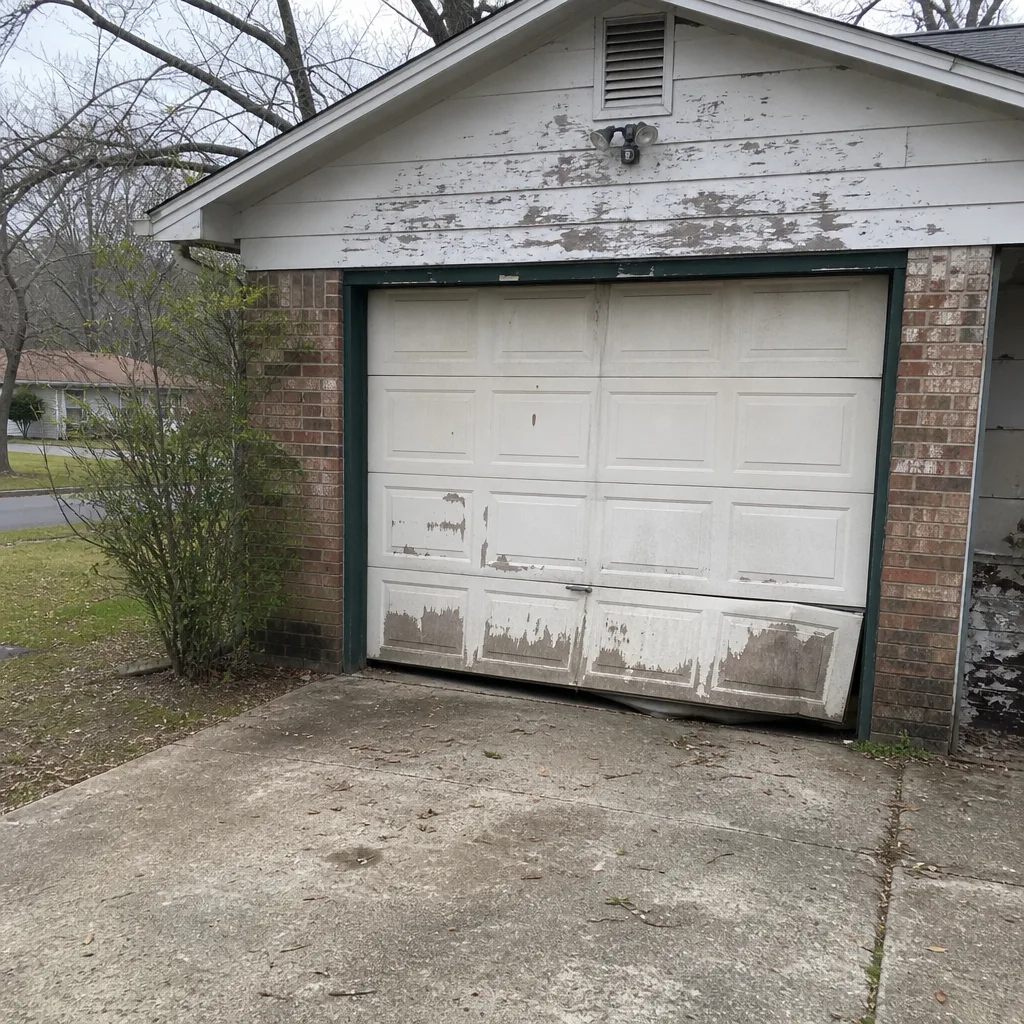 Before
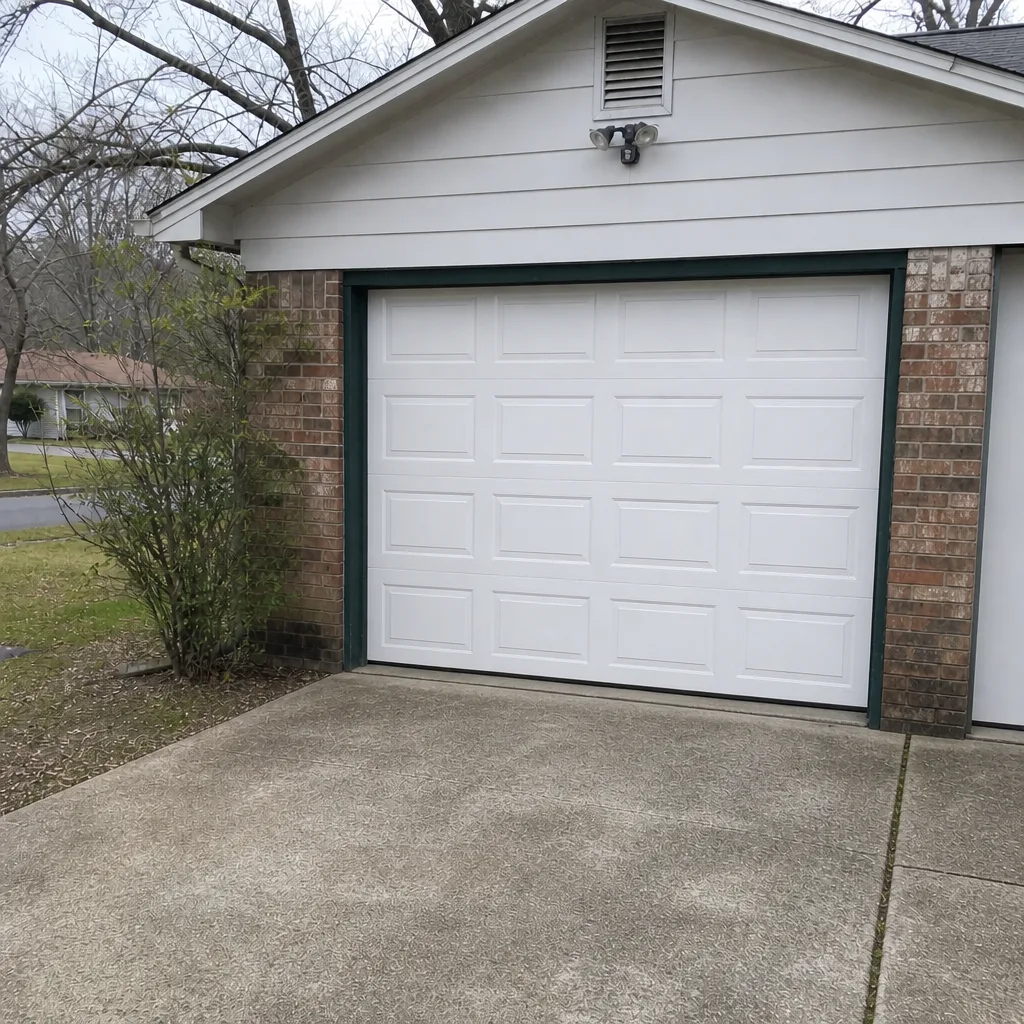 After
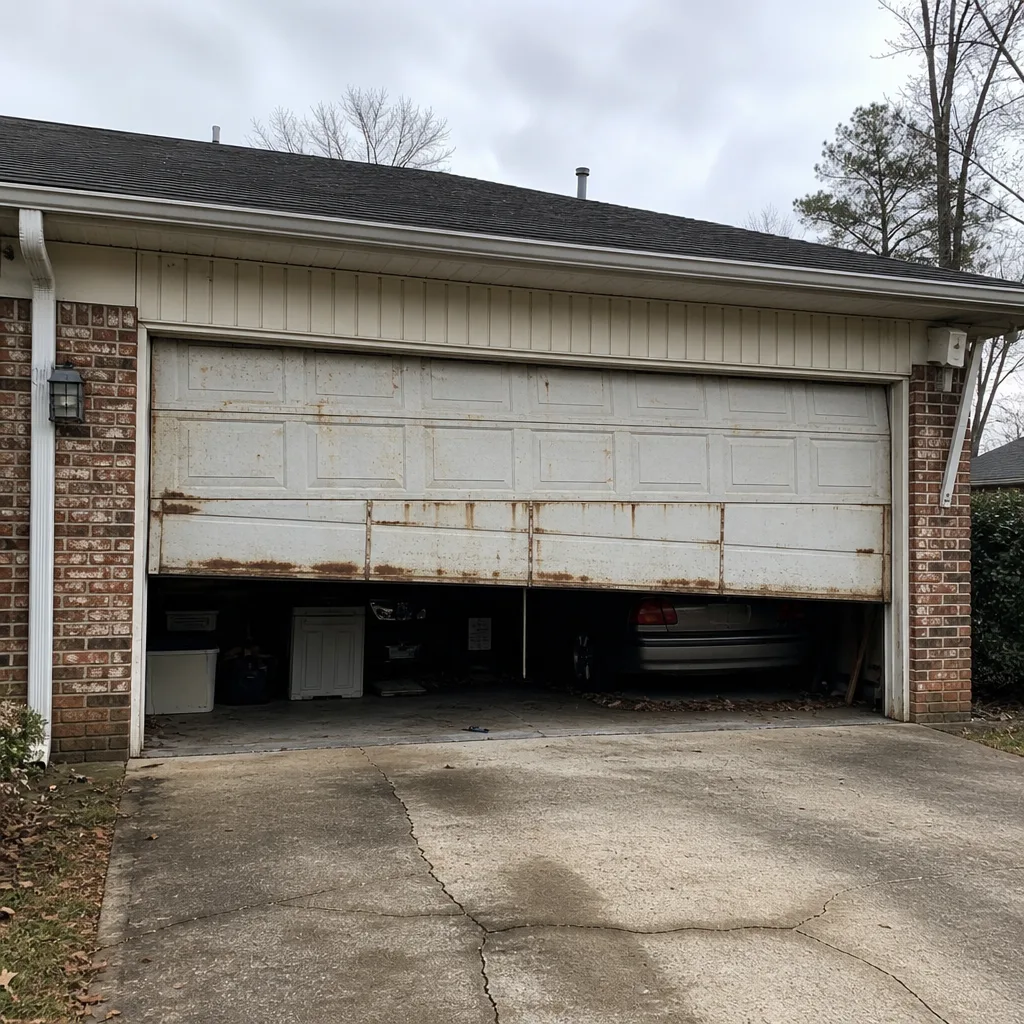 Before
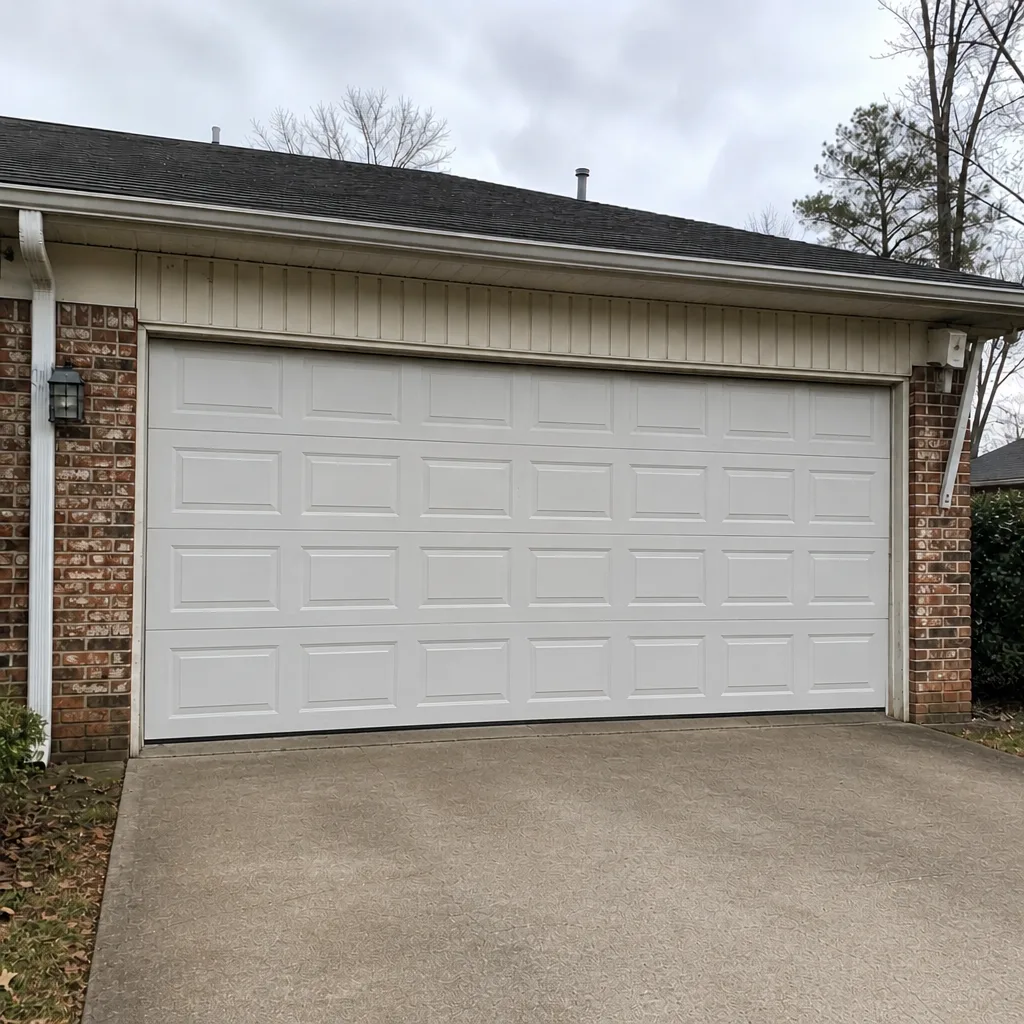 After
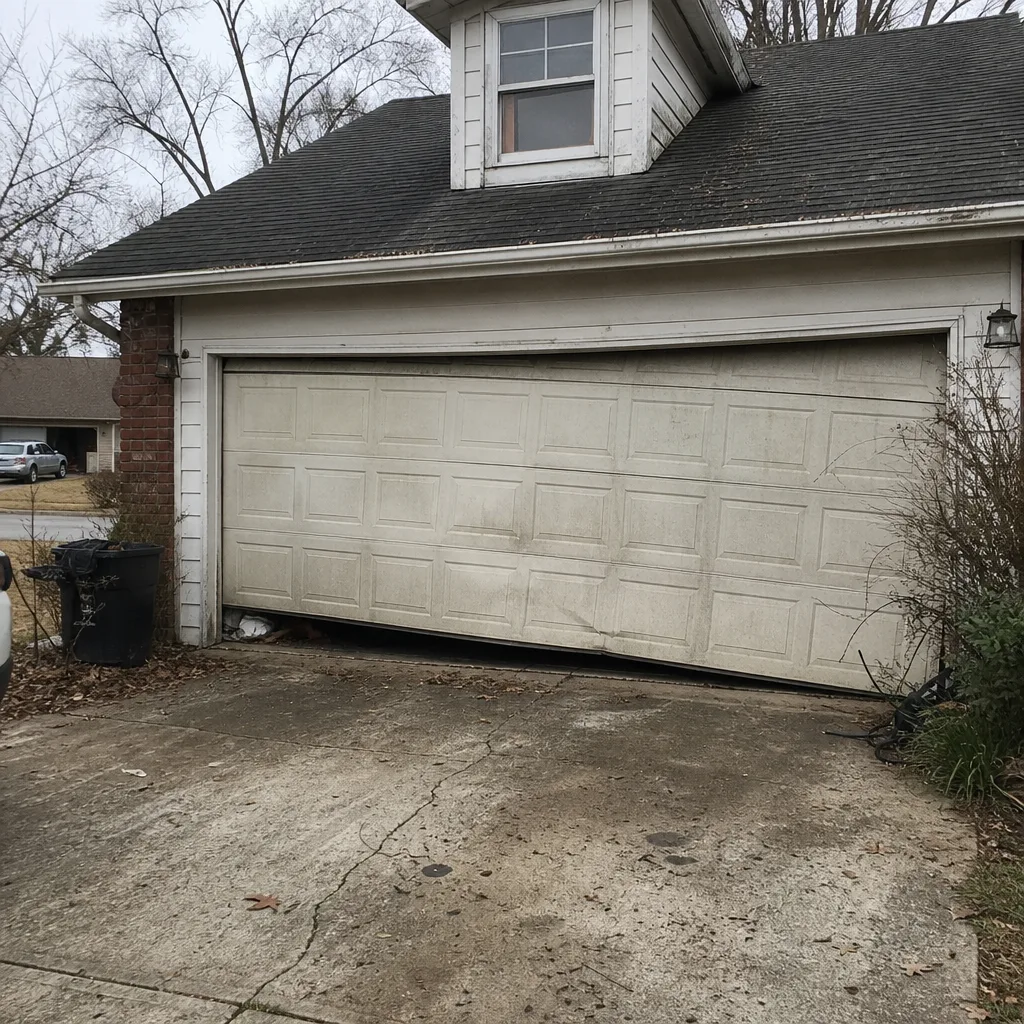 Before
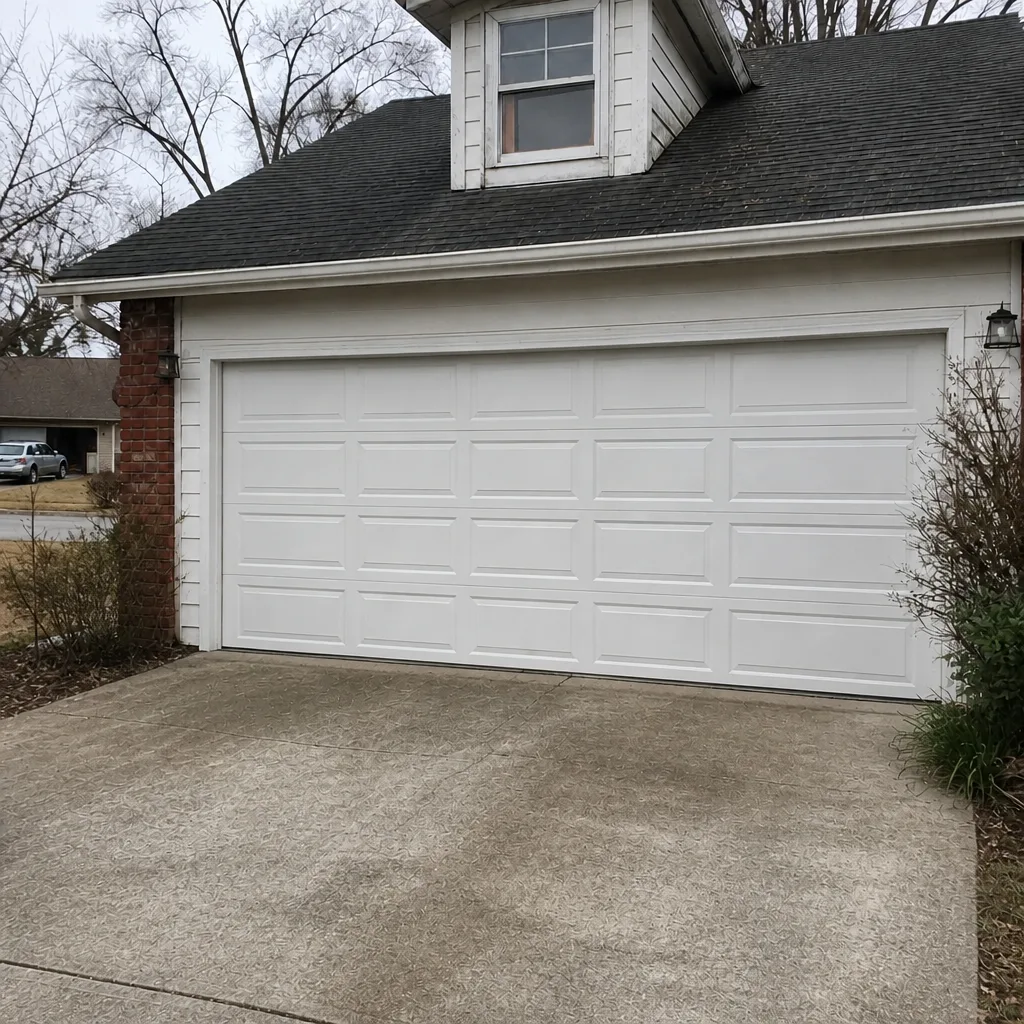 After
Frequently Asked Questions
Every four to six months is the right interval in Huntsville, rather than the once-a-year schedule you’ll see in most national guides. Our humid summers break down lighter lubricants faster, and the extra heat accelerates everything. Over-lubricating is a real risk here, so use a garage-door-specific product and don’t soak the parts.
They can be, largely because most Huntsville homes have attached garages and the HVAC cycling stresses springs through constant expansion and contraction. Our freeze-thaw winters add another round of stress. That’s why we recommend checking spring health twice a year rather than once.
No. Torsion springs are under extreme tension and can cause serious injury if handled incorrectly. A trained technician has the right bars, tools, and experience to make adjustments safely. What you can do safely is a visual check for gaps or rust, plus a listen for unusual noise.
Test the auto-reverse and photo-eye sensors. Place a 2×4 flat on the ground in the center of the door opening and close the door. It should reverse immediately when it hits the board. If it doesn’t, stop and have it checked before storms arrive.
Check the cables for fraying, the rollers for flat spots, and the torsion spring setup for any signs of wear. Older doors often have steel rollers and lighter springs that have lived through many Huntsville summers. A visual inspection now can prevent a failure later.
If the wear is isolated to a few parts like rollers, hinges, or a seal, repair usually makes sense. If the door itself is warped, the panels are rusted through, or the springs have failed repeatedly, replacement is worth considering. We’ll give you a straight answer either way and a written estimate so you know the price before any work starts.
The Bottom Line
A garage door in Huntsville needs a maintenance schedule built for this specific climate, not a generic one. That means lubrication every four to six months, weatherstripping checks tied to the freeze-thaw cycle, twice-a-year spring inspections on attached-garage doors, monthly auto-reverse tests, and a careful look at pre-2010 hardware. The goal isn’t to do everything yourself. It’s to catch the problems early, know which ones need a trained hand, and avoid the mistakes that cause premature wear. Keep the routine, and your door will run quieter and last longer. For anything beyond a wipe-down or a sensor test, call us at (855) 632-2899.
More Huntsville Garage Door Guides
- Huntsville garage door service overview
- Garage door repair for same-day fixes and diagnostics
- Garage door opener repair for opener-specific diagnostics
- Hawthorne Garage Door Repair for installation and brand-matched service
Contact
Have a door that’s giving you trouble, or want a free estimate on a repair, opener fix, or full replacement? Call Hawthorne Garage Door Repair at (855) 632-2899. We work on major brands including LiftMaster, Wayne Dalton, Craftsman, and Raynor. We answer 24/7. Fast dispatch from 7am to 7pm, Sunday through Friday.
Written by the team at Hawthorne Garage Door Repair.