
Last updated November 16, 2026
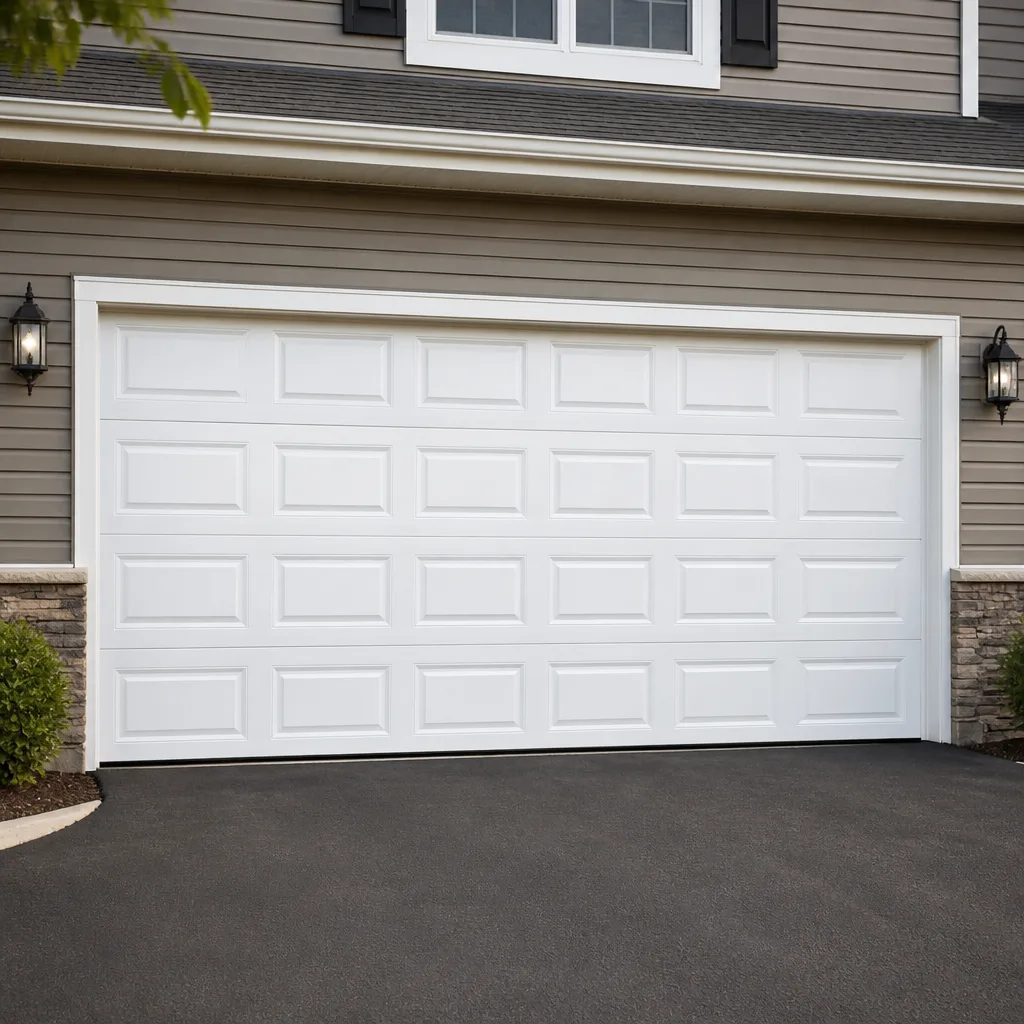 Raised-panel steel
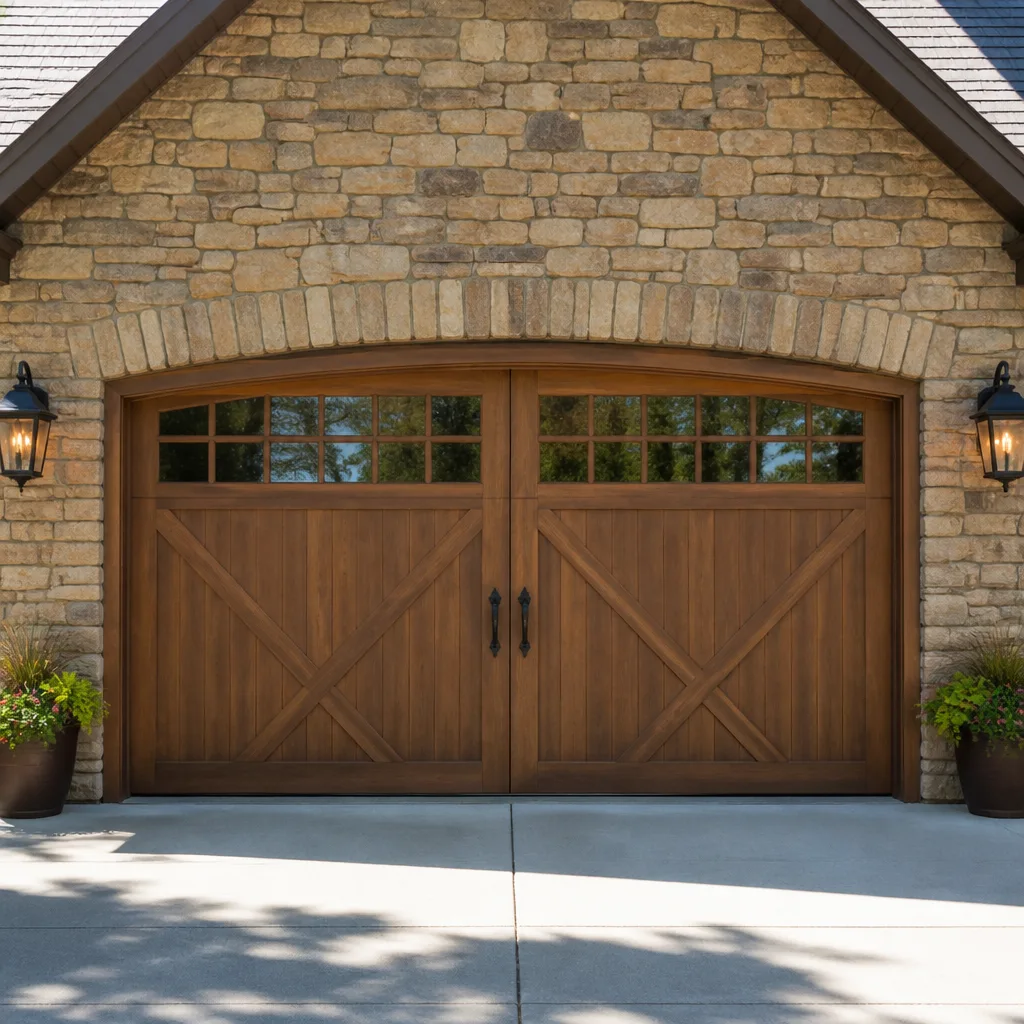 Carriage house
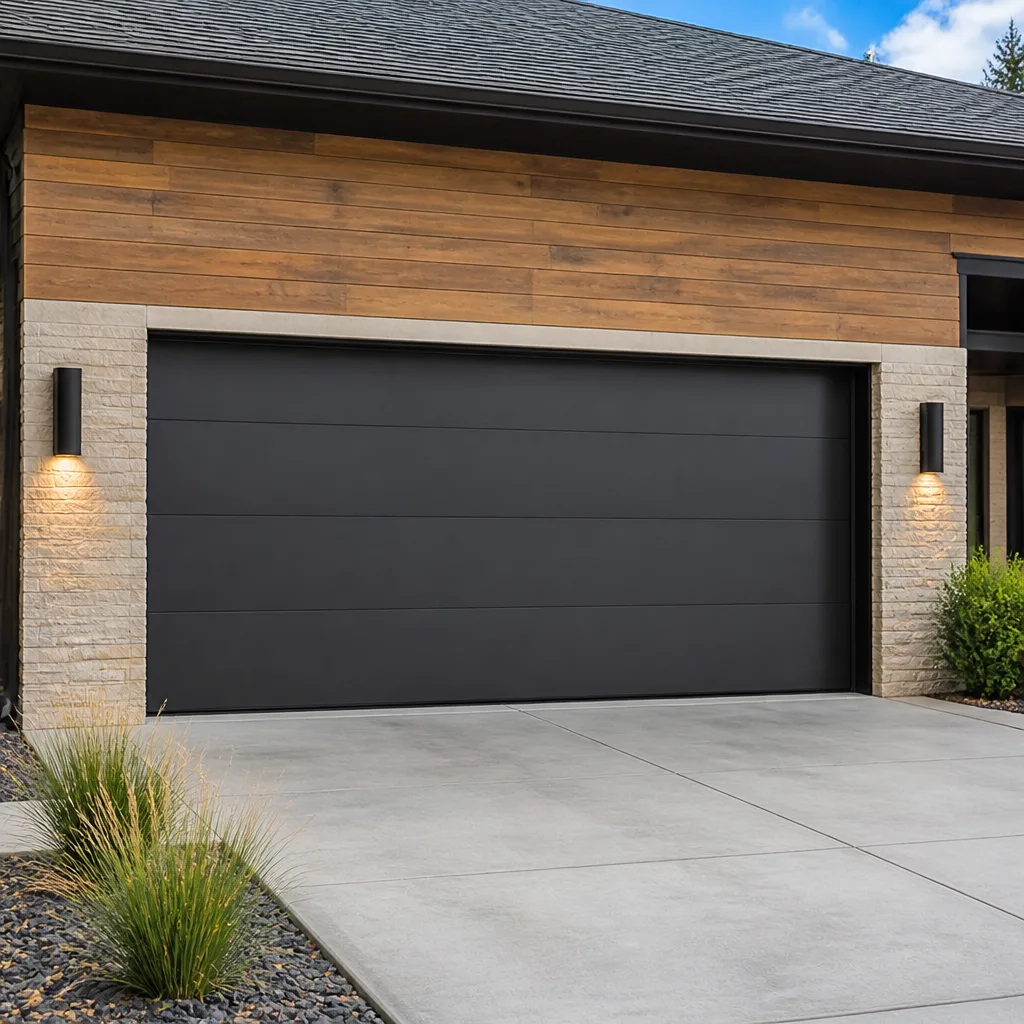 Modern flush
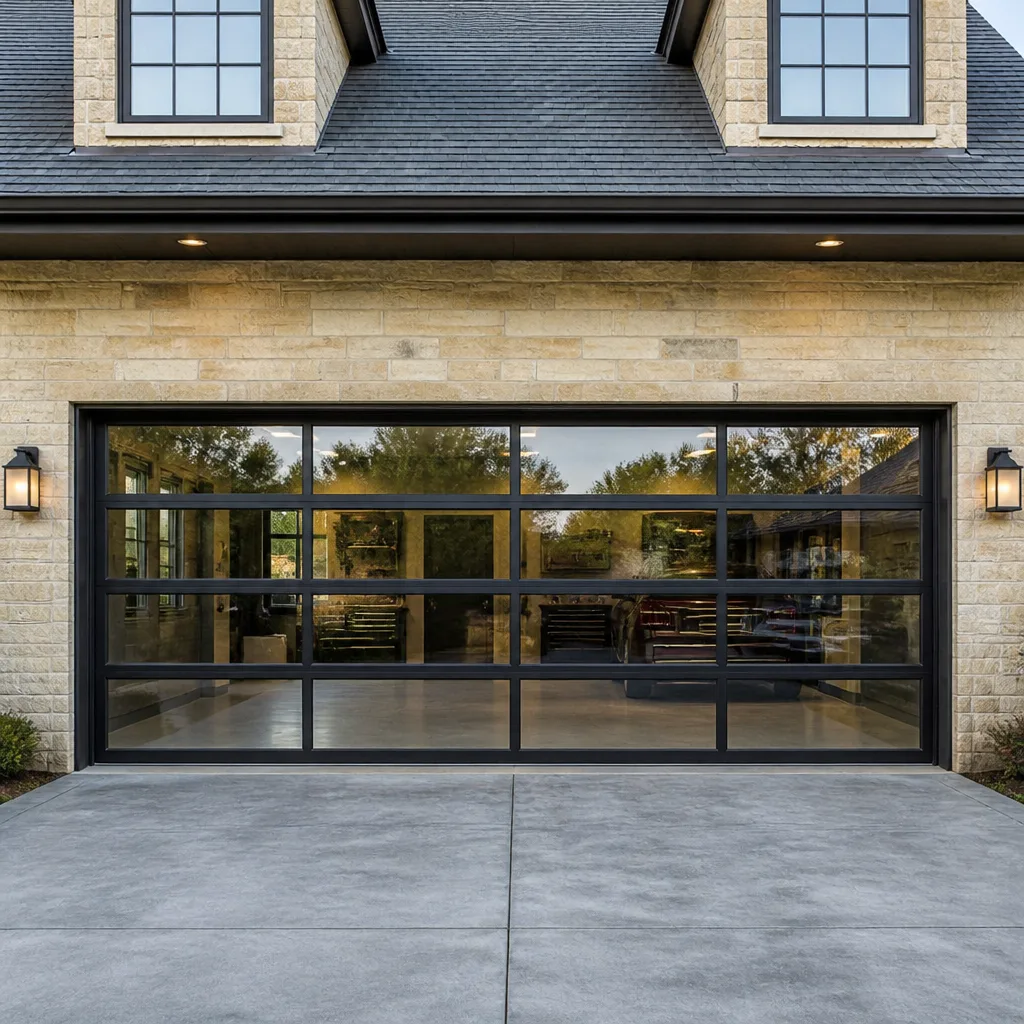 Full-view glass
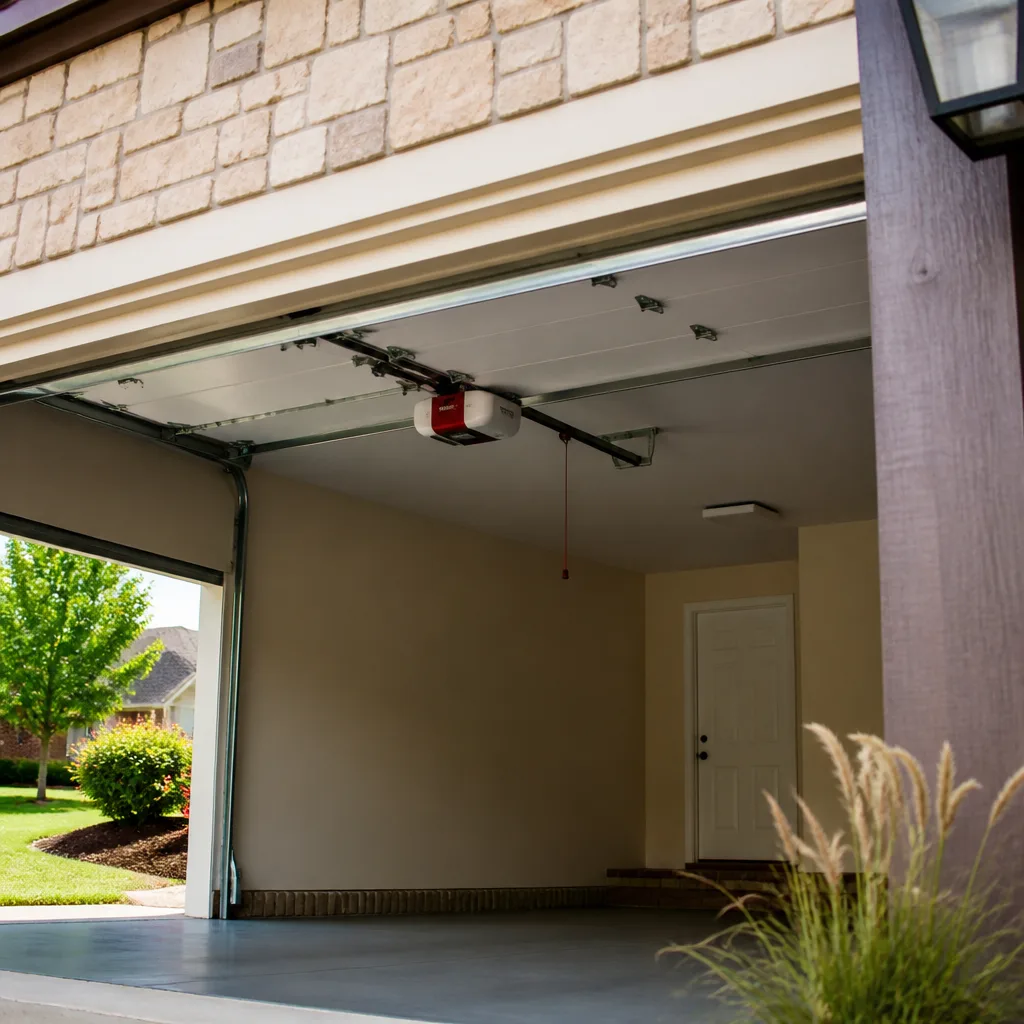 LiftMaster openers
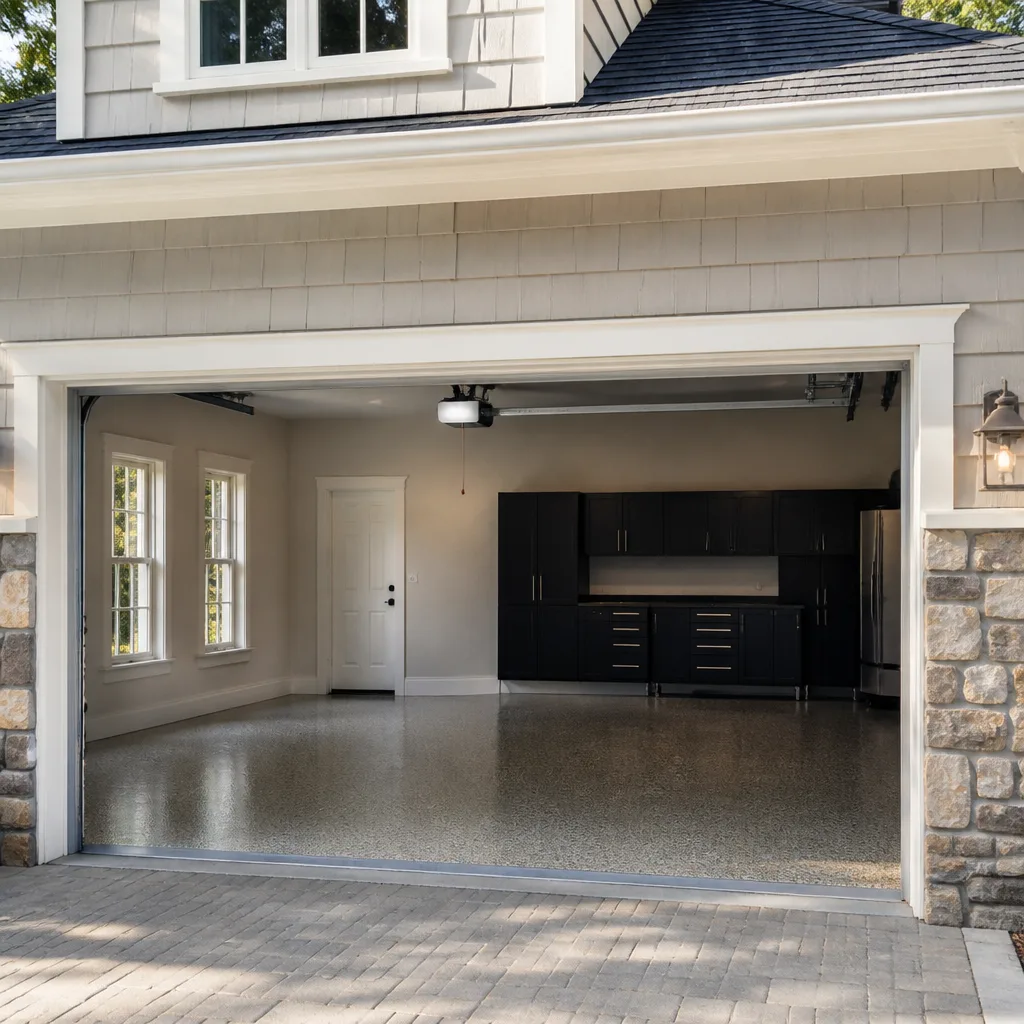 Chamberlain openers
Full 25-point door and opener safety check with every visit - springs, cables, rollers, tracks, and your LiftMaster or Chamberlain opener included
You get a price before we start. It does not change when the pro arrives.
Get your free estimateSeasonal Garage Door Care for Huntsville: Year-Round Homeowner’s Guide
Most garage door maintenance advice assumes four tidy seasons: a spring tune-up, a summer check, a fall prep, a winter rest. Huntsville doesn’t work that way. This part of Alabama can hand you a 70-degree February afternoon and then drop into a hard freeze the following week, which means a door that ran fine on Sunday can bind, groan, or refuse to move by Thursday. The calendar-based approach misses the real risk here: volatility, not cold. In this guide we’ll walk through what actually matters in Huntsville month by month, from the severe-weather window in April and May through the freeze-thaw stretches of January, plus the specific mistakes that turn a small problem into a cracked panel or a burned-out opener.
Quick Answer
In Huntsville, seasonal garage door care means prepping for severe weather in April and May, watching UV and heat exposure on a south-facing door through summer, tightening and lubricating before the first freeze-thaw cycles in late fall, and testing your opener’s sensitivity and manual release every time the temperature swings hard. Huntsville averages fewer than 10 days below freezing a year, but those days arrive unpredictably, so the door has to be ready for a cold snap in any month rather than just in January.
Styles & brands we work with
- Raised-panel steel
- Carriage house
- Modern flush
- Full-view glass
- LiftMaster openers
- Chamberlain openers
Table of Contents
- Why Huntsville Weather Breaks the Seasonal Calendar
- Pre-Storm Season Prep: April and May in Huntsville
- Summer Care: UV, Heat Index, and Your Opener’s Motor
- Fall Prep for the Freeze-Thaw Window
- What to Do Immediately After an Ice Event in Huntsville
- How to Adjust Opener Sensitivity Settings Seasonally
- A Simple Monthly Checklist for Huntsville Homeowners
- Brand-Matched Care: Why It Matters
Why Huntsville Weather Breaks the Seasonal Calendar
Huntsville sits in a climate that flips between mild and sharp with very little warning. Averages tell you almost nothing useful. What matters is the swing. A week of 65-degree days in February pulls moisture into wood components and door seals, then a fast drop to the low twenties freezes whatever moisture collected, which is exactly when a door that seemed fine starts to drag or stick. The same pattern shows up in reverse in November, when a warm stretch follows an early cold snap and homeowners assume the danger has passed.
That volatility has two consequences for how you care for a garage door in Huntsville:
- Maintenance is event-driven, not calendar-driven. You service the door before the freeze, not “in winter.” If the freeze comes in December instead of January, you need to have already done the work.
- You check the same things more than once. A door balance check in October doesn’t carry you through to April. It needs a repeat whenever the temperature swings more than about twenty degrees in a short stretch.
Most of the doors we look at in the Huntsville area have never had a balance check. The springs are doing more work than they should, the opener is compensating for it, and neither complaint shows up until something fails. If your door is already showing symptoms, a garage door repair visit is the right move rather than a tune-up. But if it’s running smoothly and you want to keep it that way, the seasonal work below is what actually moves the needle in this climate.
One more thing specific to Huntsville: the housing stock is a mix of older brick ranches, newer subdivisions, and a lot of homes with an attached garage that faces the afternoon sun. That orientation matters more than most homeowners realize, and we’ll get to it in the summer section.
Pre-Storm Season Prep: April and May in Huntsville
April and May are Huntsville’s severe-weather window, and a garage door has a job in that window that most homeowners never think about. It’s the largest opening in the building envelope. When a storm drives wind and rain sideways, a door that’s out of balance or has a loose track section is the first thing to rattle, flex, or fail. The prep work is less about making the door stormproof and more about making sure it’s operating the way the manufacturer intended, so it can do its job.
Here’s the spring check we’d do on any Huntsville door before the storm season arrives:
- Test the manual release. Pull the red handle (with the door closed and the opener disengaged) and confirm the door lifts by hand with steady, even resistance. If it takes real effort or feels like it’s fighting you, the springs are carrying the wrong load, and that’s a pro call.
- Check track integrity. Look for gaps between track sections, bent edges, or loose lag bolts where the track meets the wall. During a wind event, a loose track is where a door jumps.
- Confirm the balance. Lift the door halfway by hand and let go. It should hold roughly in place. If it drops, the springs need adjusting or replacing.
- Inspect the bottom seal. A torn or hardened seal lets driven rain underneath and can also let the door flex more than it should in wind.
- Test the safety reverse. Put a piece of wood in the door’s path and close it. The door should reverse on contact. If it doesn’t, stop using the opener until it’s fixed.
None of this takes more than fifteen minutes. The manual release and safety reverse tests are the two that matter most during storm season, because both tell you whether the door will behave predictably under stress. If any of them fails, that’s a garage door repair issue that shouldn’t wait until after the storms.
Summer Care: UV, Heat Index, and Your Opener’s Motor
Huntsville summers are long, humid, and hot, and the heat index is the part that catches people out. An opener motor that runs cool in March is working against a much harder environment in July: a garage that can hold heat well past sunset, and a door that expands slightly in the sun and puts a bit more drag on the tracks. The motor doesn’t fail suddenly from heat. It fails over years, because the extra load and extra heat shorten the life of the capacitor and the gears inside.
Two things matter most for summer care in Huntsville:
- UV exposure on a south- or west-facing door. If your garage door faces the afternoon sun, the paint and the panel finish take direct UV all summer. Look for chalky residue, fading, or fine surface cracks on the panel skin. A door in that position is a candidate for a lighter-colored finish or a fresh coat of exterior-grade paint, which is the cheapest way to extend panel life.
- Opener ventilation and cycle count. Make sure nothing blocks the opener housing, and notice how many cycles the door runs in a day. A busy household can run it a dozen times; that’s the real wear number, not the calendar.
The opener is the component Huntsville homeowners neglect most in summer. If your door is slow to start, reverses for no apparent reason, or the wall button sometimes needs two presses, that’s a symptom worth a dedicated look. Our garage door opener repair team treats those as a diagnosis, not just a symptom. A Craftsman or LiftMaster unit that’s misbehaving in July is usually telling you something specific about the travel limits or the force setting, and both are adjustable. The fix is often small. The trouble is that homeowners wait until the opener quits entirely, at which point the repair gets bigger.
One summer habit worth adopting: leave the garage door open for ten or fifteen minutes after you come home on a hot afternoon if you’re going to be working in the garage. It drops the ambient temperature the opener is sitting in by a meaningful margin and lets the door hardware cool down between cycles.
Fall Prep for the Freeze-Thaw Window
The fall prep in Huntsville is not a traditional “winterize” routine. There’s no long hard winter here to prepare for. What you’re preparing for is freeze-thaw cycling: a handful of days below freezing, scattered across late fall and winter, with warm days in between. That pattern is harder on a garage door than a steady cold would be, because the door hardware expands and contracts repeatedly and the lubrication works its way out faster.
The fall list for a Huntsville door:
- Lubricate the moving parts. Rollers, hinges, and the torsion or extension springs get a garage-door-rated lubricant, not WD-40 and not motor oil. This is the single most impactful fall task, and it’s the one most homeowners skip.
- Check the weather seal along the bottom and sides. A seal that’s gotten brittle over the summer lets cold air and moisture in, and it can also freeze to the floor in a hard cold snap. If it’s hard and cracked, plan to replace it.
- Recheck the balance and the manual release. The spring tension that felt fine in July can feel very different at 28 degrees. Test before the cold arrives, not after.
- Look at the door panels and the frame for gaps or water intrusion. Small gaps that let water in summer become freeze points in winter.
- Test the opener’s force and travel limits. The door gets slightly heavier in cold weather as the grease thickens. If the opener’s force setting is marginal, winter is when it fails. We’ll get to adjusting this below.
If you do one task only, lubricate. If you do two, lubricate and test the balance. Those two together catch the most common cold-weather failure before it happens. And if you notice a door that’s already sticking or grinding in November, that’s worth diagnosing now rather than waiting for the first hard freeze to force the issue.
What to Do Immediately After an Ice Event in Huntsville
An ice event in Huntsville is a specific kind of problem, because a lot of local homes aren’t built with regular ice in mind and the door hardware isn’t either. The common failure after an ice storm isn’t the door itself. It’s what homeowners do to it in the first hour. Here’s what to do, and what not to do.
What to do
- Leave the door alone until the ice has had a chance to melt, or clear it by hand. Scrape ice from the door panels and the bottom seal by hand, gently, with a plastic scraper. Do not use a metal tool and do not chip at the seal.
- Verify the manual release before using the opener. Pull the release handle and check that the door lifts without unusual resistance. If it’s still frozen to the floor or to the frame, do not run the opener.
- Check the track for ice buildup. Ice in the track will cause the door to jump or bind. Clear it by hand before any cycling.
- Run the door once, slowly, before the day’s first real use. Watch the whole cycle. If anything drags, reverses, or makes a new noise, stop and call for service.
What not to do
- Do not force a frozen door. The opener will keep pushing until something gives, and what gives is usually the door panels, the track, or the opener’s gear set. That’s the difference between a small repair and a full replacement.
- Do not pour hot water on the door or track. It melts the ice and then the water refreezes worse, and it can damage the door’s finish.
- Do not try to bump the door open with the opener’s force setting turned up. That’s masking the problem, not solving it.
The single biggest cause of ice-event damage we see is a homeowner running the opener against a frozen door. If your door is frozen, stop and clear the ice by hand first. If the problem persists after the ice is gone, that’s a repair, not a cleanup.
How to Adjust Opener Sensitivity Settings Seasonally
Most Huntsville homeowners never touch the sensitivity setting on their opener after installation, which is a mistake in a climate that swings this much. The sensitivity (sometimes called the force setting or obstruction setting) controls how much resistance the opener will push through before it reverses. Set too high, it won’t reverse on a real obstruction. Set too low, it will reverse on its own in cold weather when the door is just a little heavier than usual. Either way, you get a door that behaves unpredictably.
Here’s what matters to know:
- The setting lives in two places on most units. On older openers, it’s a pair of dials or screws on the back or side of the motor head, one for the open limit and one for the close limit. On newer LiftMaster and Chamberlain units, it’s often set through a control panel or the wall button programming sequence. Raynor and Craftsman units vary by model. Knowing your specific model is half the job.
- The correct force is set against a real test. The door should reverse when it meets the prescribed obstruction test, and it should not reverse on its own during a normal cycle. That’s the target.
- Seasonal adjustment is about the middle. In summer, the door is slightly lighter and runs smoother. In winter, the cold thickens the grease and the door gets heavier. A setting that’s at the edge of either extreme will fail in the opposite season.
- Safety reverse is not a comfort setting. If the door fails to reverse when it should, stop using the opener until it’s fixed. That’s a safety issue, not a preference.
The safe approach for a homeowner is to verify the safety reverse test seasonally and adjust the force only within the manufacturer’s own instructions for your model. If you’re not sure which model you have or where the setting lives, that’s a good reason to call someone who does. Our technicians have up to 12 years of experience and work on all eight major brands, so we know where the sensitivity controls sit on a Genie or a Chamberlain without guessing. A ten-minute adjustment in fall can save a mid-winter failure.
A Simple Monthly Checklist for Huntsville Homeowners
A full seasonal service is worth doing once in spring and once in fall, but a short monthly check keeps the door in good shape between them. This is the checklist we’d hand any Huntsville homeowner. It takes about five minutes.
- Run the door a full cycle and watch it. Both directions, all the way. Look for jerking, wobble, unusual noise, or reversing.
- Test the safety reverse. The prescribed obstruction test, once a month.
- Test the manual release. Pull the handle, lift the door halfway by hand, let go. It should hold roughly in place.
- Check the eye sensors. Confirm the two sensors at the bottom of the track are aligned and the indicator light is steady. Wipe the lenses.
- Look at the bottom seal and the weatherstripping. Look for cracks, tears, or gaps at the edges.
- Look up at the springs and the cables. Look for rust, gaps in the coils, or frayed cable. Do not touch. If something looks wrong, call.
- Listen. New noises are the earliest signal that something’s changing. A door that squeaks in July and grinds in October was telling you something in July.
Twice a year, add a lubrication pass and a balance test. Once a year, in fall, check the opener’s force setting and confirm the door is reaching its full travel limits cleanly.
Brand-Matched Care: Why It Matters
Seasonal care is not generic in practice. The right lubricant, the right spring adjustment, and the right sensitivity setting all depend on the door and opener you have. A LiftMaster opener with an integrated safety reverse system is adjusted differently than an older Genie unit with separate travel limit screws. A Raynor door with extension springs behaves differently in cold weather than a torsion-spring door from Clopay. Getting seasonal care right means knowing the system.
That’s why we cover all eight major brands in Huntsville – LiftMaster, Chamberlain, Genie, Clopay, Amarr, Wayne Dalton, Craftsman, and Raynor. When you call us, you don’t have to wonder whether we work on your specific door or opener. We do. Brand-matched service also means we use manufacturer-appropriate methods and correct parts, which is the difference between a fix that lasts and a callback in six weeks.
We also handle all three phases of garage door ownership in Huntsville under one name: repair, opener repair, and installation. If seasonal care turns up a problem that’s beyond adjustment, you don’t have to source a different contractor to handle the replacement. One call covers it.
Common Mistakes to Avoid
- Skipping the manual release test. It’s the fastest way to know whether your door is in balance, and most homeowners never pull the handle. If the door is hard to lift by hand, the springs are working harder than they should, and that’s a repair waiting to happen.
- Forcing a frozen door. Huntsville ice events catch people off guard, and the first instinct is to hit the opener button a few more times. That’s how panels crack and tracks bend. Clear the ice by hand first.
- Using the wrong lubricant. WD-40 and motor oil are not garage-door lubricants. They attract dust and can degrade the rollers. Use a product rated for garage door hardware.
- Ignoring the door’s orientation. A south- or west-facing door in Huntsville gets far more UV than a north-facing one, and the panel finish pays for it. If your door faces the afternoon sun, look at the paint and the panel skin every summer.
- Never touching the sensitivity setting. A force setting dialed in at installation isn’t dialed in for February in Huntsville. Verify the safety reverse monthly and adjust within the manufacturer’s instructions once a year.
- Assuming a quiet door is a healthy door. Quiet is good, but a door that’s gotten quieter over the winter may mean the rollers are seized, not that they’re smoother. Always watch the full cycle, not just listen.
- Treating a small symptom as a big problem, or vice versa. A door that reverses randomly in cold weather is often a sensitivity setting, not a failed opener. A door that grinds consistently is usually a hardware problem. The diagnosis matters more than the urgency.
See the difference
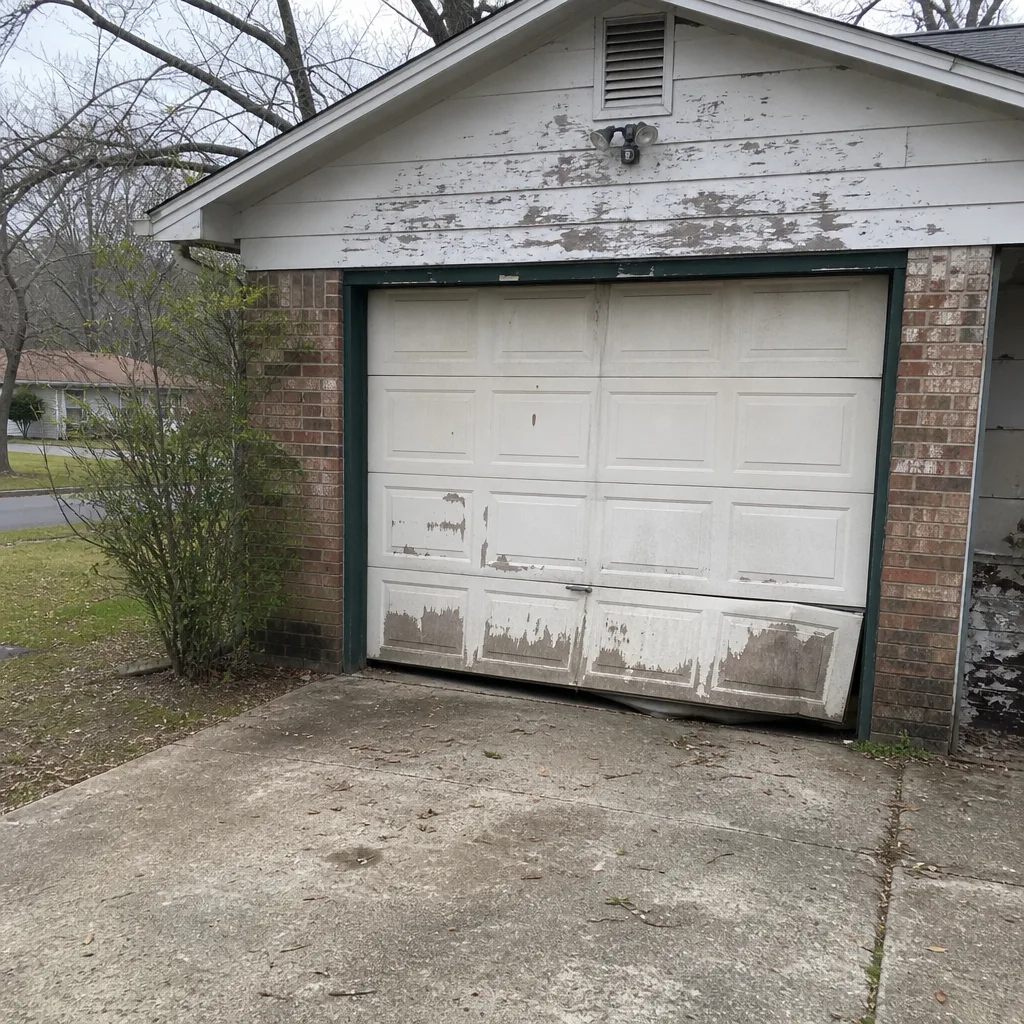 Before
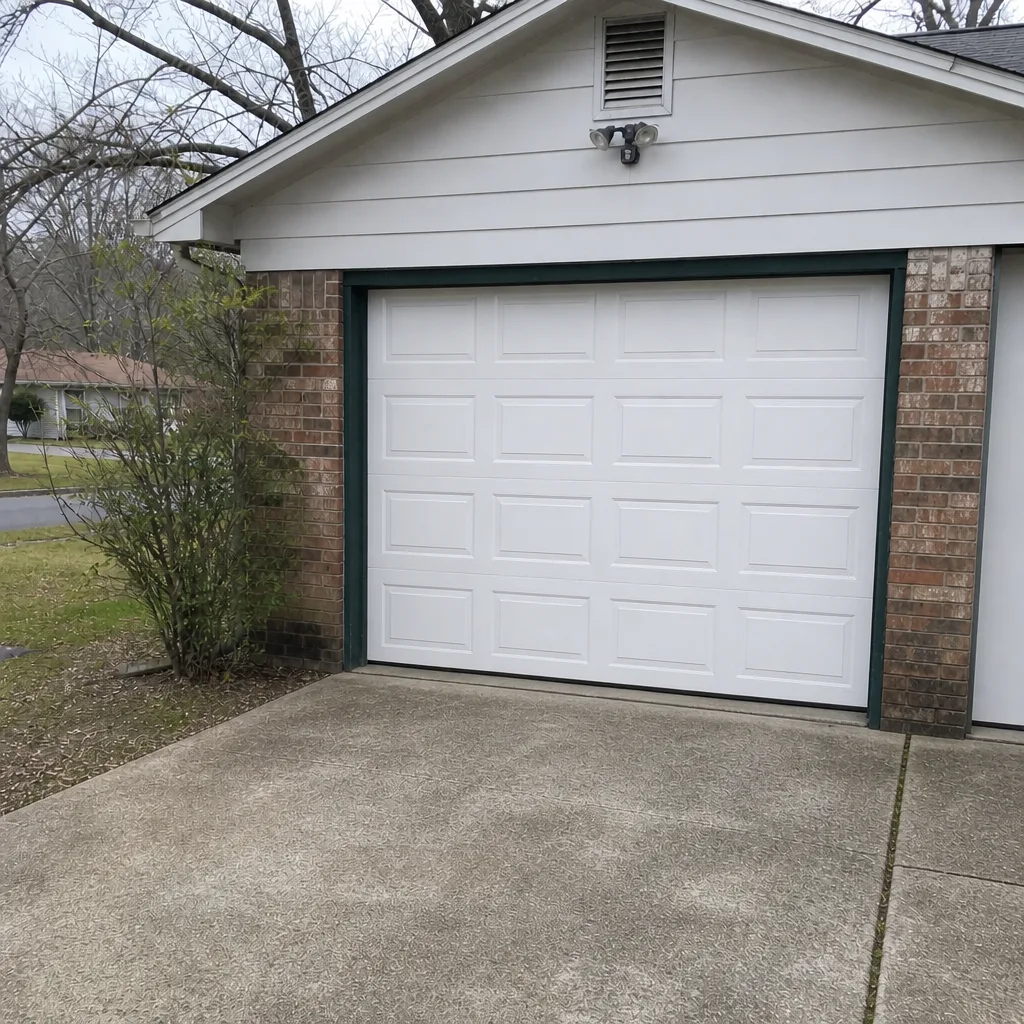 After
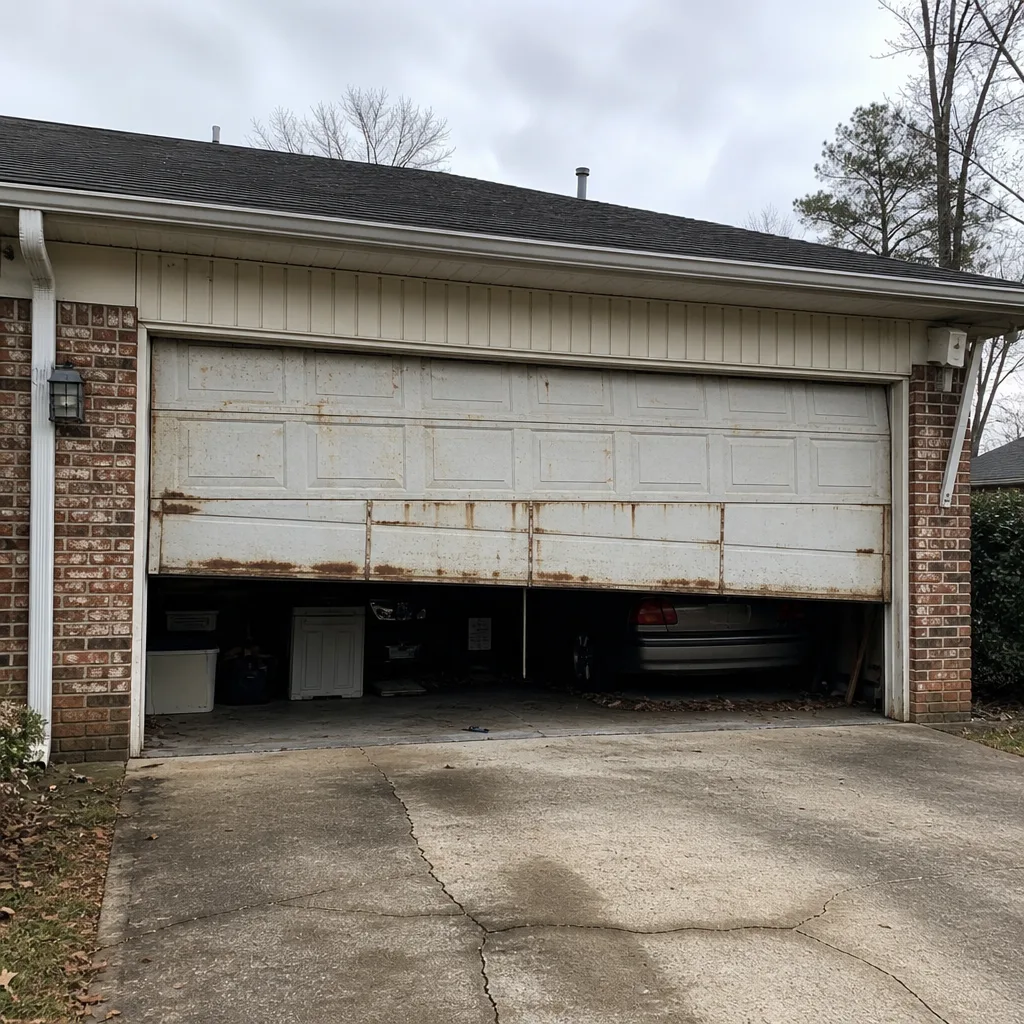 Before
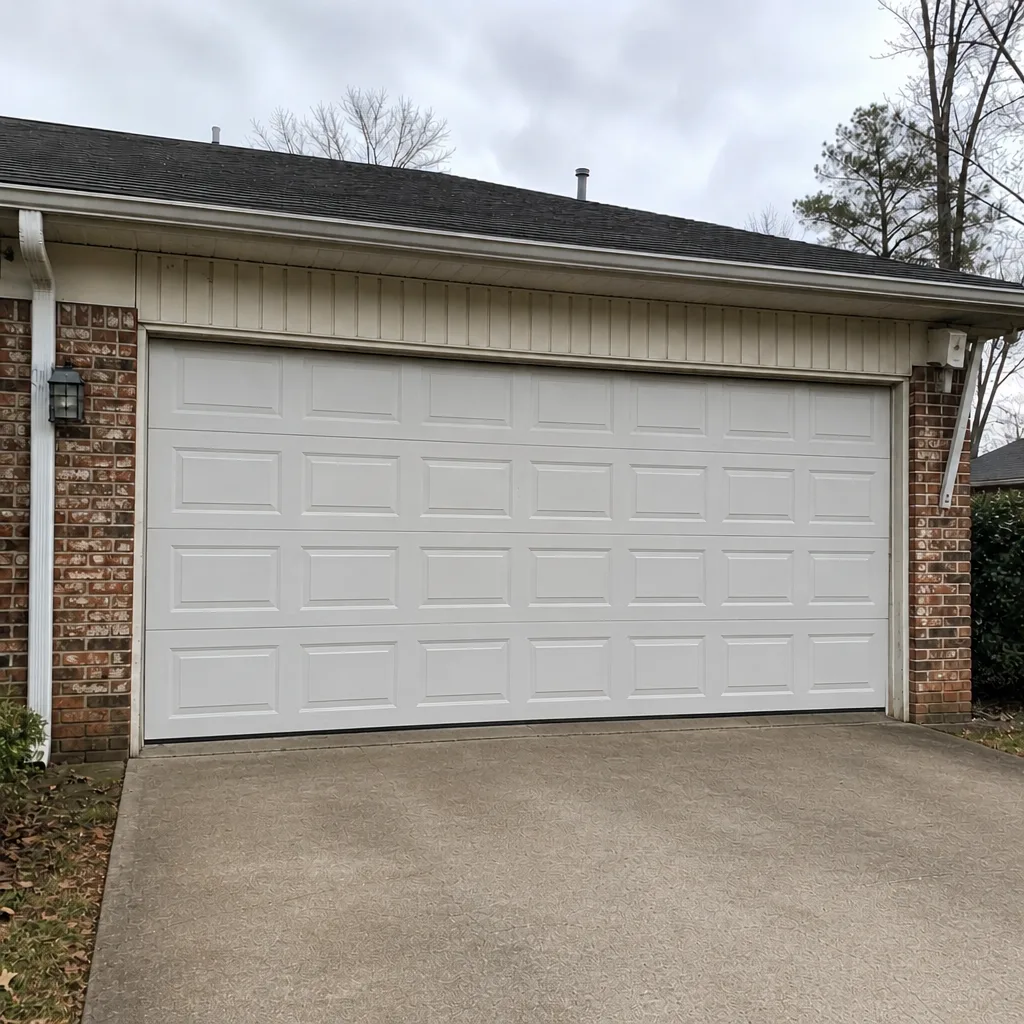 After
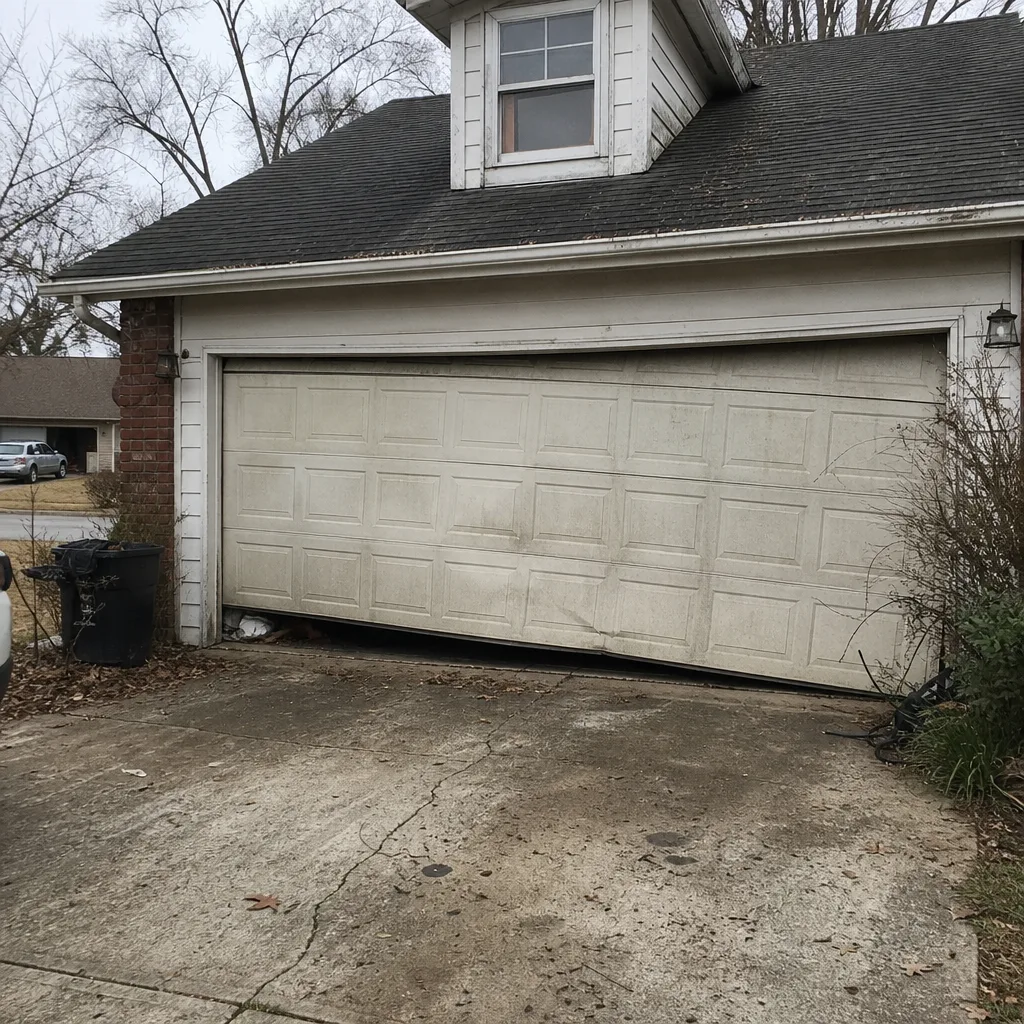 Before
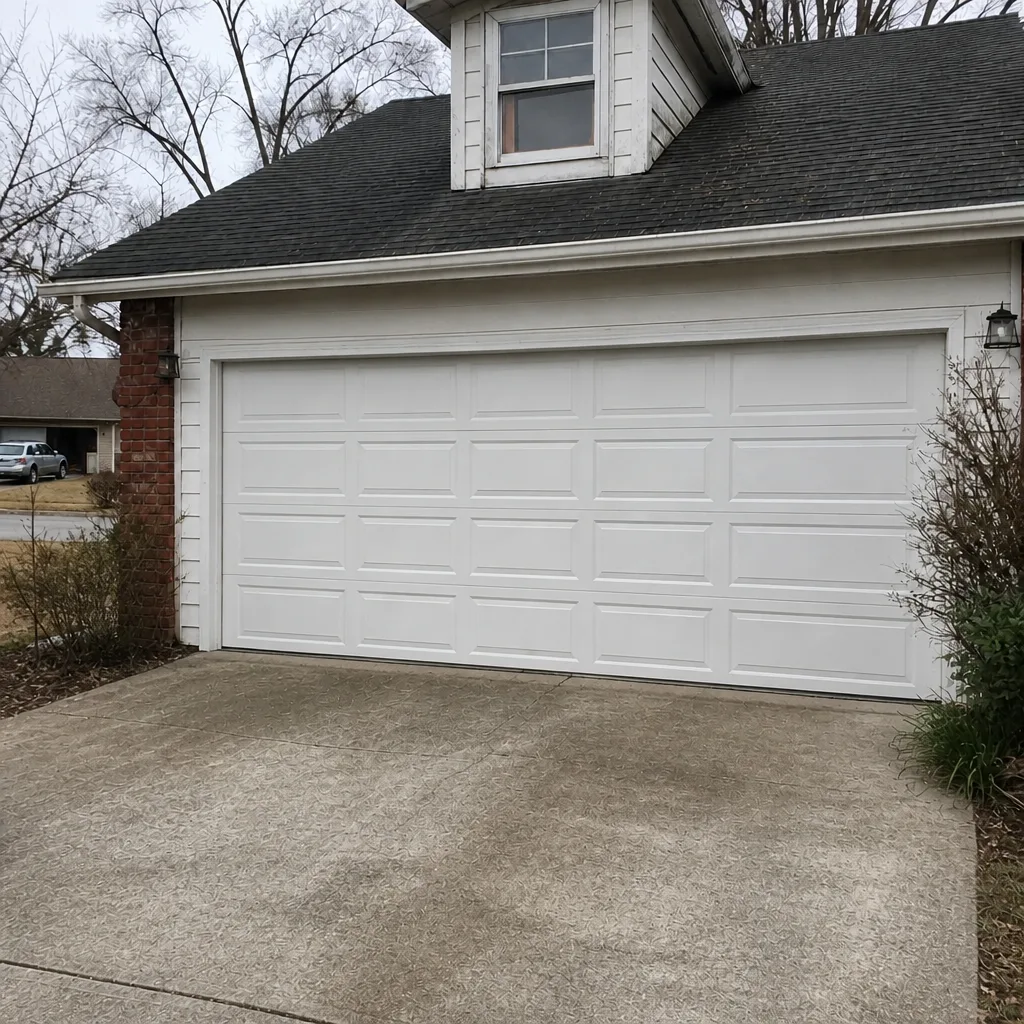 After
When to Call a Professional
Some seasonal care is a homeowner job: lubricating the moving parts, testing the safety reverse, checking the seal. Some of it isn’t. Call a professional if the door is out of balance (it won’t hold halfway when you lift it by hand), if a spring is broken or you see a gap in the coils, if the cables look frayed, or if the door won’t reverse on the obstruction test. Call if the door is binding in the tracks, if it’s grinding or making a new noise that won’t go away, or if the opener is reversing for no reason after you’ve verified the sensors. And call if a storm has left the door misaligned or the track bent – that’s not a job to fix with a pry bar.
One safety note that matters more than any seasonal tip: garage door springs and cables are under high tension and can cause serious injury if you try to adjust or replace them yourself. Leave spring and cable work to a trained technician. The same applies to any electrical work on the opener wiring. If in doubt, call.
Hawthorne Garage Door Repair offers free estimates in Huntsville – call (855) 632-2899. We answer 24/7. Fast dispatch from 7am to 7pm, Sunday through Friday. When you call, we’ll give you a written estimate and agree the price with you before any work starts.
Frequently Asked Questions
Twice a year is the right baseline in Huntsville: once in spring before the severe weather window, and once in fall before the freeze-thaw season. In between, do a five-minute monthly check on the safety reverse, the manual release, and the sensors. If the temperature swings hard in either direction, a third balance check is worth the time.
Yes, if your opener has a force or sensitivity setting that hasn’t been touched since installation. Huntsville’s temperature swings mean a setting that works in July may reverse for no reason in February. Verify the safety reverse monthly and adjust the force setting once a year within the manufacturer’s instructions. If you’re not sure how, a technician can do it quickly.
Clear the ice by hand with a plastic scraper before you use the opener – do not force it. Check the manual release first, then clear the track, then run one slow cycle and watch. The most common mistake is hitting the button and letting the opener push against a frozen door, which is how panels and tracks get damaged.
A south- or west-facing door in Huntsville takes direct UV through the long summer, which fades and cracks the panel finish faster than a shaded door. It also stays hotter, which puts more heat load on the opener. Inspect the paint and panel skin every summer, and consider a lighter door color or exterior-grade paint if the finish is chalky.
Yes. Opener repair is a separate service from door repair, and most opener problems are fixable without touching the door itself. If your garage door opener repair visit turns up a motor issue that isn’t worth fixing, we’ll tell you that honestly rather than push a replacement that doesn’t make sense.
We work on all eight major brands: LiftMaster, Chamberlain, Genie, Clopay, Amarr, Wayne Dalton, Craftsman, and Raynor. If you’re not sure which brand you have, a quick call will sort it out. Call (855) 632-2899 for a free estimate.
The Bottom Line
Huntsville garage door care isn’t built around four neat seasons. It’s built around volatility: a hard freeze that can arrive in January or March, a storm season that runs April and May, and a long hot summer that wears on both the door finish and the opener motor. The work that matters most is fall freeze-thaw prep (lubricate, test the balance, check the seal), spring storm prep (manual release, track integrity, safety reverse), and a monthly five-minute check the rest of the year. Add a seasonal sensitivity adjustment to your opener, and you’ll catch most problems before they turn into a repair. Our technicians have up to 12 years of experience and work across every major brand, so one call covers the door, the opener, and any replacement that makes sense.
If anything in this guide sounds like your door, don’t wait for the next cold snap. Call Hawthorne Garage Door Repair at (855) 632-2899 for a free estimate. We answer 24/7. Fast dispatch from 7am to 7pm, Sunday through Friday. Repair or replace, we’ll tell you which one actually makes sense, and the written estimate sets the price before any work starts.
Written by the team at Hawthorne Garage Door Repair.